






The Spiritual Heartland: Temples of Bhubaneswar and Puri
Any cultural exploration of Odisha begins with its magnificent temples. Your journey will likely start in Bhubaneswar, the 'Temple City of India', home to hundreds of shrines. Key among them is the 11th-century Lingaraj Temple, a stunning example of Kalinga
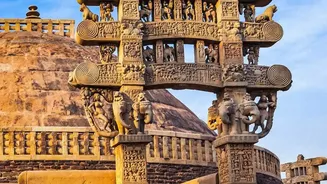
architecture dedicated to Lord Shiva. While entry to the main sanctum is often restricted, the grandeur of its 180-foot-tall main tower and surrounding complex is a sight to behold. Other architectural gems include the Mukteswara Temple, known for its ornate stone archway, and the Rajarani Temple, with its detailed sculptural work. The tour then typically proceeds to Puri, one of India's holiest cities and home to the world-renowned Jagannath Temple. This colossal 12th-century temple is a focal point for devotees and a marvel of scale and spiritual energy.
Raghurajpur: A Village Painted with Stories
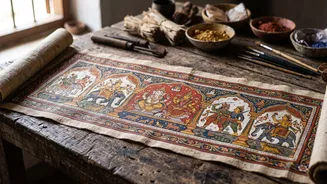
A short drive from Puri lies Raghurajpur, a village unlike any other. Recognized as a heritage crafts village, every household here is a studio and every resident an artist. The walls of the homes are canvases, adorned with colourful murals depicting mythological scenes. Raghurajpur is the heartland of Pattachitra, a traditional form of cloth-based scroll painting that dates back centuries. As you walk through its two main streets, you’ll see artists meticulously painting on treated cloth, etching intricate designs onto palm leaves (Tala Pattachitra), and crafting colourful papier-mâché toys and masks. The village is a living museum, offering a rare opportunity to see ancient art forms being practised in their traditional environment.
Pipili: The Canvas of Appliqué
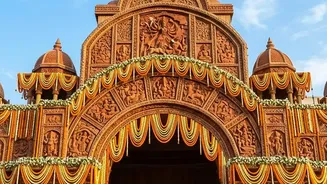
Situated on the highway between Bhubaneswar and Puri, the town of Pipili is a riot of colour. It is the centre for 'Chandua', or appliqué work, a craft that originated to supply canopies and banners for the Jagannath Temple's annual Rath Yatra. Today, the artisans of Pipili apply their skills to a wide range of products. The main street is lined with shops showcasing everything from large decorative umbrellas and lampshades to handbags, wall hangings, and cushion covers, all featuring the distinctive, brightly coloured patched fabric designs. This craft involves stitching pieces of coloured fabric onto a base cloth to create vibrant patterns, often of animals, flowers, and deities. A stop in Pipili provides a visually stunning contrast to the fine lines of Pattachitra and is a perfect place to find unique souvenirs.
Hands-On with the Masters: The Workshop Experience
The most memorable part of this tour for many is the chance to participate in a craft workshop. In villages like Raghurajpur, many artists welcome visitors into their homes for hands-on sessions. Under the guidance of a master artisan, you can learn the basics of Pattachitra painting, from preparing the canvas to using natural colours derived from stones and vegetables. These workshops are beginner-friendly and require no prior experience. You get to create your own small piece of art to take home, providing not just a souvenir, but a deep connection to the tradition. It’s a unique opportunity to sit with award-winning artists, understand their creative process, and directly support the preservation of their heritage.
Planning Your Cultural Immersion
To make the most of your five-day tour, a little planning goes a long way. The best time to visit Odisha for cultural travel is between October and March, when the weather is cool and pleasant for exploring temples and villages. Tour operators in Bhubaneswar and Puri offer packages that cover the key temple and craft sites, often including transportation and guides. When visiting temples, dress modestly and be aware that some, like the Jagannath and Lingaraj temples, have restrictions on entry for non-Hindus. In the craft villages, always be respectful when entering homes and workshops. Buying directly from the artisans is encouraged, as it ensures they receive the full benefit of their masterful work.