








The Usual Suspects: Why Roads Suddenly Close
Weekend road closures in major Indian cities are often a perfect storm of planned and unplanned events. Religious processions and festivals frequently lead to significant diversions, as seen recently in Delhi for Muharram, where major arteries were restricted
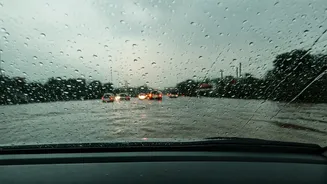
for most of the day. Similarly, city-wide celebrations like Kempegowda Jayanti in Bengaluru can shut down key roads for hours to accommodate large gatherings. On top of cultural events, there is the relentless pace of infrastructure development. Metro construction is a primary cause of long-term closures, such as service road shutdowns on Bengaluru's Outer Ring Road. Sometimes, even the inauguration of new infrastructure, like a section of the Mumbai-Pune Expressway, can ironically cause massive gridlock due to the event itself. And in seasons like the monsoon, heavy rains can lead to sudden waterlogging and flooding, forcing authorities to close roads like the Andheri subway in Mumbai for safety.
Your Pre-Travel Intelligence Briefing
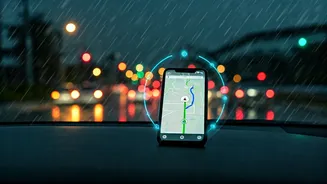
The best way to handle a road closure is to know about it before you even start your car. Fortunately, staying informed is easier than ever. The first port of call should be the official social media accounts and websites of local traffic police. Departments in cities like Delhi and Mumbai regularly post detailed advisories about upcoming closures and diversions. These updates provide specific timings and alternative routes. Navigation apps are your next best friend. Google Maps and Waze are indispensable tools, offering real-time traffic data that often reflects closures, accidents, and congestion. Google Maps even partners with traffic authorities in many Indian cities to integrate official information and has started rolling out proactive alerts for major disruptions on highways in cities like New Delhi, Mumbai, and Bangalore. Checking local news portals before you head out is also a wise move, as they often report on significant traffic changes.
On-the-Go Smarts: Navigating the Chaos
Even with the best planning, you might find yourself face-to-face with a barricade. The first rule is to stay calm and avoid aggressive driving, which rarely helps and increases the risk of accidents. When you hit an unexpected diversion, your GPS app should reroute you automatically, but it's also wise to observe the general flow of traffic. Often, local commuters will know the most efficient unofficial detours. However, be cautious before blindly following the crowd down a narrow side street, as this can sometimes lead to an even bigger jam. If you're on a long road trip, consider timing your breaks strategically. If you hit peak-hour traffic, sometimes pulling over for a meal and waiting for the congestion to ease is a more productive use of your time than idling in a jam.
Rethinking Your Ride: Is a Car Always Best?
Frequent road closures are a strong argument for exploring alternative modes of transport. In cities with robust public transit systems, the metro or local trains can be a much faster and less stressful way to travel, completely bypassing surface-level traffic. For shorter distances, ride-sharing services like Uber or Ola can be a good middle ground. They can help you avoid the personal frustration of driving in a jam and the hassle of finding parking, which is often restricted during major events. For some weekend plans, the smartest move might be to change the plan itself. If you know major closures are scheduled for a part of the city, consider exploring a different neighbourhood or planning an activity closer to home. Acknowledging the reality of urban traffic and adapting your plans accordingly can be the ultimate stress-saver.