





As winter settles across India, the skyline often turns a hazy grey. This outdoor smog inevitably seeks its way indoors, but your apartment can be a clean air sanctuary. Here’s how to fortify your home against pollution infiltration.
First, Find the Entry Points
Smog is an unwelcome
guest that doesn't need an invitation; it slips in through the smallest of openings. Before you can block it, you need to know where it's coming from. The most common culprits in Indian apartments are the gaps around window frames, the space under doors leading to balconies or corridors, and vents for exhaust fans in kitchens and bathrooms. Even older air conditioner units that are not perfectly sealed can be a source of leakage. Spend some time inspecting these areas. On a windy day, you might even feel a slight draft, which is a sure sign that polluted air is getting in. Identifying these weak points is the critical first step in creating a barrier against outdoor pollution.
Seal the Gaps for a High-Impact Fix
Sealing air leaks is the most cost-effective action you can take. For gaps around window frames, affordable and easy-to-install foam weatherstripping tape can create a tight seal. It's a simple DIY task that requires just a few minutes per window. For the space under your doors, consider installing a door sweep or a brush seal. These are readily available and prevent drafts and dust from entering. If you notice cracks in the wall around window or AC unit installations, applying a simple caulk can close them off permanently. Sealing your home is the foundation of good indoor air quality; without it, any other measure will be less effective as you'll be fighting a constant influx of outdoor pollutants.
Invest in the Right Air Purifier
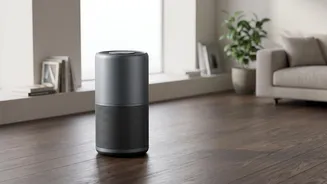
An air purifier is a powerful tool, but only if you choose and use it correctly. Look for a model with a High-Efficiency Particulate Air (HEPA) filter, which is certified to capture 99.97% of particles as small as 0.3 microns, including the dangerous PM2.5 particles that define winter smog. Pay close attention to the Clean Air Delivery Rate (CADR), which tells you how much clean air the unit produces. Match the CADR to your room size for effective cleaning. For best results, run the purifier in the room you use most—typically the bedroom—with the doors and windows closed. Remember that filters need regular maintenance; in heavily polluted Indian cities, a HEPA filter may need replacement every 4-6 months, much sooner than manufacturers often suggest.
Ventilate, But Do It Smartly
While sealing your home is crucial, you still need to let fresh air in to reduce the buildup of indoor pollutants and carbon dioxide. The key is timing. During peak smog season, outdoor air quality is often at its worst in the early morning and late evening. Monitor the Air Quality Index (AQI) for your area. Typically, the safest time to briefly open windows for cross-ventilation is during the mid_afternoon, when sunlight and warmth can help disperse some of the pollutants. On days when the AQI is in the 'Severe' category, it is best to keep everything shut and rely on your air purifier.
Manage Kitchen and Bathroom Vents
Exhaust fans in your kitchen and bathroom are designed to pull air out, but this can create negative pressure that draws polluted outdoor air in from other gaps in your home. When cooking, always use your chimney or exhaust fan to vent fumes, but be mindful that it can affect indoor pressure. Some modern ventilation systems offer filtered fresh air intake, but for most apartments, the solution is simpler. Avoid using exhaust fans for extended periods when not necessary. When they are off, ensure the external vents have flaps that close properly to prevent them from becoming an open gateway for smog.
A Realistic Take on Indoor Plants
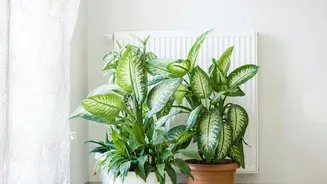
Indoor plants can make a space feel fresher and have been shown to have positive effects on mood and stress. While some famous studies, including one from NASA, showed plants can remove certain toxins from the air in sealed chambers, their realworld impact on PM2.5 in a home is minimal. It would take an enormous number of plants—some researchers estimate 10 to 1,000 plants per square meter—to match the aircleaning capacity of an open window or a good air purifier. So, while you should absolutely enjoy having plants like Spider Plants or Peace Lilies, do not rely on them as your primary defence against heavy smog. Think of them as a natural supplement, not a substitute for sealing and filtration.