






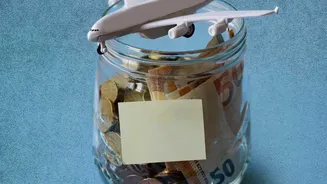
The Core Rule: Understanding the LRS Limit
Before you even think about currencies, you need to know about the Liberalised Remittance Scheme (LRS). Governed by the Reserve Bank of India (RBI), the LRS sets the total amount of foreign currency a resident Indian can spend or send abroad in a financial
year (April 1 to March 31). The current LRS limit is USD 2,50,000 per person. This is a combined limit for all your foreign exchange needs, including travel, education, medical treatment, and investments. So, if you've already sent money abroad for other purposes during the year, your travel forex budget will be drawn from the remaining balance. For most travellers, this annual limit is more than enough, but it’s the foundational rule for all forex transactions.
Your Forex Options: A Mix is Best
You have several ways to carry foreign currency, and a smart traveller uses a combination of them. The most popular options are forex cards, cash, and international credit or debit cards.
Forex Cards: These are prepaid travel cards that you can load with one or more foreign currencies before you leave India. They are highly recommended because they are secure, allow you to lock in an exchange rate, and help you avoid the high markup fees that often come with credit cards. If lost or stolen, the card can be blocked and the balance is protected.
Cash: Carrying some local currency is essential for small expenses like taxi rides, street food, and tips where cards may not be accepted. However, it's risky to carry large amounts of cash.
Credit/Debit Cards: While convenient and widely accepted, using your regular Indian credit or debit card abroad usually attracts a foreign currency markup fee of 2-3% on every transaction. Some premium cards waive this fee, but it's important to check with your bank first. They are best kept as a reliable backup.
Navigating the Cash Rules
The RBI has specific limits on how much physical cash you can carry. For most international trips, you can carry foreign currency notes equivalent to a maximum of USD 3,000. Any amount beyond this must be carried in other forms, like a forex card or traveller's cheques. It's also important to know that you can only purchase foreign exchange using Indian cash up to a limit of ₹50,000 per transaction. For larger amounts, the payment must be made through banking channels like a cheque or online transfer. When you return to India, you are required to surrender any unspent foreign currency notes above USD 2,000 within a specified time.
Where and When to Buy Your Forex
Planning ahead can save you a significant amount of money. The worst place to exchange currency is usually at the airport, where exchange counters charge very high rates and fees. The best rates are typically offered by RBI-authorised dealers, which include major banks and licensed money changers. You can buy your forex up to 60 days before your departure date. This gives you a window to monitor exchange rates and make your purchase when the rate seems favorable, rather than being forced to accept whatever rate is available on the day before your flight.
The 'DCC' Trap: Always Pay in Local Currency
When using your card abroad at a shop or an ATM, you may be presented with a choice: pay in your home currency (INR) or the local currency (e.g., USD, Euros, Baht). This is called Dynamic Currency Conversion (DCC). It might seem convenient to see the transaction amount in rupees, but you should always decline this option. When you choose to pay in INR, the merchant or their bank applies their own exchange rate, which is almost always worse than the rate your own bank or card network would give you. This hidden markup can add a significant extra cost to your purchase. The golden rule is simple: always choose to be charged in the local currency of the country you are in.