


Embarking on your first solo journey is an exhilarating rite of passage, promising freedom and self-discovery. But with that excitement can come a hint of nervousness. Smart preparation is the key to transforming anxiety into confidence.
1. Your Pre-Trip Research is Your First Line of Defence
Confidence as
a solo traveller begins long before you board the plane. It starts with thorough research. Understanding your destination's culture, customs, and current events is paramount. Look into local etiquette, especially regarding dress codes, to ensure you can move through your new environment respectfully and without drawing unwanted attention. Identify which neighbourhoods are considered safe and which to avoid, particularly after dark. A simple but effective trick is to map out your hotel, key attractions, and the local embassy or consulate before you arrive. Knowing the local emergency number is also a non-negotiable. This groundwork does more than just inform you; it equips you with the confidence to walk with purpose, which is a powerful deterrent against being seen as an easy target.
2. Share Your Itinerary, But Not with the World
While you're travelling alone, you should never be completely off the grid. It's crucial to share your travel plans with a trusted friend or family member back home. This should include flight details, accommodation addresses and contact numbers, and a general outline of your daily plans. Set up a schedule for regular check-ins, even if it's just a quick daily message to say you're okay. Many travellers use location-sharing apps with a small, private group for added peace of mind. However, be mindful of what you share publicly. Avoid posting your exact location or travel plans in real-time on social media. Announcing to the world that you are alone in a foreign place can make you vulnerable. Wait until you've left a location to post those amazing photos.
3. Secure Your Sanctuary and Your Valuables
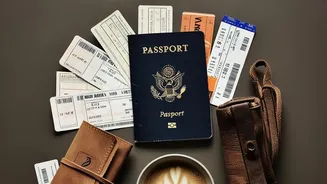
Your accommodation is your safe haven, so choose it wisely. Opt for hotels, hostels, or guesthouses with good, recent reviews from other solo travellers. Features like a 24-hour reception, secure locks, and a safe location are worth paying extra for. When you're in your room, always use the main lock and any additional security chains or latches provided. When you're out, secure your most important items. Don't carry all your cash and cards in one place. Keep a primary wallet, but stash an emergency credit card and some cash separately in your luggage or a hidden pocket. It’s also wise to have digital and physical copies of your passport, visa, and travel insurance, stored separately from the originals. A simple padlock for your luggage or a locker in a hostel can deter opportunistic theft.
4. Master the Art of Blending In
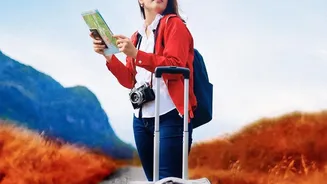
Looking like a tourist can unfortunately make you a target for scams or theft. The goal isn't to pretend you're a local, but to avoid standing out. Pay attention to how local people dress and aim for a similar level of modesty or style. Muted colours are often a better choice than flashy, expensive-looking clothing or jewellery. Beyond your appearance, your body language matters. Walk with confidence and purpose, even if you’re just exploring. Avoid walking with your head buried in a map or phone, as this signals distraction and vulnerability. If you need to check directions, step into a shop or cafe to do so discreetly. Being aware of your surroundings at all times is your most valuable tool.
5. Your Intuition Is Your Ultimate Guide
This might be the most important rule of all: always trust your gut. Your intuition is a powerful internal safety compass, developed over a lifetime of subconscious observations. If a person, a place, or a situation feels wrong, it probably is. Don't dismiss that feeling for the sake of being polite or sticking to a pre-planned itinerary. Your safety is more important than anyone else's opinion or your own schedule. Give yourself permission to leave a situation immediately if you feel uncomfortable. This could mean walking out of a bar, refusing a taxi that doesn’t feel right, or changing your route. Having an 'exit strategy' in mind, whether you're meeting someone new or just navigating a crowded market, empowers you to stay in control.