




The Deluge by the Numbers
The first week of July 2026 has been anything but ordinary for Mumbai. According to data from the India Meteorological Department (IMD), the city received an unprecedented amount of rainfall, with some observatories recording nearly the entire month's
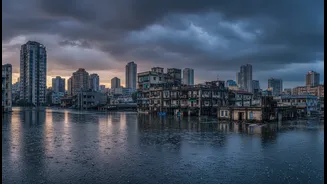
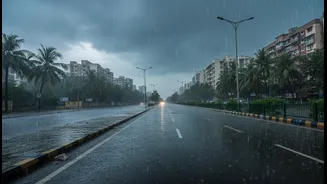
average in just the first seven days. The Santacruz station, for instance, recorded 988.4 mm in the first week, surpassing its monthly average of 919 mm. Similarly, the Colaba observatory logged 880.4 mm against a monthly normal of 768 mm. This wasn't just a steady drizzle; it was a series of intense, concentrated spells. On some days, parts of the city received over 200 mm of rain in a 24-hour period, a category defined by the IMD as "extremely heavy" rainfall. This intense burst, receiving more than 60% of the average seasonal rainfall by July 6, highlights a worrying trend: the monsoon isn't just arriving, it's arriving in furious, hard-to-manage bursts.
Why Your Street Becomes a River
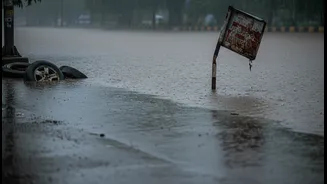
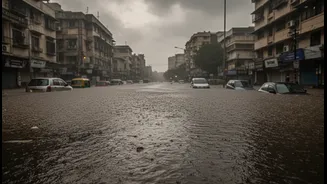
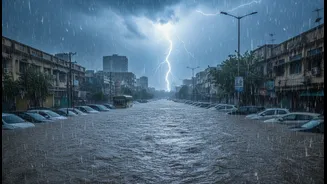
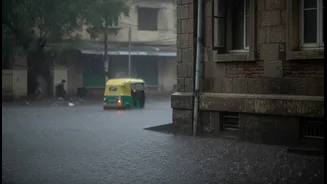
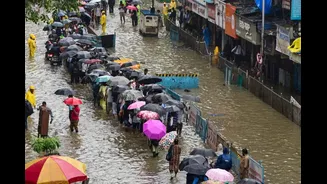
The record-breaking rainfall data directly translates to the familiar chaos on the ground. When hundreds of millimeters of rain fall in just a few hours, the city's infrastructure is pushed to its breaking point. Despite pre-monsoon preparations, including the deployment of hundreds of dewatering pumps and claims of over 100% desilting in some areas, many low-lying neighbourhoods were quickly inundated. The sheer volume of water overwhelms the stormwater drainage systems, which were designed for less intense, more evenly distributed rainfall. This leads to severe waterlogging in areas like Kurla, Andheri, Vasai, and Nalasopara. The situation is compounded by ongoing civic works and a high number of yet-to-be-secured manholes, which pose a significant safety risk during floods. Even as rains eased towards the end of the week, persistent waterlogging remained in several areas, showing how saturated ground and choked drains struggle to recover.
The Commuter's Nightmare, Quantified
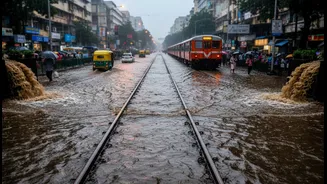
For the millions who rely on Mumbai's public transport, the intense rain spells meant a complete breakdown of their daily routine. The Western and Central Railway networks, the city's lifelines, were severely affected. Waterlogging on tracks, particularly in the Vasai-Virar section, forced the cancellation of dozens of trains and caused delays of 25-30 minutes for those still running. On July 7 and 8, hundreds of commuters were left stranded, with some resorting to walking along flooded railway tracks or paying exorbitant prices for tractor rides to navigate submerged streets. The disruption wasn't limited to trains. Heavy rains and low visibility led to flight diversions at the airport, while waterlogged roads created massive traffic snarls, turning routine commutes into hours-long ordeals. The data shows that it doesn't take days of rain to cripple the city's transport; a few hours of extreme intensity are enough to bring it to a standstill.
The Renter's Monsoon Battle
Beyond the public spaces, the monsoon exposes the vulnerability of Mumbai's housing, especially for its large population of renters. For those living in the city's thousands of old, crumbling 'chawls' or 'pagadi' system buildings, the rains are a time of immense stress. Leaking roofs, damp walls, and the constant fear of a structural collapse become a seasonal reality. Many of these buildings, classified as dilapidated and dangerous, remain occupied because tenants cannot afford the sky-high rents in safer buildings and fear losing their tenancy rights if they move. The monsoon brings a battle for survival fought with plastic sheets covering leaky ceilings, buckets collecting dripping water, and tense negotiations with landlords over urgent repairs. This quiet, domestic struggle is a critical part of Mumbai's monsoon story, showcasing a different kind of resilience—one born out of necessity in the face of a housing crisis exacerbated by extreme weather.