




Kapil Dev: The Man Who Taught India to Win
Before 1983, India was a respectable but often underestimated cricketing nation. Kapil Dev changed that. As a world-class all-rounder—a genuine fast bowler and an aggressive lower-order batsman—he was a rarity. But his most significant contribution was as a leader.
Leading a team of underdogs, he lifted the 1983 World Cup at Lord's, defeating the seemingly invincible West Indies. That single victory ignited a revolution. It infused a billion people with self-belief and made cricket the nation's passion. Kapil’s fearless, attacking style of play was decades ahead of its time, foreshadowing the explosive nature of modern limited-overs cricket. He proved an Indian could bowl fast, bat with power, and conquer the world.
Sachin Tendulkar: The God of a Billion Dreams
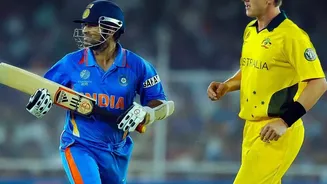
No single player has had a more profound cultural and economic impact on cricket than Sachin Tendulkar. For 24 years, he was not just a cricketer but a symbol of hope and excellence. When he batted, the nation stopped. His technical perfection, longevity, and consistency set a new global standard for batsmanship. He was the first man to score a double century in ODIs and the only player to score 100 international hundreds. Beyond the records, Tendulkar's career coincided with India's economic liberalization, and he became cricket's first global superstar, driving unprecedented broadcast and sponsorship revenues that turned the BCCI into a financial powerhouse. He inspired a generation of cricketers, including his successors, who grew up wanting to bat like Sachin.
Sourav Ganguly: The Prince Who Forged a New Attitude
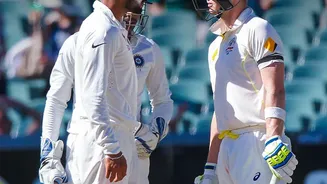
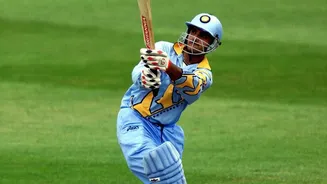
Sourav Ganguly took over the captaincy in 2000 when Indian cricket was mired in the match-fixing scandal. He inherited a talented but timid team, often called 'tigers at home, lambs abroad'. 'Dada' transformed them into a fierce, aggressive unit that wasn't afraid to look the opposition in the eye. He famously took off his shirt on the Lord's balcony in 2002, a symbolic act of this new, defiant India. Ganguly’s greatest legacy was his faith in young talent. He unearthed and backed match-winners like Virender Sehwag, Yuvraj Singh, Harbhajan Singh, and MS Dhoni, giving them the long rope they needed to succeed. Under his leadership, India started winning Test matches abroad consistently, laying the foundation for the dominant force it would become.
MS Dhoni: Captain Cool and the Master Finisher
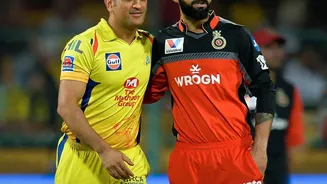
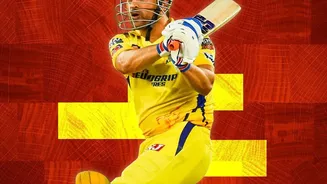
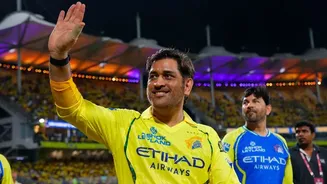
If Ganguly built the engine, MS Dhoni was the unflappable driver who took it to every possible destination. As a leader, his calmness under extreme pressure was revolutionary. He led India to victory in the inaugural 2007 T20 World Cup, the 2011 ODI World Cup, and the 2013 Champions Trophy, making him the only captain to win all three major ICC tournaments. As a player, he redefined the role of a wicketkeeper-batsman with his brute force and unorthodox technique. More importantly, he perfected the art of the 'finish', masterminding countless run-chases from seemingly impossible positions with a cool head and explosive power. His tactical genius, especially in white-ball cricket, and his 'helicopter shot' have become part of cricketing folklore.
Virat Kohli: The Architect of Modern Fitness
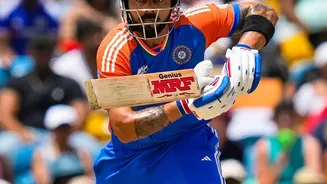
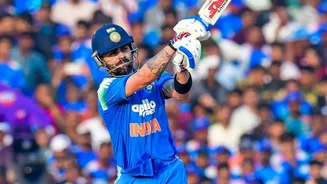
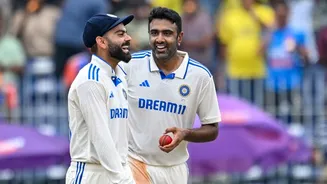
While his staggering run-scoring records place him among the all-time greats, Virat Kohli’s most transformative contribution has been the fitness revolution he spearheaded. After realizing in 2012 that skill alone wasn't enough, Kohli dedicated himself to becoming one of the fittest athletes in the world, embracing a rigorous training and diet regimen. As captain, he made elite fitness non-negotiable, introducing standards like the 'yo-yo test' that elevated the entire team's physical and on-field performance. This new, athletic Indian side could compete with relentless intensity in all conditions, especially in fast-bowling-friendly SENA countries. Kohli proved that a fit body enables a clear mind, allowing for better execution under pressure and setting a new professional benchmark for every Indian cricketer to follow.