
MS Dhoni: The Ticket Collector
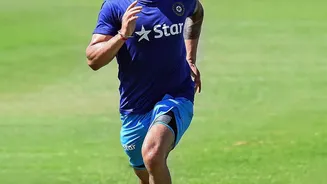
Before he was 'Captain Cool', Mahendra Singh Dhoni was a Travelling Ticket Examiner (TTE) at Kharagpur railway station in West Bengal. Between 2001 and 2003, the future World Cup-winning captain was checking tickets to make a living. The railway job was secured
through a sports quota, a move by a cricket-loving Divisional Railway Manager who wanted a good player for the South Eastern Railways team. For a few years, Dhoni balanced his duties on the trains with his passion for the game, playing local tennis-ball tournaments to keep his skills sharp. The demanding job and the frustration of not breaking through almost derailed his dream, but a call-up to the India A side in 2003 was the turning point that allowed him to leave the railways behind and focus solely on a career that would change Indian cricket forever.
Yuzvendra Chahal: The Chess Prodigy
Long before he was bamboozling batsmen with leg-spin, Yuzvendra Chahal was outwitting opponents on a 64-square board. He is the only Indian to have represented the country in both cricket and chess. As a junior, Chahal was a serious chess talent, even winning the National Under-12 Championship in 2002. He represented India at the World Youth Chess Championship, competing against players who would go on to become Grandmasters. However, the path of a professional chess player required significant financial backing, and when Chahal struggled to find a sponsor, he was forced to pivot. He has often said that the strategic thinking, patience, and ability to stay calm under pressure he learned from chess have been invaluable to his bowling.
Nathan Lyon: The Groundsman
Nathan Lyon’s journey is perhaps the most cinematic. He wasn't a teenage prodigy fast-tracked through academies; he was a groundsman preparing pitches at the Adelaide Oval. Having moved from Canberra to pursue his horticulture apprenticeship and play grade cricket, Lyon's big break came by pure chance. During a training session for the South Australia state team, then-coach Darren Berry was told by a player that the 'kid on the roller' was a decent off-spinner. Intrigued, Berry called Lyon over to bowl in the nets. His talent was immediately obvious. Within months, he went from curating the pitch to taking wickets on it for his state, and in 2011, after just a handful of first-class matches, he made a stunning Test debut for Australia, taking the prized wicket of Kumar Sangakkara with his very first ball.
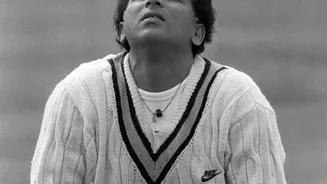
Anil Kumble: The Mechanical Engineer
While many cricketers focus solely on the sport from a young age, Anil Kumble balanced his passion with rigorous academics. India's all-time leading wicket-taker in international cricket is a qualified Mechanical Engineer, having graduated from RV College of Engineering in Bengaluru in 1992. Unlike many others on this list, Kumble was already making his mark in cricket while completing his degree, having made his international debut in 1990. However, he has always stressed the importance of his education, stating that the engineering degree gave him a secure fallback option and that the analytical mindset it fostered helped him on the field. His cerebral, meticulous approach to plotting a batsman's downfall was often likened to that of an engineer solving a complex problem, turning his perceived limitation of not being a big spinner of the ball into his greatest weapon.
Mitchell Johnson: The Van Driver
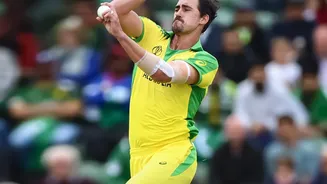
Before he was one of the most fearsome left-arm fast bowlers of his generation, terrorising batsmen with sheer pace and aggression, Mitchell Johnson had a far more routine job. As a young man, he worked as a plumbing supply delivery driver. The image of the fiery Aussie quick driving a truck is a stark contrast to the athletic powerhouse who would go on to take over 300 Test wickets. This period of his life represents the struggle and uncertainty many aspiring athletes face before they make their mark. His journey from driving a van to spearheading Australia's attack is a powerful testament to perseverance and the raw talent that was waiting to be unleashed on the world stage.