




From Guesswork to Smart Scans
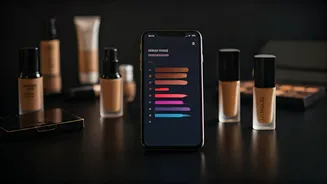
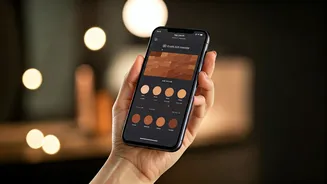
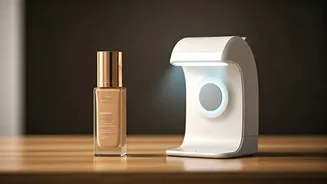
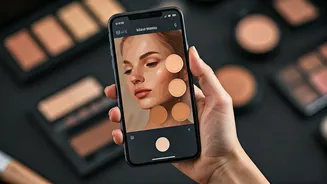
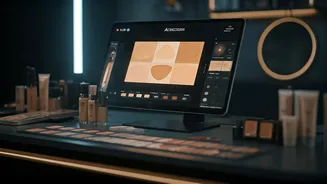
At its core, AI shade matching uses your smartphone’s camera and sophisticated algorithms to analyse your skin. Instead of relying on quizzes where you guess your undertone, these tools capture images of your face to identify its unique colour signature.
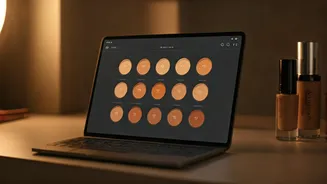
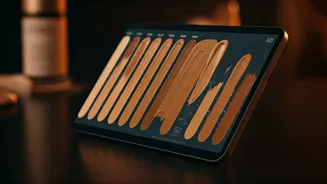
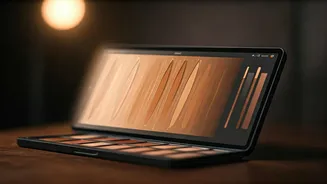
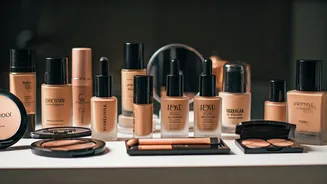
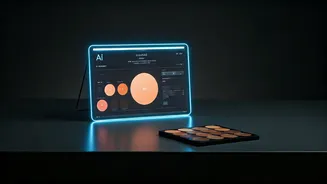
The technology processes thousands of data points, analysing your skin tone, undertones (the subtle cool, warm, or neutral hues beneath the surface), and even texture to recommend a foundation shade from a brand's database. Major players like L'Oréal, Estée Lauder, and Sephora have integrated these tools, allowing you to get a personalised match in seconds, often with a virtual try-on feature using augmented reality (AR).
A Perfect Storm of Tech and Timing
So, why is this technology booming now? It’s a convergence of several factors. Firstly, smartphone cameras are more advanced than ever, capable of capturing the high-quality images the AI needs. Secondly, the global shift towards e-commerce, accelerated by the pandemic, created a desperate need for a reliable way to buy foundation online without trying it in person. Finally, there's the cultural push for inclusivity. The industry has been forced to reckon with its historical failure to cater to a diverse range of skin tones, a conversation largely amplified by the launch of Fenty Beauty's extensive shade range. AI presents a powerful tool to address this, promising a more precise and inclusive approach than ever before.
The Promise of a More Inclusive Makeup Bag
The single biggest benefit of AI shade matching is its potential to democratise beauty. For years, shoppers with deeper skin tones or less common undertones—prevalent across India—have been underserved by limited shade ranges. AI algorithms, when trained on vast and diverse datasets, can detect nuances that the human eye might miss under harsh store lighting. This technology can identify gaps in a brand's product line, providing data-driven evidence of which shades are in demand but unavailable. For consumers, it means a higher chance of finding a true match, leading to less money wasted on wrong products and a greater sense of being seen by the industry.
Not a Flawless System… Yet
Despite its promise, the technology isn't perfect. The biggest variable is lighting. A scan taken in a dimly lit room versus one in natural daylight can yield completely different results. The quality of your phone's camera also plays a significant role. Furthermore, there's the risk of algorithmic bias. If an AI is trained on a dataset that isn't sufficiently diverse, its recommendations may be less accurate for underrepresented skin tones. While many users report high satisfaction, others remain frustrated by inaccurate matches, proving that human expertise from makeup artists isn't obsolete just yet.
The Future of Hyper-Personalised Beauty
AI shade matching is just the beginning. The same technology is already being applied to concealers, blushes, and even lipstick recommendations. Beyond makeup, companies are using AI for personalised skincare routines, analysing selfies to detect issues like dryness or acne and suggesting specific products. The long-term vision is a future of hyper-personalisation, where everything from your moisturiser to your makeup is tailored to your unique skin data, lifestyle, and even environmental factors like pollution. Some experts predict the rise of smart mirrors and voice-activated beauty advisors that will make this level of customisation a daily reality.