








From Medical Necessity to Wellness Accessory
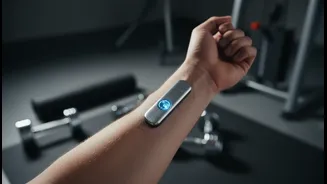
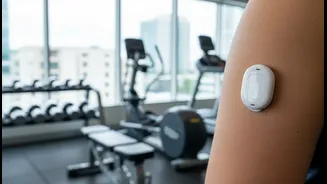
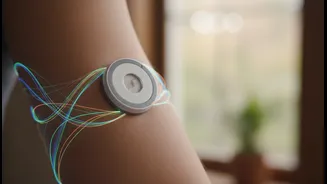
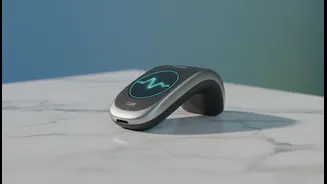
For years, continuous glucose monitors have been life-changing tools for people with diabetes. These small, wearable devices track glucose levels in real-time, sending data to a smartphone and eliminating the need for constant, painful finger pricks.
They provide crucial alerts for dangerously high or low blood sugar, helping to manage the condition and prevent emergencies. But recently, the CGM has crossed over from the medical world into the mainstream wellness space. Driven by social media influencers, athletes, and a growing "biohacking" culture, these devices are being reframed as a lifestyle tool for personal optimisation, promising a deeper understanding of one's own metabolic health.
The Allure of Real-Time Data
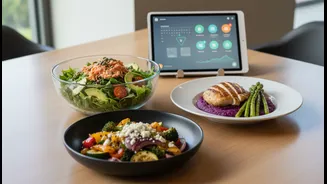
The core appeal for the non-diabetic user is simple: immediate feedback. A CGM offers a window into how your body uniquely responds to the food you eat, your exercise routine, stress levels, and even the quality of your sleep. Want to know if that bowl of dal spikes your blood sugar more than a portion of rice? Or how a morning workout impacts your energy levels for the rest of the day? A CGM provides a continuous stream of data to answer these questions. This empowers users to make highly personalised adjustments to their lifestyle, moving beyond generic dietary advice to a program tailored to their own biology. This aligns with a growing movement in India and globally towards a data-driven approach to health.
Part of a Bigger 'Quantified Self' Trend
The CGM phenomenon isn't happening in a vacuum. It's a key part of the much larger trend of proactive wellness tracking, often called the "quantified self" or "biohacking" movement. People are increasingly using technology to monitor every aspect of their lives, from sleep quality with smart rings and watches to heart rate variability and daily steps. In India, health-tech startups are leveraging AI to analyse data from wearables, offering personalised fitness and nutrition plans. The goal is to move from a reactive model of treating sickness to a proactive one of optimising wellness and preventing disease long before it manifests. This data-centric approach to well-being is becoming more accessible and mainstream.
A Reality Check: What the Experts Say
While the potential is exciting, experts advise caution. A key concern is the risk of misinterpretation. Normal blood glucose levels fluctuate throughout the day, and a spike after a meal isn't necessarily a cause for panic; it's a normal metabolic response. There is a risk of creating needless anxiety or an unhealthy obsession with data. Furthermore, while CGMs are revolutionary for diabetes management, there is not yet a broad consensus or extensive research on their long-term benefits for healthy individuals without diabetes. Clinicians note that while the technology can motivate positive changes, it's a tool, not a diagnostic device. The cost can also be a significant barrier, as these devices are often not covered by insurance for wellness purposes.