






What Exactly Is Kanji?
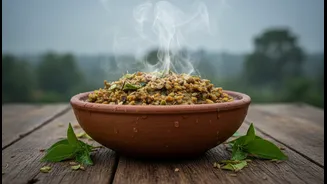
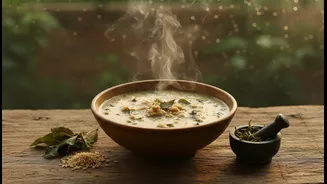
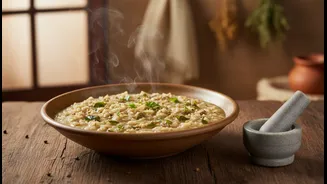
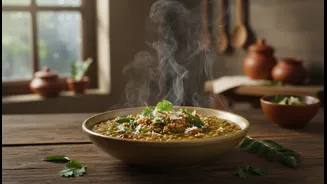
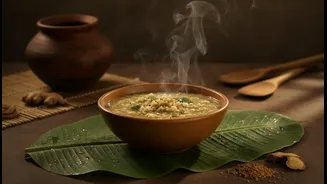
At its core, Kanji is a simple rice gruel or porridge, a dish known across many Asian cultures. In Kerala, however, it’s much more than that. It is a canvas for flavour and nourishment, a comfort food that signifies home, care, and recovery. Prepared
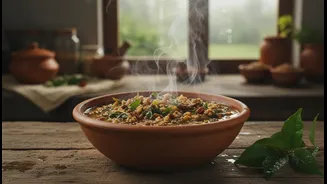
by boiling rice until it's soft and the water becomes a starchy, comforting broth, the basic Kanji is lightly salted and incredibly easy to digest. But its versatility is its true strength. It can be served with a variety of accompaniments like green gram stir-fry (cherupayar thoran), pickles, or coconut chutney, transforming it from a simple meal into a wholesome platter. For many in Kerala, the term 'kanji' was once synonymous with earning a livelihood, representing the most basic, essential form of sustenance.
The Monsoon's Medicinal Meal
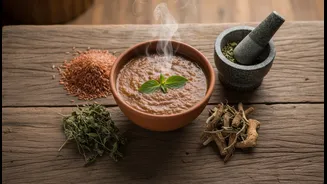
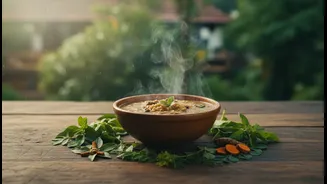
The most celebrated version of this dish is Karkidaka Kanji, a medicated gruel consumed during the monsoon month of Karkidakam (mid-July to mid-August). This isn't your everyday porridge; it's an Ayurvedic formulation, also known as Oushadha Kanji or Marunnu Kanji (medicinal porridge). According to Ayurvedic principles, the monsoon is a time when the body's digestive fire (Agni) is weak and immunity is low, making one susceptible to illness. Karkidaka Kanji is specifically designed to counteract this. Made with ingredients like Njavara rice (a medicinal variety), coconut milk, and a potent mix of herbs and spices like dry ginger, cumin, and fenugreek, it aims to boost immunity, improve digestion, and detoxify the body. This tradition has been a cornerstone of Kerala's seasonal wellness rituals, or 'Karkidaka Chikitsa', for centuries.
A Comeback Fuelled by Modern Trends
So why is this ancient dish suddenly in the spotlight? The answer lies in a powerful convergence of modern wellness trends and a renewed appreciation for traditional wisdom. In 2026, 'seasonal eating' has become more than just a buzzword; it's a movement towards consuming foods that are locally grown and naturally harvested. This approach is valued for providing higher nutrient density and being more sustainable. Kanji, especially its Karkidaka variant, is the epitome of seasonal eating. Furthermore, as global interest in gut health, immunity-boosting foods, and natural detoxification grows, Kanji fits the bill perfectly. It's a gentle, nourishing food that aligns with the modern focus on holistic health, something Ayurvedic texts have advocated for centuries by emphasising food as medicine.
From Humble Homes to Trendy Menus
The revival of Kanji isn't just happening in homes. This traditional dish is finding its way into new spaces, reflecting a broader resurgence of interest in regional Indian cuisines. Celebrity chefs and food influencers are highlighting forgotten heritage recipes, urging a return to the simple, soulful foods that once defined everyday life in regions like Kerala. As culinary tourism grows and travellers seek authentic experiences, dishes rooted in local culture and seasonal rhythms are gaining global acclaim. This renewed interest ensures that Kanji is not just preserved as a nostalgic memory but is actively being rediscovered by a new generation that values authenticity, wellness, and the stories behind their food.