




Why Humidity Is the Enemy of Fresh Food
High humidity is the primary reason food spoils faster during seasons like the monsoon. Moisture in the air allows harmful bacteria, such as Salmonella and E. coli, along with mould, to multiply rapidly on food surfaces. This process is accelerated by
warm ambient temperatures, which often fall within the food safety "danger zone" of 5°C to 60°C. In these hot and humid conditions, bacteria can flourish, turning a perfectly good meal into a health hazard in a remarkably short time. Contaminated food may not always look, smell, or taste different, making it crucial to handle all cooked meals with extra care.
The Two-Hour Rule Becomes the One-Hour Rule
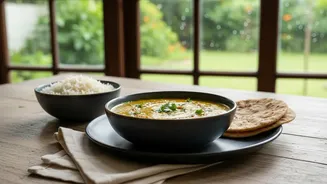
A standard food safety guideline is the "two-hour rule," which states that cooked food should not be left at room temperature for more than two hours. However, experts strongly advise shortening this window during humid and hot weather. When temperatures rise above 32°C, this becomes a strict "one-hour rule". Food left out for longer, including common Indian dishes like cooked rice and dal, can develop dangerous levels of bacteria. It's essential to get leftovers into the refrigerator as quickly as possible to prevent the growth of these microorganisms.
Proper Cooling and Storage Is Essential
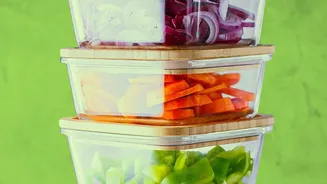
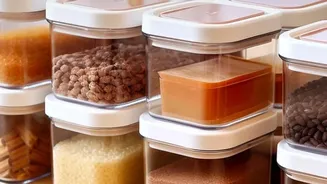
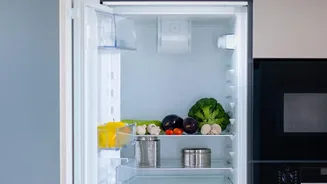
Putting a large, hot pot of curry or dal directly into the refrigerator can raise the internal temperature of the appliance, putting other foods at risk. To cool food quickly and safely, divide large batches into smaller, shallow containers. This increases the surface area and allows the food to cool down faster. Once cooled, store everything in airtight containers. This not only prevents cross-contamination from raw foods but also keeps excess atmospheric moisture out. Ensure your refrigerator is set to 4°C or below. FSSAI also recommends cleaning your fridge regularly, as spills and residue can become breeding grounds for mould in the humid environment.
Know Your Leftover Timelines
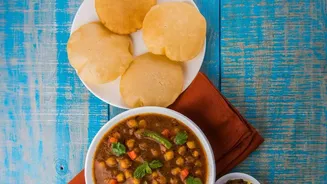
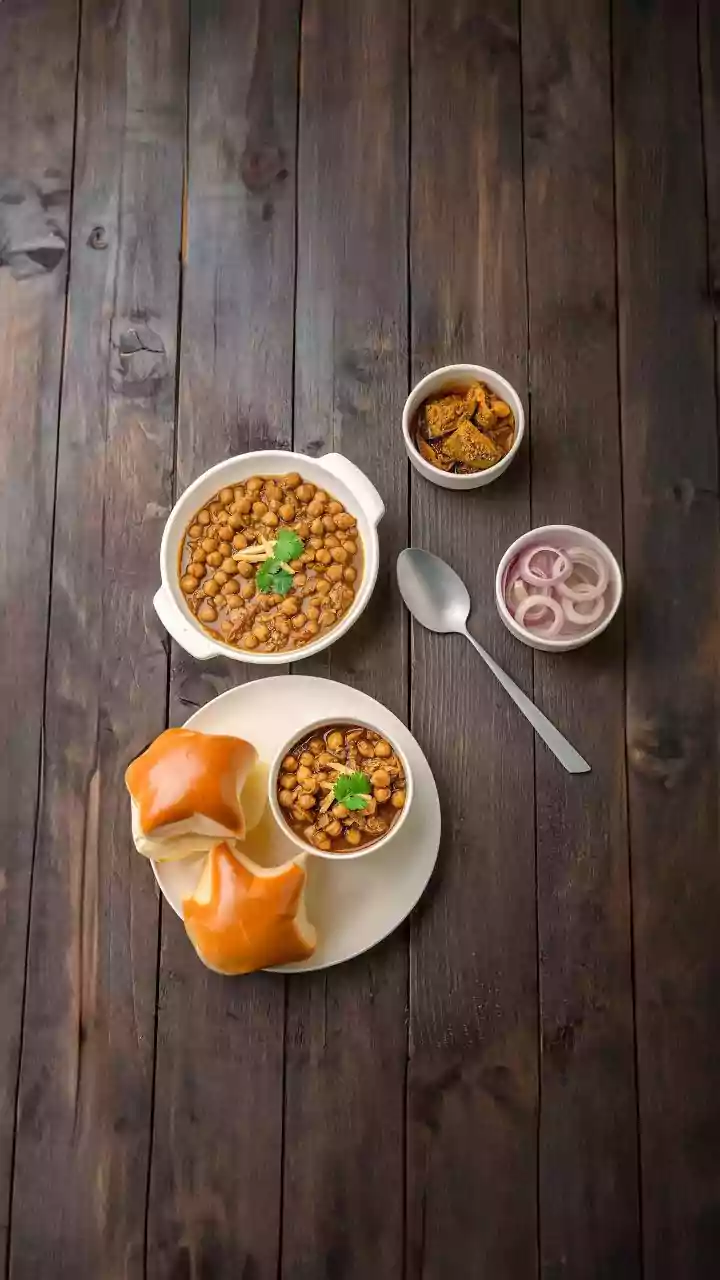
In humid weather, the shelf life of even refrigerated leftovers shortens. According to some expert guidelines for monsoon conditions, cooked rice and plain roti should ideally be consumed within 12 to 18 hours. Dals and paneer or coconut-based curries may last around 18 to 24 hours, while other gravies like rajma or chole can last up to 36 hours. It is crucial not to rely solely on a smell test to check if food is safe, as many harmful bacteria do not produce a noticeable odour. When in doubt, it is always safer to discard the food.
Reheat Thoroughly to Kill Germs
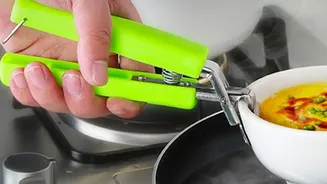
When you are ready to eat leftovers, reheating them properly is a critical final step to ensure safety. Proper reheating can kill most dangerous microorganisms that may have developed during storage. Bring liquid-based foods like soups, dals, and curries to a rolling boil. For solid foods, ensure they are heated until steaming hot all the way through, reaching an internal temperature of at least 70°C. This ensures that the food is not just warm but has reached a temperature sufficient to eliminate harmful bacteria, making it safe to consume.