





A Foundation for Physical Wellbeing
At its core, walking is one of the most accessible forms of exercise available. It's a low-impact activity, meaning it's gentle on your joints, making it an excellent choice for people of all ages and fitness levels. You don’t need expensive gym memberships
or specialised equipment; a comfortable pair of shoes is all it takes to begin. Regular participation in a walking group provides the structure to turn a casual stroll into a consistent fitness routine. Studies have shown that consistent walking can lead to significant health improvements, including reduced blood pressure, lower body fat, and decreased total cholesterol. It boosts cardiovascular fitness, strengthening your heart and lungs, and plays a crucial role in managing conditions like hypertension and diabetes. Furthermore, as a weight-bearing exercise, it helps improve bone density and can ease joint pain over time. The group dynamic adds an element of accountability, making it more likely that you'll stick with the routine and reap these long-term physical rewards.
An Escape for Mental Clarity
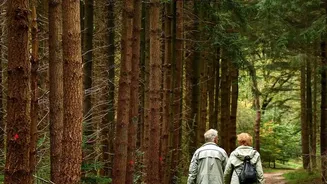
The mental health benefits of walking, particularly outdoors, are just as profound as the physical ones. Spending time in nature has a scientifically proven calming effect on the nervous system. Research indicates that even short walks in a park or green space can lower levels of cortisol, the body's primary stress hormone, and improve your mood almost instantly. This happens because natural environments give our brains a break from the constant stimulation of urban life and digital screens, allowing us to unwind and restore a sense of calm. Walking outdoors encourages a state of gentle mindfulness, bringing your attention to the present moment — the feel of the breeze, the sound of birds, the rhythm of your own footsteps. This can help reduce feelings of anxiety and mental fatigue. Studies have also linked outdoor walking to a reduced risk of depression. The combination of physical movement, fresh air, and natural scenery creates a powerful antidote to the pressures of daily life, offering a simple yet effective way to support your emotional wellbeing.
Building Bonds One Step at a Time
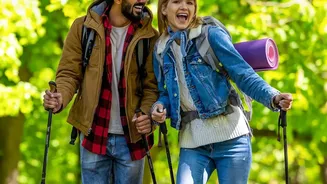
Perhaps the most unique aspect of a walking group is its ability to combat social isolation and build genuine community ties. In an age of digital disconnection, these groups provide a space for real-world interaction. Walking side-by-side creates a relaxed and informal atmosphere for conversation to flow naturally. This social dimension is crucial for our overall health; loneliness has been linked to numerous health issues, and fostering social connections is a key component of a healthy lifestyle. Across Indian cities, a new culture of social wellness is emerging, with younger people, in particular, embracing walking groups as a 'third place' — a social environment outside of home and work to build relationships. These groups often become close-knit communities where members find not just accountability partners for exercise, but also friends. Initiatives like women's walking collectives are also creating safe and supportive spaces for connection and helping people navigate urban loneliness. Whether it’s exploring a new neighbourhood together or simply sharing stories along a familiar path, these shared experiences foster a powerful sense of belonging.
Getting Started Is Easy
The beauty of walking groups is their simplicity and inclusivity. Finding one in your area is often as easy as checking local social media groups, community centre notice boards, or apps dedicated to fitness meetups. In India, many local parks and residential complexes have informal groups that meet at regular times each morning or evening. Don't be afraid to just show up and introduce yourself; most groups are welcoming to new members. If you can't find an existing group, consider starting your own. All it takes is inviting a few friends, neighbours, or colleagues for a walk at a set time. You can start small and let it grow organically. The goal isn't to be the fastest or walk the farthest, but to create a consistent, supportive, and enjoyable routine. The combination of improved fitness, mental peace, and social connection makes it one of the most rewarding habits you can build.