



What Exactly Is a Planetary Convergence?
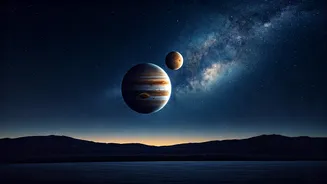
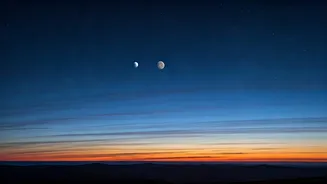
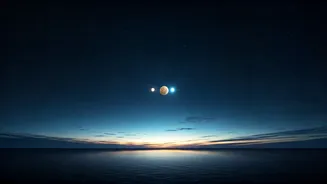
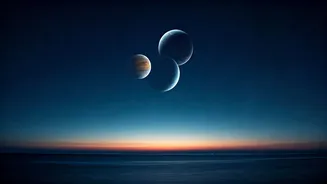
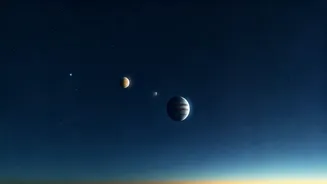
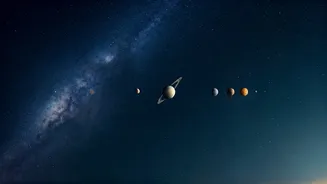
When we talk about a planetary 'convergence' or 'conjunction', we're describing an amazing line-of-sight illusion. The planets aren't actually close to each other in space—in reality, they remain millions of kilometres apart, each moving in its own vast
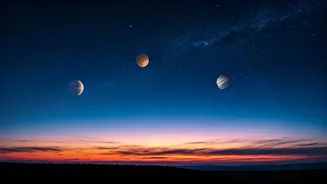
orbit around the Sun. However, from our vantage point here on Earth, their orbital paths cause them to occasionally appear grouped together in a small patch of our night sky. Think of it like seeing two distant streetlights appearing side-by-side, even though one might be a block further down the road. These alignments offer a fantastic opportunity to see multiple worlds at once without needing any special equipment.
Why This particular Trio Is Special
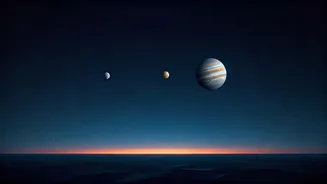
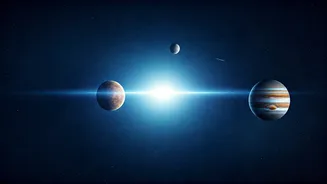
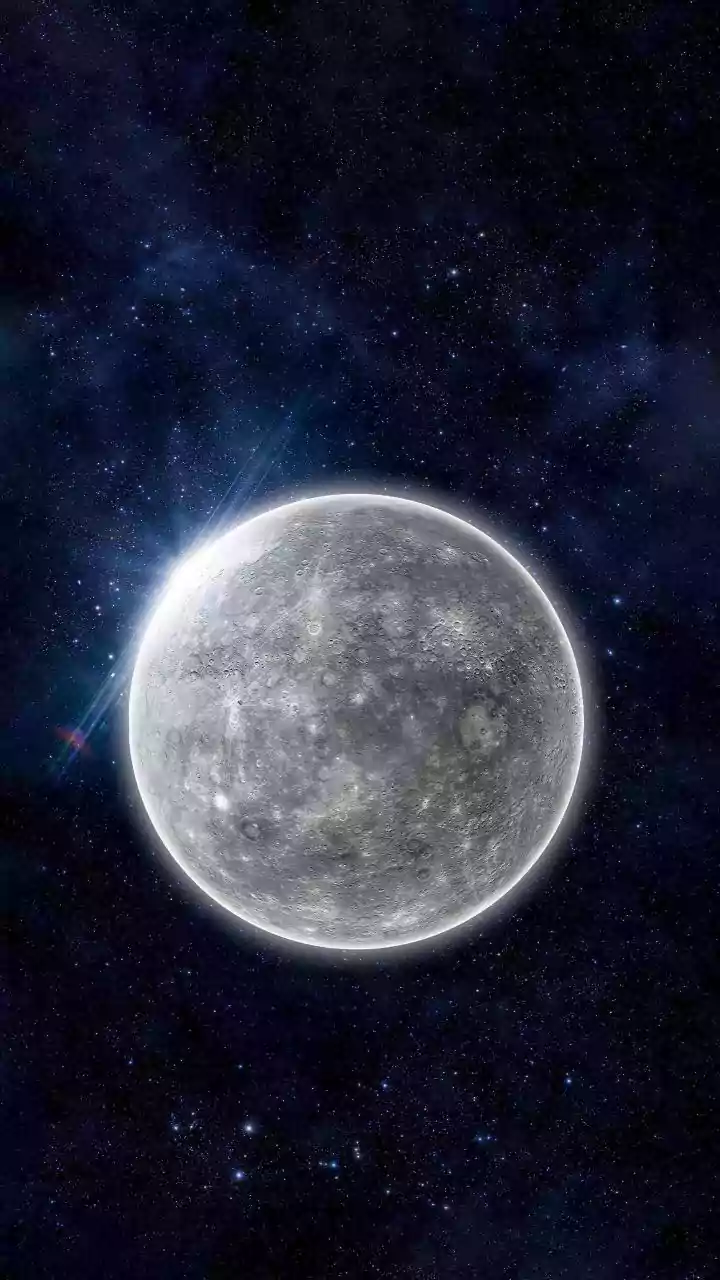
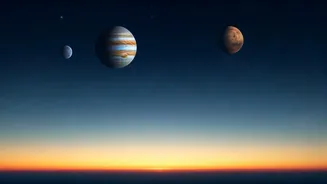
While conjunctions involving two planets are relatively common, seeing three bright planets clustered together is a much rarer spectacle. What makes this event particularly exciting is the cast of characters. Venus is the brightest object in our night sky after the Moon, often called the 'Evening Star' or 'Morning Star'. Jupiter is the second-brightest planet and the largest in our solar system. Mercury, the smallest and innermost planet, is the most elusive of the trio. It never strays far from the Sun’s glare, making it notoriously difficult to spot. Seeing it alongside the brilliant signposts of Venus and Jupiter provides a rare and easy chance to finally catch a glimpse of this swift little world. This celestial gathering is a visual reminder of the dynamic, clockwork nature of our solar system.
When and Where to Look
Timing and direction are everything for successful sky-watching. This planetary trio will be visible shortly after sunset. The best viewing window will open about 30 to 45 minutes after the sun has completely disappeared below the horizon, during the period of bright twilight. You'll need to look towards the western sky, the same direction where the sun just set. The planets will be relatively low, so an unobstructed view of the horizon is crucial. As the sky darkens, the planets will become more prominent, but they will also sink lower and set within about 90 minutes of the sun. So, don't wait too long to head outside. This is an early evening show, perfect for a quick post-dinner celestial hunt.
How to Identify Each Planet
You won't have any trouble finding Venus—it will be the most dazzling point of light in that part of the sky, impossible to miss. It shines with a steady, silvery-white light. Just nearby, you'll find Jupiter. While not as blindingly bright as Venus, it will still be the second most brilliant object in the vicinity, appearing as a bright, steady 'star'. The real challenge, and reward, is spotting Mercury. Look for a much fainter point of light very close to the horizon, likely near the other two. It may appear as a tiny, pinkish-hued dot. Unlike stars that twinkle, planets shine with a more stable light, which can help you distinguish them from the background stars that begin to emerge as twilight deepens.
Tips for the Best Viewing Experience
First, find the best possible location. An open field, a terrace, or a spot overlooking a lake with a clear western horizon is ideal. City dwellers should try to get away from tall buildings and bright streetlights that cause light pollution. Second, give your eyes time to adjust. It takes about 15-20 minutes for your eyes to become fully adapted to the dark, which will make it much easier to spot faint objects like Mercury. While this event is perfectly visible to the naked eye, a pair of binoculars will dramatically enhance the view. Through binoculars, you might even be able to glimpse Jupiter's four largest moons—Io, Europa, Ganymede, and Callisto—appearing as tiny pinpricks of light flanking the giant planet. Finally, check your local weather forecast. Clear skies are essential for this celestial show.