




What Are Ultra-Processed Foods?
Before we dive into the science, let's clarify what we're talking about. The most widely used definition comes from the NOVA classification system, which groups foods by their level of processing. Ultra-processed foods are industrial formulations, typically
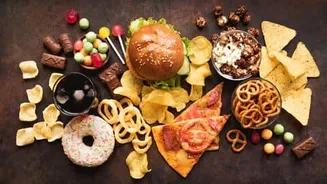
containing ingredients you wouldn't find in a home kitchen. Think fizzy drinks, packaged snacks, instant noodles, sugary cereals, and ready-to-heat meals. These products often undergo multiple industrial processes and contain additives like colours, emulsifiers, and preservatives. They tend to be high in added sugar, unhealthy fats, and salt, while being low in fibre and essential nutrients. In many countries, these convenient and aggressively marketed foods now make up more than half of the average person's daily diet.
The Known Harms
For years, a mountain of evidence has linked high consumption of UPFs to a wide array of health problems. Umbrella reviews of dozens of studies involving millions of people have found consistent associations. Diets high in UPFs are linked to a greater risk of obesity, type 2 diabetes, heart disease, and certain cancers. One large review found convincing evidence that high UPF intake was associated with a roughly 50% increased risk of death related to cardiovascular disease and a 12% greater risk of type 2 diabetes. The evidence is so consistent that it has prompted calls for urgent public health measures to reduce our exposure to these products.
The Latest Update: The Brain on UPFs
The newest and most alarming updates in UPF research concern the brain. Several recent large-scale studies are highlighting a strong connection between UPF consumption and cognitive health. A study from Harvard researchers found that older adults who ate the most ultra-processed foods had a 58% higher risk of developing dementia compared to those who ate the least. Another study showed that for every 10% increase in a person's UPF intake, there was a measurable drop in attention and processing speed. This suggests the damage isn't just a long-term risk but can have more immediate effects on our ability to focus. These findings support public health recommendations to limit UPFs due to their potential harm to cognitive function.
It's More Than Just Nutrients
A key question has always been: are UPFs unhealthy simply because they are high in fat, sugar, and salt, or is there something else going on? An important update from researchers suggests the processing itself is a major problem. A recent study found that even after accounting for the nutritional quality of a person's diet, higher UPF consumption was still linked to worse health outcomes. Scientists believe several mechanisms are at play. Industrial processing often destroys the food's natural cellular structure, which can make us absorb calories faster and feel less full, leading to overeating. Additives and emulsifiers may disrupt our gut microbiome—the trillions of bacteria in our digestive system—which can cause inflammation throughout the body, a known predictor of cardiovascular disease. These foods are also specifically designed to be 'hyper-palatable,' hijacking our brain's reward systems and encouraging overconsumption in a way that natural foods do not.
What You Can Do About It
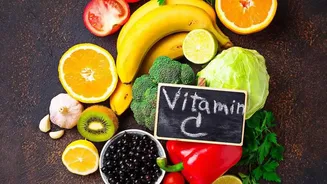
The evidence can feel overwhelming, but the takeaway is about awareness, not perfection. The goal isn't to eliminate every processed item from your life, as some processing like canning or freezing can be useful. Instead, focus on reducing the 'ultra-processed' category. A simple strategy is to prioritise whole foods—fruits, vegetables, legumes, and whole grains—that are as close to their natural state as possible. Reading labels is key; if the ingredient list is long and full of substances you can't pronounce, it's likely a UPF. Swapping just one UPF snack or drink a day for a whole-food alternative is a powerful first step. The goal is to shift the balance of your diet away from industrial formulations and back toward real, minimally processed food.