






The Itinerary is the Menu
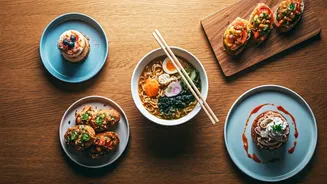
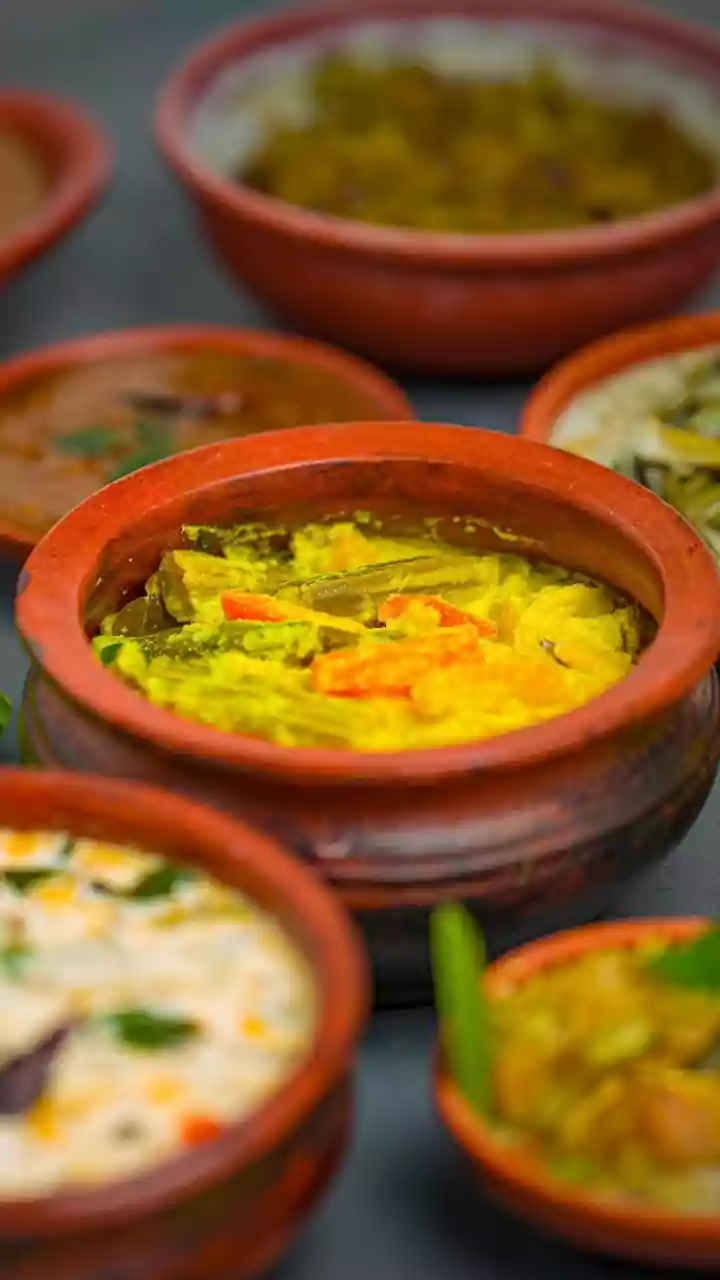
The postcard from a Gen Z holiday is less likely to be a sun-drenched monument and more likely to be a close-up of a steaming bowl of ramen, a perfectly layered pastry, or a vibrant street-side snack. This isn't just a quirky habit; it's a fundamental
shift in travel priorities. Younger travellers are increasingly planning entire trips around food. According to a recent American Express Global Travel Trends report, a staggering 89% of Gen Z and Millennial travellers say trying local snacks is an essential part of their journey. They are not just having a bite between sightseeing stops; the food *is* the main event. Entire holidays are being structured around viral food stalls, must-try local delicacies, and dining experiences that offer a genuine taste of a place, with landmarks and museums often becoming the secondary activity.
Driven by the Social Feed
This culinary-first approach is intrinsically linked to the rise of social media. Platforms like TikTok and Instagram have become the primary channels for travel discovery for this generation. A visually stunning dish or a 'snack haul' from a convenience store in another country can go viral, turning a simple food item into a destination in itself. The hashtag #foodtravel has tens of millions of posts, showcasing a global library of edible experiences that inspire travel plans. This digital word-of-mouth has more currency than traditional guidebooks. For Gen Z, food is not just sustenance; it's content, a way to curate their identity, and share a story. A trip to a trending restaurant is proof of being in the know and becomes a key part of their online self-expression.
A Hunger for Authenticity
Beyond the social media buzz, this trend speaks to a deeper desire for authentic cultural immersion. For many young travellers, food is the most direct and accessible entry point into a local culture. It's a way to connect with a place's history, traditions, and people on a sensory level. A 2026 study by TravelBoom revealed that nearly 80% of travellers consider food important when picking a destination, but the preference is overwhelmingly for authentic experiences. The focus has shifted from Michelin-starred restaurants to the street food stall that locals queue for, or the family-run eatery with a generations-old recipe. This search for authenticity also extends to how they travel, with a recent Airbnb report on Indian Gen Z travellers highlighting a preference for experience-driven journeys that prioritize connection and memorable moments over conventional sightseeing.
The Industry Takes Note
The travel and hospitality industries are adapting to this seismic shift. Tourism boards, hotels, and tour operators are increasingly highlighting their local culinary scenes to attract younger demographics. In India, where 45% of travellers see food as integral to their travel planning, the potential is enormous. Cities like Bangalore and Hyderabad have been recognised as top global destinations for 'snackpacking'—a trend focused on discovering hyper-local, everyday snacks. This reflects a broader trend in India where spending on experiences like dining and travel is expected to outpace spending on physical goods by 2030, driven largely by Gen Z. The demand is not for generic luxury, but for curated design, unique local experiences, and a strong sense of place, turning hotels and accommodations into gateways for culinary discovery.