



A Stargazer’s Paradise on Earth
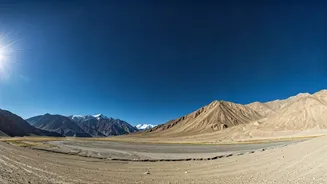
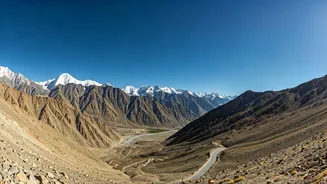
There’s a reason astronomers and dreamers flock to Ladakh. Perched at an average altitude of over 10,000 feet, this high-altitude desert brings you closer to the cosmos. The thin, dry air is the secret ingredient; with less atmosphere to peer through,
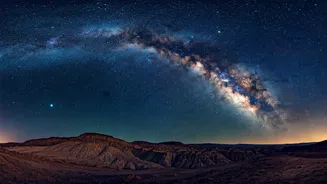
stars appear sharper, brighter, and more numerous. Unlike our cities, which are bathed in an orange glow of light pollution, much of Ladakh remains profoundly dark. Places like Hanle, home to India’s first official Dark Sky Reserve and the Indian Astronomical Observatory, offer some of the most pristine night skies on the planet. Here, the universe isn't a distant concept; it's an overwhelming, immersive presence.
The Main Act: The Delta Aquariids
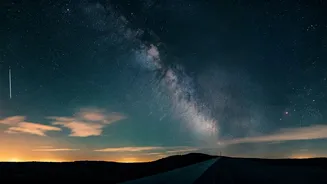
Every year in late July and early August, Earth passes through the dusty trail left behind by a comet, likely 96P/Machholz. This debris slams into our atmosphere at high speed, burning up in flashes of light known as the Southern Delta Aquariids meteor shower. While not as famous as the Perseids in August, the Delta Aquariids offer a steady, reliable show, producing around 15 to 20 faint meteors per hour under ideal conditions. These meteors appear to radiate from the constellation Aquarius, which hangs in the southern part of the night sky, adding a sense of direction to the celestial fireworks.
The Galactic Co-Star
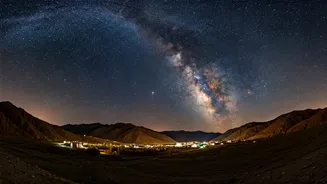
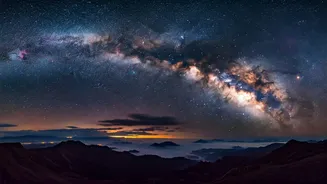
What makes this event in Ladakh truly magical is the co-star: the Milky Way. During the summer months in the Northern Hemisphere, the core of our home galaxy is at its most magnificent, arching across the sky like a luminous cloud. From Ladakh's vantage point, this dense band of stars and dust provides a breathtaking backdrop for the meteor shower. The radiant point of the Delta Aquariids in the southern sky coincides with the direction of the Milky Way’s bright centre. This means you aren’t just watching meteors against a black sky; you're watching them streak across the most spectacular section of our galaxy, a truly perfect alignment of cosmic wonders.
The Challenge of 2026: A Bright Moon
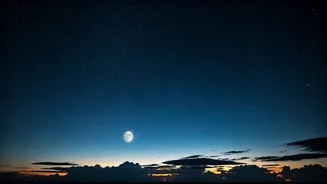
The headline promises perfection, but nature has a twist for 2026. The meteor shower’s peak is predicted for July 30th. Unfortunately, a bright Full Moon is scheduled for July 29th, meaning its powerful glare will wash out many of the fainter Delta Aquariid meteors during the peak nights. So, does that mean the show is cancelled? Not at all. It just means you need a smarter strategy. The shower is active from mid-July to late August, so you don't have to aim for the absolute peak to have an incredible experience.
Your Guide to an Unforgettable Night
To outsmart the moonlight, plan your viewing for the week before the peak, roughly between July 20th and July 27th. The New Moon on July 14th ensures that the skies in the preceding week will be at their darkest. Head to renowned stargazing spots like Hanle, Pangong Tso, or Tso Moriri. Find a comfortable spot, perhaps with a reclining chair or a blanket, and give your eyes at least 20-30 minutes to adapt to the darkness. Resist the urge to look at your phone, as white light will ruin your night vision. If you need a light, use a red-filtered torch. Temperatures in Ladakh drop significantly at night, even in summer, so dress in warm layers. Then, just lie back, look south, and let the show unfold.