






1. Jamun (Java Plum)
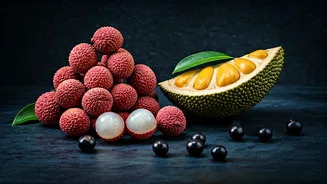
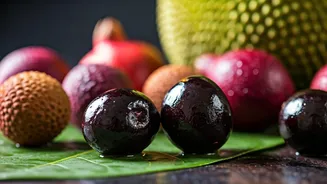
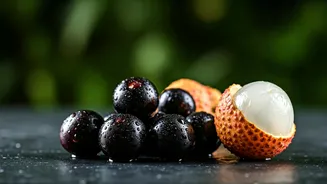
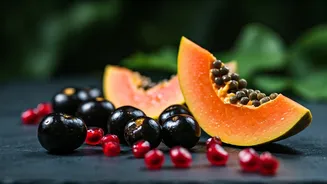
Often called the “miracle fruit,” Jamun, or Java Plum, is a deep-purple, olive-sized fruit that becomes widely available during the monsoon in India. It has a unique sweet, sour, and astringent flavor that makes your tongue tingle. But its real power
lies in its nutritional profile. Traditionally used in Ayurvedic medicine for generations, modern nutritionists value Jamun for its low glycemic index, making it a favorable choice for those monitoring their blood sugar. The fruit is packed with anthocyanins, the antioxidants responsible for its dark color, which help fight oxidative stress. It’s also a good source of vitamin C, iron, and potassium, nutrients that support everything from immunity to blood pressure regulation. While fresh Jamun can be tricky to find in the U.S., it’s increasingly available frozen, as a juice, or in a powdered form in Indian grocery stores and online. The powder is excellent for adding a nutrient boost to smoothies and yogurt.
2. Lychee
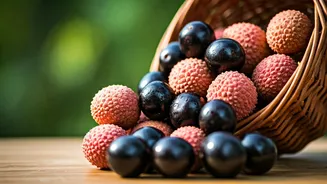
With its bumpy red skin and translucent, floral-scented flesh, the lychee is a true summer and monsoon-season delight. While it may seem like a simple, sweet treat, this tropical fruit is a hydration and immunity superstar. Composed of over 80% water, lychees are incredibly effective at helping you stay hydrated—a key concern in the humid, sticky weather typical of a monsoon (or a sweltering American summer). Beyond hydration, a single serving of lychees can provide more than 100% of the daily recommended intake of Vitamin C, a crucial antioxidant for bolstering the immune system and protecting your cells from damage. They also contain a good amount of potassium, which helps maintain fluid balance and supports heart health. Unlike Jamun, fresh lychees are more commonly found in U.S. supermarkets during their peak season in early summer, and canned versions are available year-round for a quick, sweet fix.
3. Pomegranate
The pomegranate is a familiar fruit to many Americans, but it holds special significance as a monsoon-season staple in parts of Asia. Its jewel-like seeds, or arils, are a burst of sweet-tart flavor and a treasure trove of health benefits. Pomegranates are celebrated for their powerful antioxidant compounds, particularly punicalagins and anthocyanins, which have been shown to have potent anti-inflammatory effects. Chronic inflammation is linked to numerous health issues, so incorporating anti-inflammatory foods is a smart wellness strategy. These antioxidants also support heart health by helping to protect LDL cholesterol from oxidative damage. Furthermore, pomegranates are rich in fiber, which aids digestion—another common concern when seasonal changes affect our routines and diets. The next time you see this vibrant red orb at the grocery store, remember it’s not just a fall fruit in the U.S.; it’s a global wellness tool prized for keeping the body resilient.