



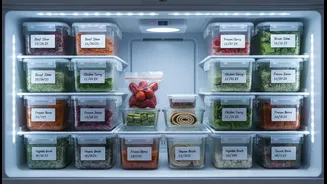


What is a Backup Kitchen?
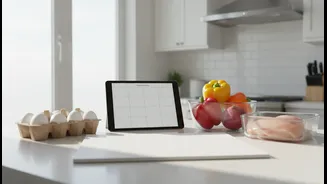
A 'backup kitchen' isn't a second physical kitchen. It's a strategic system designed to make home cooking possible even on your most drained and disrupted days. It’s a combination of a well-stocked pantry, a strategically filled freezer, and a handful
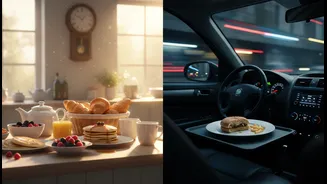
of simple, no-think recipes. The goal is to remove decision fatigue and make cooking a meal easier and faster than scrolling through a delivery app. By having the right ingredients on hand, you create an environment where healthy, affordable choices become the most convenient ones. This system acts as your personal safety net, ensuring a satisfying meal is always within reach, no matter how hectic life gets. It's about preparedness, not perfection, and it empowers you to take back control of your weeknight dinners.
The Foundation: Your Pantry Staples
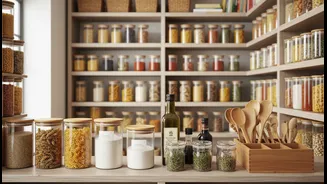
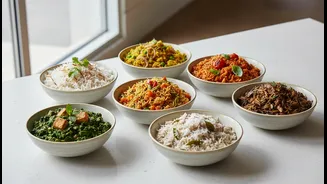
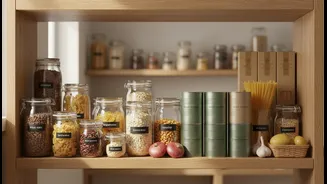
The heart of your backup kitchen is a well-stocked pantry. Having versatile, long-lasting ingredients is crucial for whipping up a meal in minutes. Think of these as the building blocks for countless easy dishes. Key items to always have on hand include grains like rice and pasta, which are filling and cook quickly. Canned goods are invaluable; stock up on beans, lentils, chopped tomatoes, and tuna or chicken. These items can form the base of a chili, soup, or pasta sauce with minimal effort. Don't forget flavour boosters like dried herbs, spices, stock or bouillon, and long-life sauces like pesto or marinara. With these basics, a simple meal is never far away. You can make a quick pasta dish, a hearty bean stew, or a satisfying rice bowl without a last-minute trip to the shops.
The Freezer: Your Secret Weapon
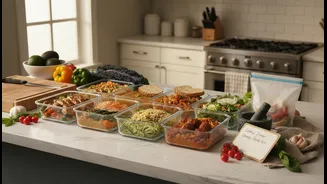
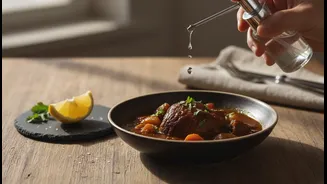
Your freezer is more than just a place for ice cream; it's a powerful tool for your backup kitchen. It allows you to plan ahead for your weakest moments. One of the best strategies is to batch cook and freeze meals on a day when you have more energy. Soups, stews, curries, and enchilada casseroles freeze exceptionally well. Simply make a double batch of your dinner and freeze half for a future chaotic night. Beyond full meals, the freezer is perfect for storing key components. Keep a stash of frozen vegetables, which are just as nutritious as fresh and prevent food waste. Frozen proteins like chicken breasts, ground meat, or veggie burgers are also great to have. You can even freeze staples like bread or homemade meatballs, ensuring you always have the makings of a quick, satisfying meal ready to go.
Go-To Meals for Low-Energy Days
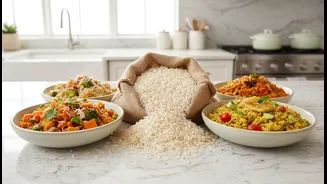
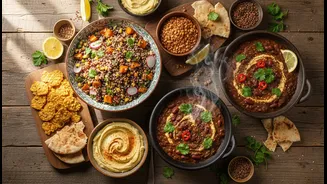
The final piece of the puzzle is having a mental shortlist of incredibly simple meals you can make with your backup ingredients. The key is to eliminate the need for complex recipes or culinary creativity when you're tired. A great template is a simple pasta dish: combine pasta with a jar of marinara sauce and add protein like canned tuna or frozen meatballs. Another versatile option is a rice bowl. Top cooked rice with canned beans, frozen corn, salsa, and cheese. Wraps and quesadillas are also fantastic for using up leftovers and pantry items like tortillas and canned chicken. Even something as simple as an omelette with frozen veggies and cheese or ravioli with a store-bought sauce can be a lifesaver. The goal is to have meals that require less than 20 minutes of active cooking time and minimal brainpower to assemble.
The Payoff: More Than Just a Meal
Implementing a backup kitchen system offers benefits that extend far beyond simply avoiding another takeaway. Firstly, there's the significant financial saving. Regularly ordering food is expensive when you factor in delivery fees and tips. Cooking at home, even with simple ingredients, drastically cuts down on this expenditure. Secondly, you gain more control over what you're eating. Home-cooked meals are almost always healthier than restaurant or takeaway options, which can be high in salt, sugar, and unhealthy fats. By having nutritious options readily available, you support your health goals without extra effort. Finally, there's the reduction in stress. Knowing you have a plan for dinner eliminates the nightly panic of "what should we eat?" and the potential guilt that can come with relying on delivery apps. This sense of control and preparedness can make even the most disrupted weeks feel more manageable.