




The ‘Skinification’ of Hair Care
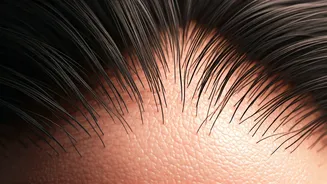
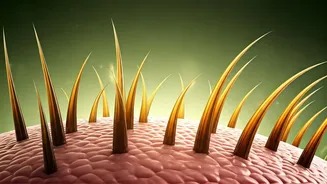
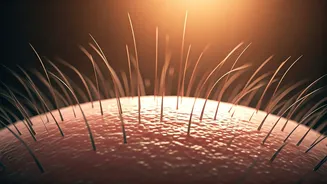
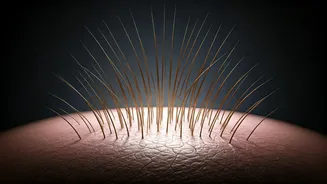
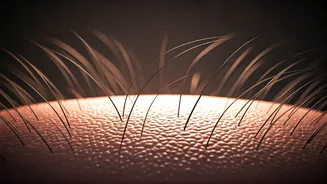
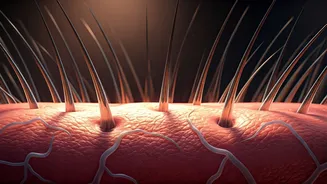
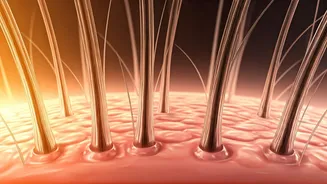
The core idea driving this trend is the 'skinification' of hair, which involves treating the skin on your scalp with the same care and precision as the skin on your face. [5, 6] Experts have long pointed out that the scalp is, after all, skin—it just
happens to have a lot more hair follicles. [15, 23] This new approach swaps basic shampoos for multi-step routines featuring sophisticated ingredients borrowed directly from skincare, like salicylic acid, hyaluronic acid, and niacinamide. [4, 6] The goal is to move beyond simply cleaning the hair strands and instead focus on creating a healthy, balanced environment at the scalp, which is the foundation for healthy hair. [14, 20] As awareness grows about how factors like stress and product buildup affect hair health, consumers are seeking long-term solutions over quick fixes. [23]
The Benefits of a Healthy Scalp
A dedicated scalp routine offers more than just a clean feeling. By removing the buildup of dead skin cells, excess oil, and styling products, you can unclog hair follicles, which is crucial for healthy hair growth. [24, 25] Regular exfoliation and massage boost blood circulation, delivering more oxygen and essential nutrients to the hair roots. [8, 14] A 2019 study even found that a daily four-minute scalp massage significantly increased hair thickness over 24 weeks. [8] Furthermore, a clean scalp allows your other hair products, like serums and conditioners, to penetrate more effectively and do their jobs better. [24] Addressing issues like dryness, oiliness, or flakes at the source can lead to stronger, shinier hair and reduce problems like breakage and excessive shedding. [14, 20]
How to Build Your Scalp Routine
Building a scalp care routine doesn't have to be complicated. It generally involves four key steps: exfoliation, cleansing, treating, and moisturizing. **1. Exfoliate (Weekly):** Start by using a scalp scrub or a chemical exfoliant with ingredients like salicylic or glycolic acid once a week. [6, 11] This step is crucial for removing dead skin cells and product residue that regular shampooing might miss. [14, 18] **2. Cleanse (As Needed):** When you wash, focus the shampoo on your scalp, using your fingertips (not your nails) to gently massage it in. [14] Some experts recommend a double cleanse: first with a clarifying shampoo to break down residue, followed by a gentler, hydrating shampoo. [2] How often you wash depends on your scalp type; oily scalps may need daily washing, while dry scalps can go longer. [13] **3. Treat (Targeted Step):** After cleansing, apply targeted treatments like serums. These products contain potent ingredients to address specific concerns, such as niacinamide for scalp barrier health or hyaluronic acid for hydration. [4, 5, 11] **4. Massage & Moisturize (Regularly):** A daily scalp massage for a few minutes can stimulate blood flow. [8] You can do this on dry hair or with a few drops of a nourishing oil. For dry scalps, moisturizing ingredients like coconut oil or shea butter can be beneficial, while oily scalps may prefer lighter options like tea tree oil. [2]
Expert Advice and Common Mistakes
Dermatologists advise that consistency is key, but it's also important not to overdo it. Over-exfoliating, for example, can cause irritation and dryness, so limiting it to once or twice a week is recommended. [11] When choosing products, be mindful of harsh ingredients like sulfates and certain alcohols that can strip the scalp of its natural oils. [15] It's also important to protect your scalp from the sun, just like the rest of your skin. Using a spray-on SPF or wearing a hat during prolonged sun exposure can prevent sun damage and reduce the risk of skin cancer. [11, 12, 13] Finally, while styling products like dry shampoo are useful, they can contribute to buildup, so use them sparingly and wash your hair regularly to remove residue. [11]