



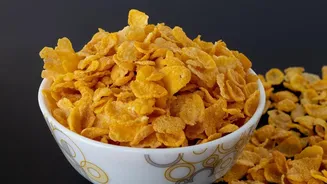
Tired of the same scoop-and-pour breakfast? While processed cereals offer speed, they often deliver a monotonous routine. It's time to explore a world of flavour and variety that has been perfected over generations: the Indian breakfast.
Breaking the Cereal Cycle
For many, the
first meal of the day has become a predictable, uninspired affair. A box of processed cereal, milk, and maybe some sugar. It's fast, but it's also a routine built on highly processed ingredients. Many breakfast cereals undergo significant processing that strips away natural fiber, and they often contain hidden sugars that can lead to a quick energy spike followed by a crash, leaving you hungry again within hours. This stands in stark contrast to the philosophy behind a traditional Indian breakfast, which is built on fresh ingredients, regional diversity, and providing sustained energy for the day ahead.
A Universe of Fresh Flavors
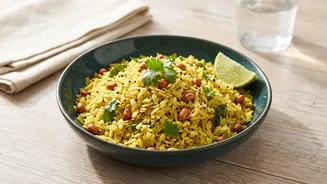
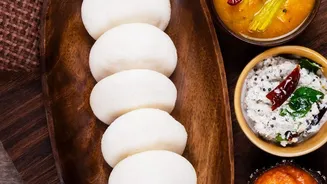
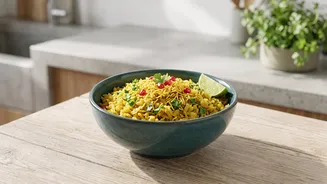
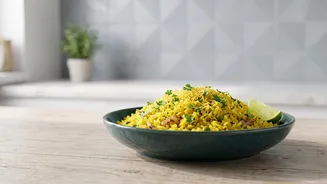
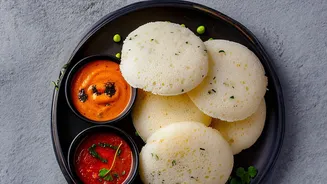
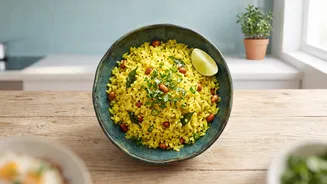
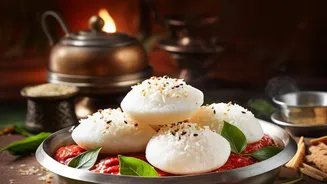
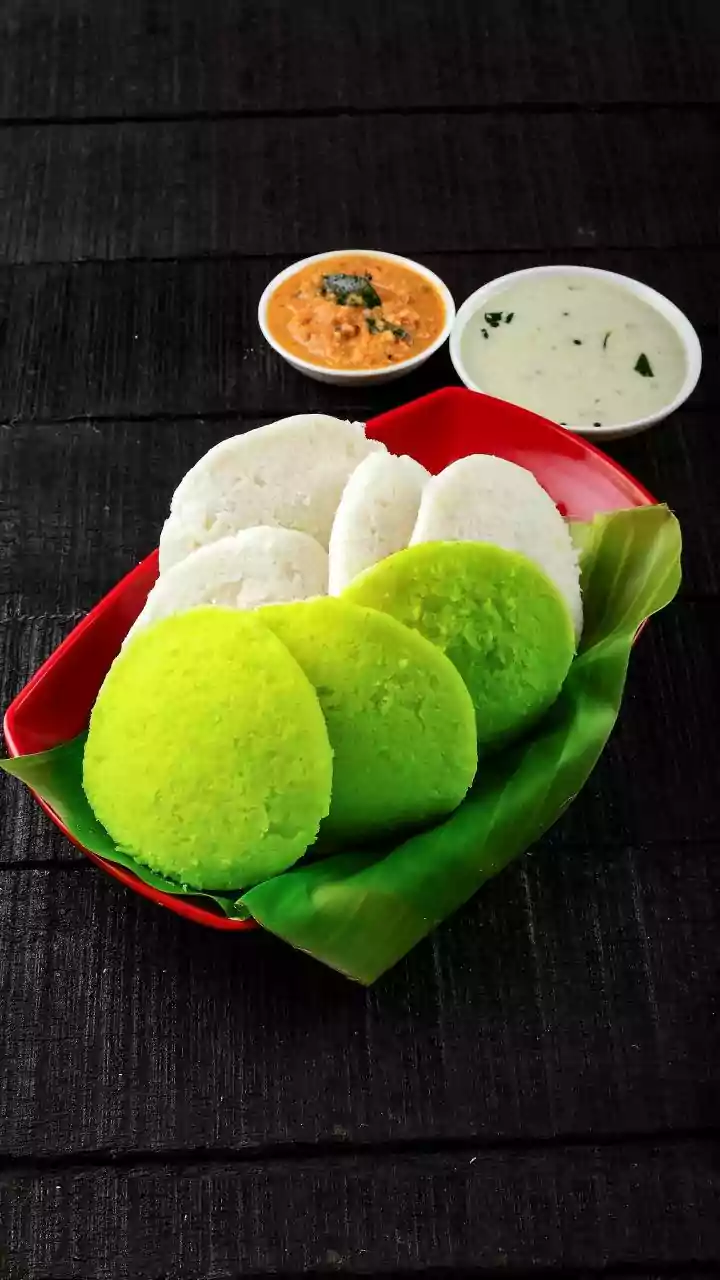
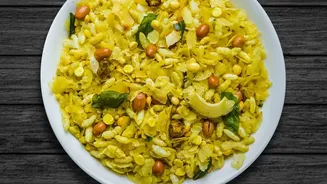
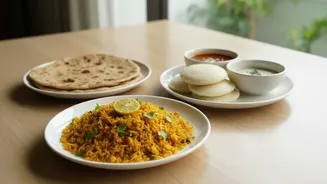
Unlike the uniformity of a cereal box, Indian breakfasts are a vibrant reflection of the country's diverse culinary landscape. Every state, and indeed every household, has its own cherished morning meals. In the south, you'll find light, fluffy idlis made from fermented rice and lentil batter, which are great for gut health, served alongside a protein-rich lentil stew called sambar. Head west to Maharashtra, and you'll discover poha, a light dish of flattened rice seasoned with turmeric, mustard seeds, fresh curry leaves, and often garnished with peanuts and onions. In the north, especially in Punjab, hearty aloo parathas—whole-wheat flatbreads stuffed with spiced potatoes—are a staple, typically served with yogurt and pickles. Each dish is a lesson in balanced nutrition, combining carbohydrates, proteins, and healthy fats.
Customized in Your Kitchen
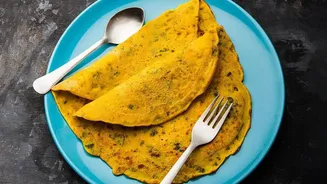
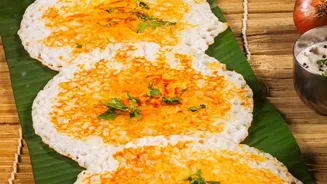
The true genius of the Indian breakfast lies in its incredible capacity for customization. The word “regional” doesn’t just mean variety from state to state; it means the recipe adapts from kitchen to kitchen. A simple dish like poha can be made in countless ways: some add potatoes (batata poha), others add peas, and some prefer a sweeter touch. Similarly, a dosa, a crispy crepe from the south, is a blank canvas. It can be served plain, filled with a spicy potato mixture (masala dosa), or even made with different grains like ragi or semolina. Parathas can be stuffed with anything from cauliflower (gobi) to paneer or radish (mooli). This inherent flexibility means your breakfast is never boring; it can be tailored to your taste, the ingredients you have on hand, and your nutritional needs.
More Than Just a Meal
Choosing a traditional Indian breakfast is about more than just avoiding processed food; it's about embracing a ritual. It's a meal that often involves time-honoured techniques like fermenting, grinding, and tempering spices, connecting the cook to the food in a more meaningful way. The use of spices like turmeric, cumin, and mustard seeds not only adds incredible flavour but also offers antioxidant and anti-inflammatory properties. This approach views breakfast as the foundational meal that sets the tone for the day, designed to be nourishing, satisfying, and deeply comforting. It’s a meal that celebrates seasonal ingredients and local culinary wisdom, offering a fulfilling experience that a processed product simply cannot replicate.