


The Big Picture: A World of Contrasts
The 2026 UN Nutrition Report paints a complex picture of global eating habits. A key theme is the “double burden” of malnutrition, which is highly relevant in India. This means that while undernutrition and stunting remain serious issues, there is also
a rapid increase in overweight, obesity, and diet-related diseases like diabetes and heart conditions. The report highlights that as lifestyles become more urbanised, people are consuming more processed foods high in sugar, salt, and unhealthy fats. This shift is moving diets away from traditional, balanced meals. The UN's analysis calls for an integrated approach, linking our health with the health of the planet by promoting sustainable food systems.
Rethink Your Plate with a Simple Rule
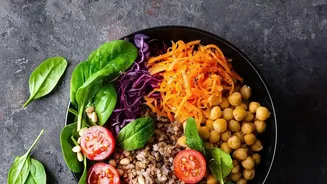
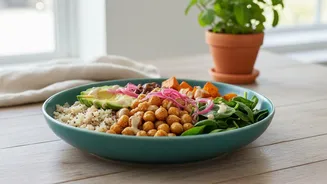
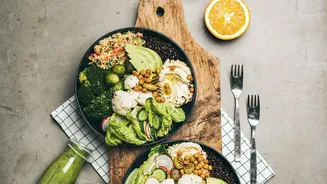
The most practical takeaway from the report's complex data is the need to re-evaluate what a balanced meal looks like. Nutritionists globally, and in India, are promoting a simple plate method. Imagine your plate divided into sections. Fill half of your plate with vegetables, whether cooked as a sabzi or as a fresh salad. This ensures you get enough fibre, vitamins, and minerals. The other half of your plate should be split between two-quarters: one for protein and one for carbohydrates. This simple visual guide helps to control portion sizes and ensures a better nutrient balance than a meal dominated by grains.
Prioritise Protein, Especially From Plants
The report underscores that many modern diets are lacking in sufficient protein, which is vital for everything from muscle repair to immune function. For many Indians, this means making a conscious effort to include a protein source in every meal. Excellent choices readily available in Indian kitchens include dals, chana, rajma, and other legumes. Dairy products like paneer and curd are also fantastic protein sources. For non-vegetarians, eggs, fish, and lean chicken are great additions. A simple tip is to ensure that a quarter of your lunch and dinner plate is dedicated to one of these protein-rich foods.
Embrace Whole Grains Over Refined Carbs
While carbohydrates are a crucial energy source, the type of carbohydrate matters immensely. The UN findings, consistent with WHO guidelines, stress the importance of choosing whole grains over refined ones. In the Indian context, this means prioritising whole wheat roti, brown rice, and traditional millets like jowar, bajra, and ragi over maida and white rice. Whole grains provide more fibre, which aids digestion, helps manage blood sugar levels, and keeps you feeling full for longer, reducing the temptation to snack on unhealthy options.
Eat Locally and Seasonally
A strong message from the 2026 report is the link between nutrition and sustainability. One of the best ways to support both your health and the environment is to eat local and seasonal produce. Foods that are in season are often fresher, more nutrient-dense, and more affordable. Visiting your local vegetable market and choosing what's abundant is a simple strategy. This approach not only provides variety in your diet throughout the year but also supports local farmers and reduces the carbon footprint associated with transporting food over long distances.
Mindful Eating and Hydration
Finally, the principles of good nutrition go beyond just what you eat; they also include how you eat. The report’s focus on the rise of obesity points to the need for mindful eating. This means paying attention to your body's hunger and fullness cues, eating slowly, and avoiding distractions during meals. Portion control is a key part of this. Additionally, staying hydrated by drinking plenty of water throughout the day is essential for overall health, yet it is often overlooked. Limit sugary drinks and fruit juices, which can contribute to excessive calorie intake without providing much nutritional value.