






Understanding Humidity's Impact
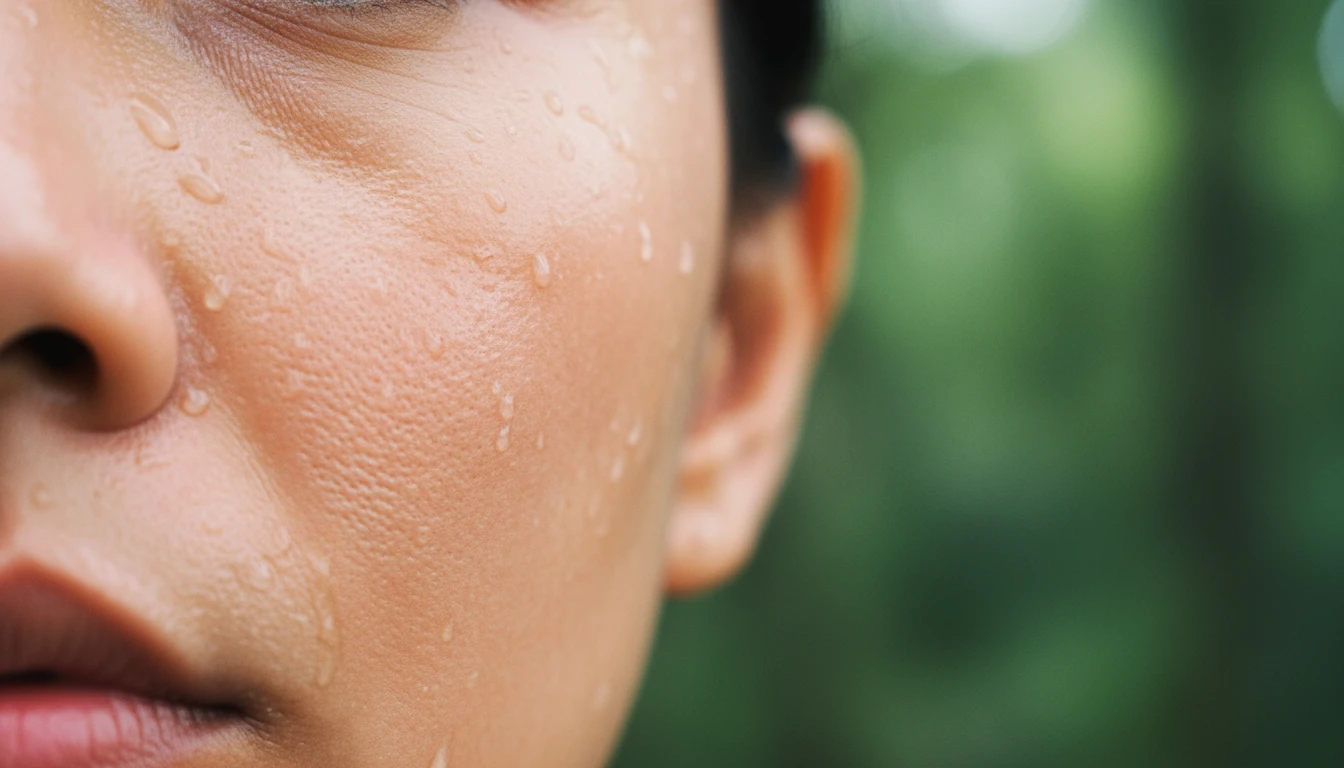
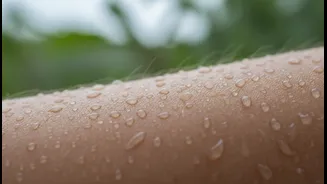
High humidity completely changes your skin's environment. The moisture in the air prevents your sweat from evaporating, creating a sticky layer on your skin's surface. This mixture of sweat and natural oils, or sebum, can become a breeding ground for
bacteria and lead to clogged pores. Studies show that high humidity stimulates the sebaceous glands to produce more oil, which directly contributes to acne flare-ups. This warm, damp environment is also perfect for the growth of fungi, making infections like athlete's foot and ringworm more common during the rainy season.
Adapt Your Cleansing Routine
During humid weather, it's crucial to cleanse your face twice a day to remove the excess oil, sweat, and grime. However, resist the temptation to use harsh, stripping cleansers. Over-washing or using aggressive products can damage your skin's natural protective barrier, leading to irritation or even more oil production as your skin tries to compensate. Opt for a gentle, pH-balanced cleanser. For those who wear makeup or sunscreen, double cleansing in the evening—starting with an oil-based cleanser followed by a water-based one—can effectively remove buildup without stripping the skin.
Exfoliate, but Gently
Regular exfoliation is key to preventing clogged pores, but it's important not to overdo it. The goal is to slough off dead skin cells that can trap oil and bacteria. Instead of harsh physical scrubs, consider using a gentle chemical exfoliant containing Alpha-Hydroxy Acids (AHAs) or Beta-Hydroxy Acids (BHAs) like salicylic acid. Salicylic acid is particularly effective in humid weather because it's oil-soluble, allowing it to penetrate deep into pores to dissolve clogs. Exfoliating just once or twice a week is usually sufficient to keep your skin looking bright and feeling smooth.
Switch to a Lightweight Moisturiser
It's a common mistake to skip moisturiser when your skin feels oily. All skin types need hydration, even in humid conditions. The key is to switch from heavy creams to lightweight, non-comedogenic (meaning they won't clog pores) formulas. Look for gel-based or water-based moisturisers that absorb quickly and don't leave a greasy residue. Ingredients like hyaluronic acid provide intense hydration without the weight, while niacinamide can help regulate oil production and improve skin texture.
Never Skip Sunscreen
Don't let cloudy skies fool you; sunscreen is a non-negotiable step, rain or shine. Up to 80% of the sun's harmful UV rays can penetrate through clouds, causing premature aging and increasing the risk of skin cancer. UVA rays, which are responsible for aging, are present at a consistent strength year-round and can even pass through window glass. For wet weather, choose a broad-spectrum sunscreen with an SPF of 30 or higher. Look for lightweight, oil-free, or gel-based formulas to avoid adding extra heaviness to your skin.
Preventing Fungal Infections
The constant dampness of the rainy season creates a perfect environment for fungal infections. To keep them at bay, prioritise hygiene. Bathe daily and dry your body thoroughly, paying special attention to skin folds, underarms, and the spaces between your toes. Wear breathable cotton clothing and avoid staying in wet clothes or shoes for extended periods. Using an antifungal powder in areas prone to sweat can also be a helpful preventative measure. If you notice any persistent itching, redness, or scaly patches, it's best to see a doctor.