






The Problem with Pakoras and Pizza
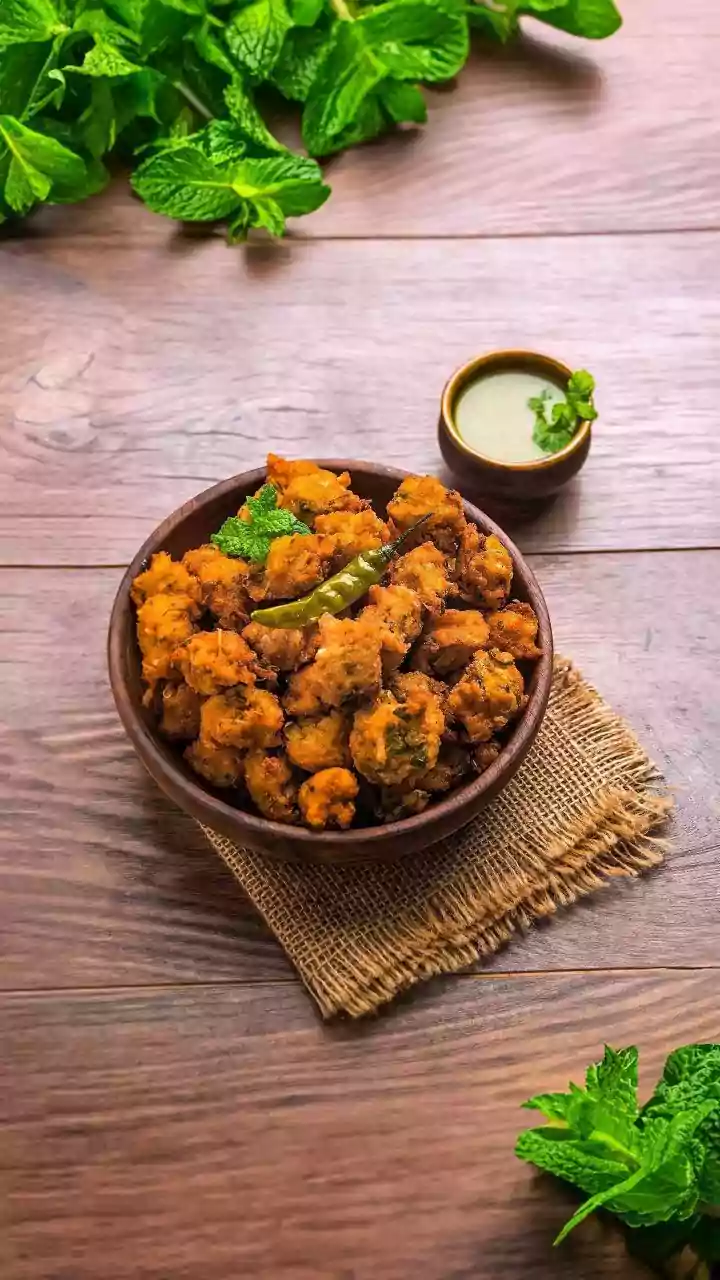
Walk into any monsoon-themed food festival, and you’re likely to find a familiar cast of characters. There will be endless varieties of pakoras, bhajiyas, and samosas. Alongside them, you'll see masala chai, corn on the cob (bhutta), and perhaps some
momos. Increasingly, these Indian staples share space with international comfort foods like pasta, burgers, and hot chocolate. While there is nothing wrong with these dishes, their dominance points to a larger issue: a lack of imagination and a missed opportunity. These festivals, meant to celebrate the unique culinary landscape of the season, often end up as commercialised, homogenous events that could be held at any time of the year. They prioritise what is popular and 'Instagrammable' over what is authentic and seasonal, failing to capture the true gastronomic spirit of the Indian rains.
India’s Overlooked Monsoon Pantry
What these festivals ignore is the incredible bounty that the monsoon brings to different parts of the country. This is the season for foraging and for unique vegetables that only appear for a few months. In Maharashtra and along the Konkan coast, kitchens come alive with preparations of colocasia leaves (patrode or alu vadi) and wild greens like phodshi. In the Himalayan foothills, it's the season for wild mushrooms, each with a distinct, earthy flavour. Southern states celebrate with dishes made from jackfruit seeds, while river fish become plentiful in the east, leading to a variety of seasonal curries. These ingredients are not just food; they are a direct connection to the land and the season. A festival that truly honours the monsoon would move beyond the deep-fried staples and introduce urban audiences to these hyperlocal treasures, offering a taste of something genuinely special and transient.
More Than a Meal, It's a Story
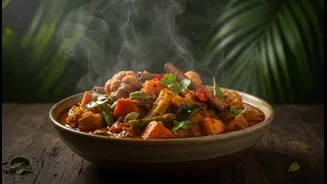
Every regional dish tells a story. It speaks of a community's history, its agricultural practices, and the ancestral wisdom of eating with the seasons. A dish like pithla bhakri from rural Maharashtra isn’t just a simple chickpea flour curry; it’s a rustic, nourishing meal born of necessity and perfected over generations. Manipuri Chak-Hao Kheer, made from the region's unique black rice, carries the fragrance and flavour of the land. By focusing only on a handful of pan-Indian snacks, food festivals strip away this vital cultural context. They present food as a mere commodity, devoid of narrative. A new generation of Indian chefs is already pushing back, building menus and entire restaurant concepts around regional ingredients and lost recipes. They understand that authenticity and storytelling are what make a dining experience memorable and meaningful. It's time for food festivals to follow their lead.
A Blueprint for Better Festivals
So, what would a better monsoon food festival look like? It would be an event curated with intent. Instead of just gathering random food trucks, organisers would seek out home cooks, regional specialists, and chefs who are passionate about seasonal produce. There would be stalls dedicated to the cuisines of a specific region, showcasing how different communities celebrate the rains. Imagine a corner for Bengali Khichuri and Bhaja, another for Keralan Ada Pradhaman, and a third for the foraged greens of the Western Ghats. These festivals could host workshops on identifying local vegetables or tell the stories behind the dishes being served. This approach would not only be more exciting for attendees but would also provide a platform for smaller, regional culinary talents to shine, creating a richer, more diverse food culture for everyone. Pop-ups and chef-led events are already proving there is an appetite for this kind of deep dive into India's regional kitchens.