


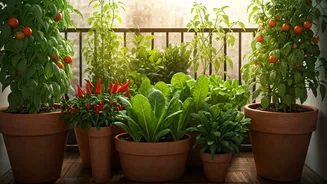


1. Perfect Your Potting Mix
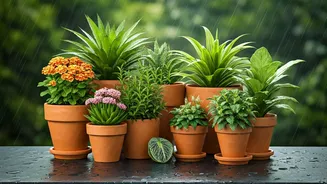
The single most important factor for monsoon success is drainage. Standard garden soil becomes heavy and waterlogged when soaked, suffocating your plant's roots. Before the rains begin, repot your precious plants in a lighter, well-draining mix. A foolproof
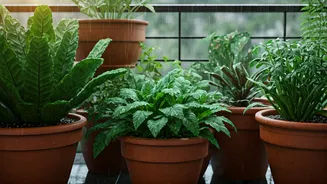
recipe is one part garden soil, one part cocopeat or compost, and one part sand or perlite. This combination holds enough moisture for the plant but allows excess water from daily downpours to flow right through. If repotting seems like too much work, you can gently aerate the top few inches of your existing soil with a small trowel to improve drainage.
2. Check the Drainage Holes
It sounds obvious, but it’s a common mistake. Over time, the drainage holes at the bottom of your pots can get clogged with compacted soil or roots. Before the monsoon sets in, gently tip your pots and use a stick or screwdriver to clear any blockages. Ensure there are enough holes for the size of the pot. If a pot has only one tiny hole, consider carefully drilling a few more. This simple check prevents your pot from turning into a miniature swamp where root rot can quickly set in.
3. Elevate Your Pots
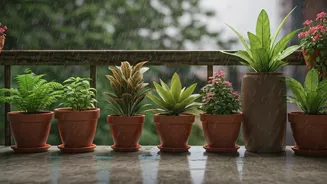
Never let your pots sit directly on the floor of your balcony or terrace, especially in a saucer that collects water. When it rains heavily, water can pool around the base, blocking the drainage holes. The easiest solution is to place your pots on pot stands, bricks, or even simple bottle caps. This small lift of just an inch or two creates an air gap underneath, allowing water to drain away freely and air to circulate around the roots. It’s a low-effort, high-impact trick to prevent waterlogging.
4. Adjust Your Watering Schedule
Your plants are getting a daily drink from the sky, so you need to retire your watering can for a while. Overwatering is the number one plant killer during the monsoon. Don’t water your plants on autopilot. Instead, check the soil first. Stick your finger about an inch or two into the soil. If it feels damp, your plant does not need more water. Only water manually if the topsoil feels dry to the touch, which might happen during a dry spell between rainy days. For indoor plants near a window, be especially cautious as they receive less direct rain but experience higher humidity.
5. Prune for Better Airflow
The damp, humid conditions of the monsoon are a perfect breeding ground for fungal diseases and pests. To combat this, give your plants a light haircut. Pruning overgrown or dense foliage improves air circulation around the leaves and stems, allowing them to dry faster after a shower. Remove any yellowing, dead, or diseased leaves immediately to prevent problems from spreading. This also encourages the plant to focus its energy on new, healthy growth.
6. Be a Pest Detective
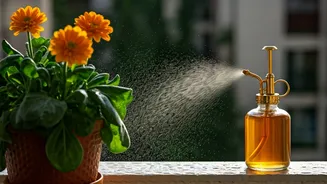
Slugs, snails, and various fungal infections love the monsoon. Make it a habit to inspect your plants every couple of days, checking the undersides of leaves and the surface of the soil. You can hand-pick larger pests like slugs. For fungal issues like powdery mildew, a simple and organic solution is a neem oil spray. Mix a few drops of neem oil and a drop of liquid soap in a litre of water and spray it on the affected plants once a week as a preventive measure. Acting fast is key to keeping your plants pest-free.
7. Choose Monsoon-Loving Plants
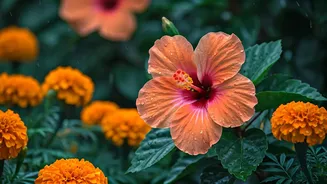
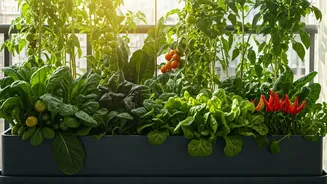
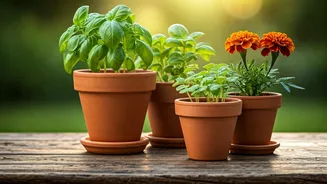
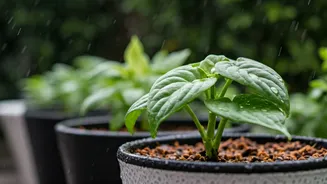
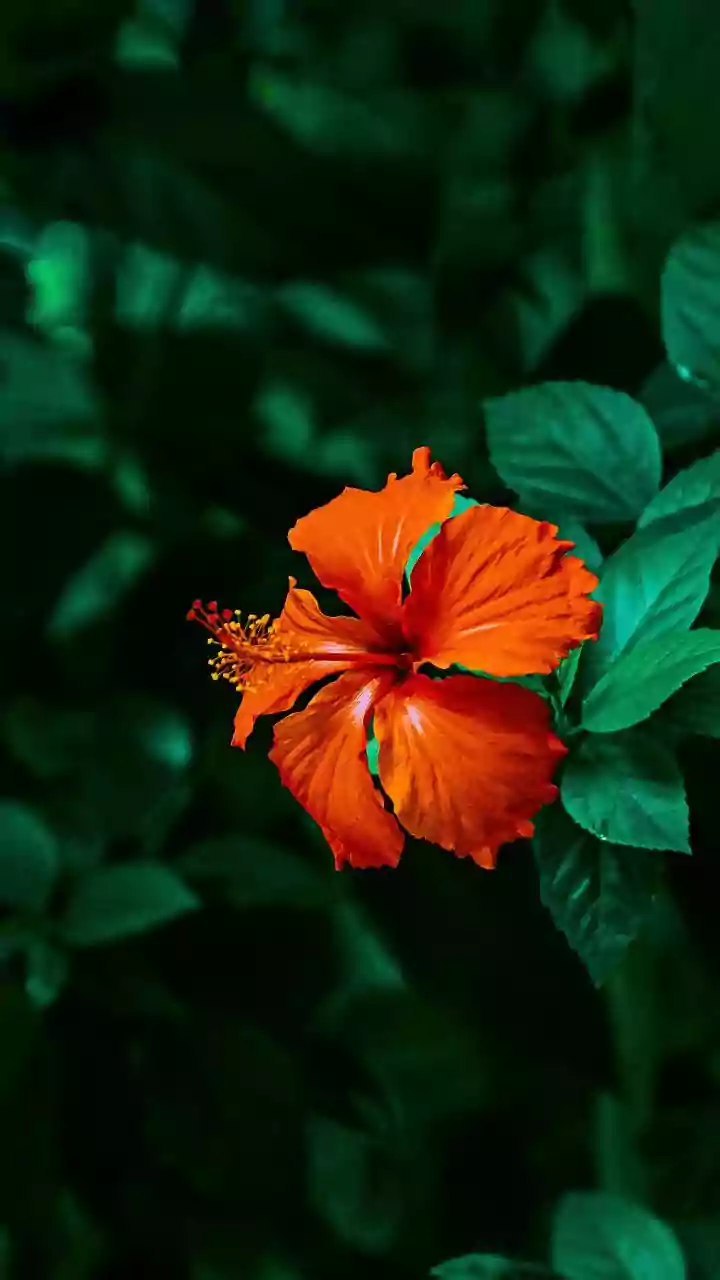
While you can protect your existing plants, the monsoon is also a fantastic time to add new ones that thrive in these conditions. Consider hibiscus, balsam (impatiens), petunia, cosmos, and zinnias for vibrant flowers. If you love foliage, caladiums and coleus will add a spectacular splash of colour. For your kitchen garden, this is a great season for herbs like mint and basil, and vegetables like chilli, brinjal, and okra. Choosing plants that are naturally suited to the climate will make your gardening journey much easier and more rewarding.