



Book Sooner Than You Think
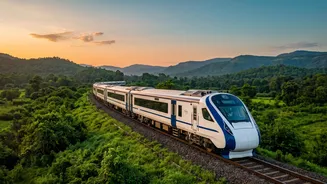
The single most important rule for festival travel is to book far in advance. For train journeys, the booking window typically opens 120 days ahead of your travel date. For popular festivals like Diwali or Dussehra, tickets on key routes can get waitlisted
within minutes of the window opening at 8:00 AM. Set a calendar reminder for the exact date and be ready. For flights, prices surge dramatically as festivals approach. Booking at least six to eight weeks in advance is recommended for better fares, especially on busy domestic routes. Don't forget to book your return journey at the same time; it's often overlooked and can leave you stranded. If you miss the initial window, keep an eye out for special festival trains that Indian Railways often announces to handle the extra rush.
Rethink Your Route and Mode
The most direct route isn't always the smartest. If the train from your city is fully booked, consider alternative strategies. One option is to book a ticket to a major intermediate station and then another from there to your final destination, as this can sometimes yield confirmed seats. Another tactic is to fly to a nearby, less crowded airport and cover the remaining distance by a pre-booked taxi. This can be more predictable than braving the main travel arteries. Also, consider your mode of transport. While trains are the backbone of Indian travel, inter-city buses, especially premium sleeper services, can be a reliable backup. Private vehicles offer flexibility but can get stuck in festival-related traffic.
Mastering the Art of the Transfer
The journey doesn't end when your train or flight arrives. Navigating the transfer from a major station or airport to your final destination is a critical, often chaotic, part of the trip. During festival season, assume that local transport will be under immense pressure. Pre-booking app-based cabs or local taxis is essential, as finding one on the spot can be nearly impossible and fares will be inflated. When arriving in a metro city like Delhi or Mumbai, use the metro network to bypass city traffic and get closer to your destination before switching to a cab for the last mile. Always factor in a generous buffer—at least two to three hours—for any connection, whether it's between two trains or a flight and a train. Delays are the norm, not the exception, during the festive rush.
The Smart Arrival and Departure Strategy
Timing is everything. Arriving on the day of the festival itself is often a stressful experience. Roads are at their most congested, and local services are stretched thin. A much better strategy is to plan your arrival at least one or two days before the main festivities begin. This allows you to settle in, avoid the peak travel crush, and even enjoy the pre-festival preparations. Similarly, try to travel on weekdays like a Tuesday or Wednesday, which can sometimes have slightly lower demand than weekends. Flying on the day of Diwali itself can sometimes be cheaper, as most people want to be at their destination beforehand. For departures, try to leave a day or two after the festival concludes to avoid the mass exodus.
Pack Light and Stay Prepared
Navigating a crowded Indian train station or bus stand with heavy luggage is a nightmare. Pack as light as you can. A backpack or a small, easy-to-maneuver suitcase is far better than multiple large bags. Beyond clothing, pack for the journey itself. A power bank is a lifesaver, as charging points on trains are always in high demand. Carry essential snacks and a water bottle, as platform vendors can be overwhelmed. Keep your tickets, ID, and valuables in a secure, easily accessible bag. While the focus is on getting there, ensuring your journey is comfortable and your belongings are safe will significantly reduce the stress of festival travel.