



More Than Nine Nights of Worship
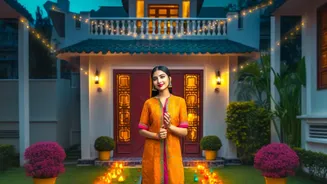
Sharad Navratri has always been one of India's most significant festivals, celebrating the victory of good over evil through nine nights of devotion to Goddess Durga. But in 2026, the festival, running from October 11th to 19th, is much more than a period
of prayer and fasting. It has blossomed into a powerful economic and social engine that sets the calendar for individuals and industries alike. Retailers and brands now build their entire fourth-quarter strategy around this window, often starting preparations weeks or even months in advance. For millions, the festival now dictates social calendars, shopping trips, and investment decisions, turning the whole of October into a hive of activity.
The Garba Glamour Economy
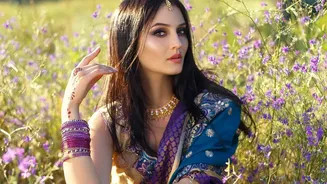
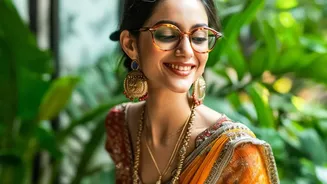
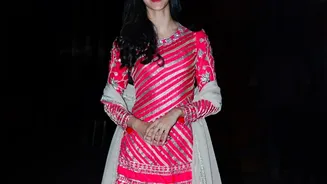
Nowhere is this shift more visible than in fashion. The demand for Navratri attire has created a mini-economy of its own. Planning what to wear is a major part of the celebration, with specific colours assigned to each of the nine nights. For 2026, designers are blending traditional crafts like mirror work, Gamthi embroidery, and Bandhani with contemporary silhouettes. Trends include lightweight chaniya cholis in georgette and cotton for hours of comfortable dancing, layered outfits with detachable jackets, and a colour palette that moves beyond traditional reds to include ivory, pastels, and deep jewel tones. This has also caught the attention of global luxury brands, who are incorporating Indian craft into their collections, sometimes leading to conversations about cultural appreciation and attribution. Retailers report that shoppers begin planning their looks months in advance, making it a critical sales period.
A Feast Beyond Traditional Fasting
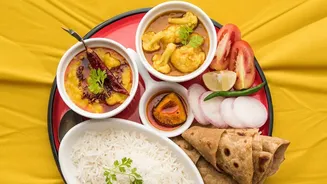
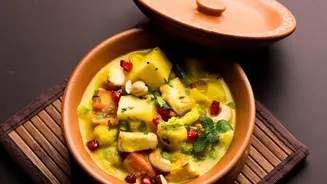
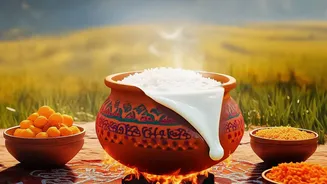
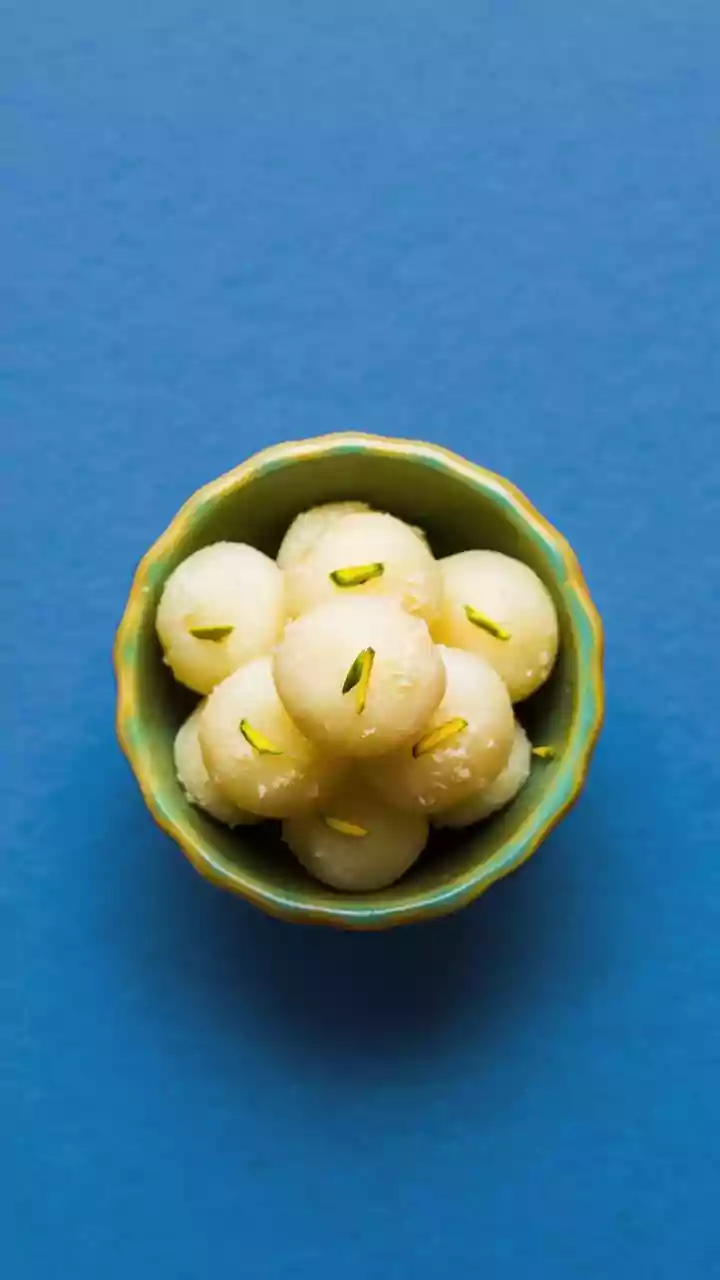
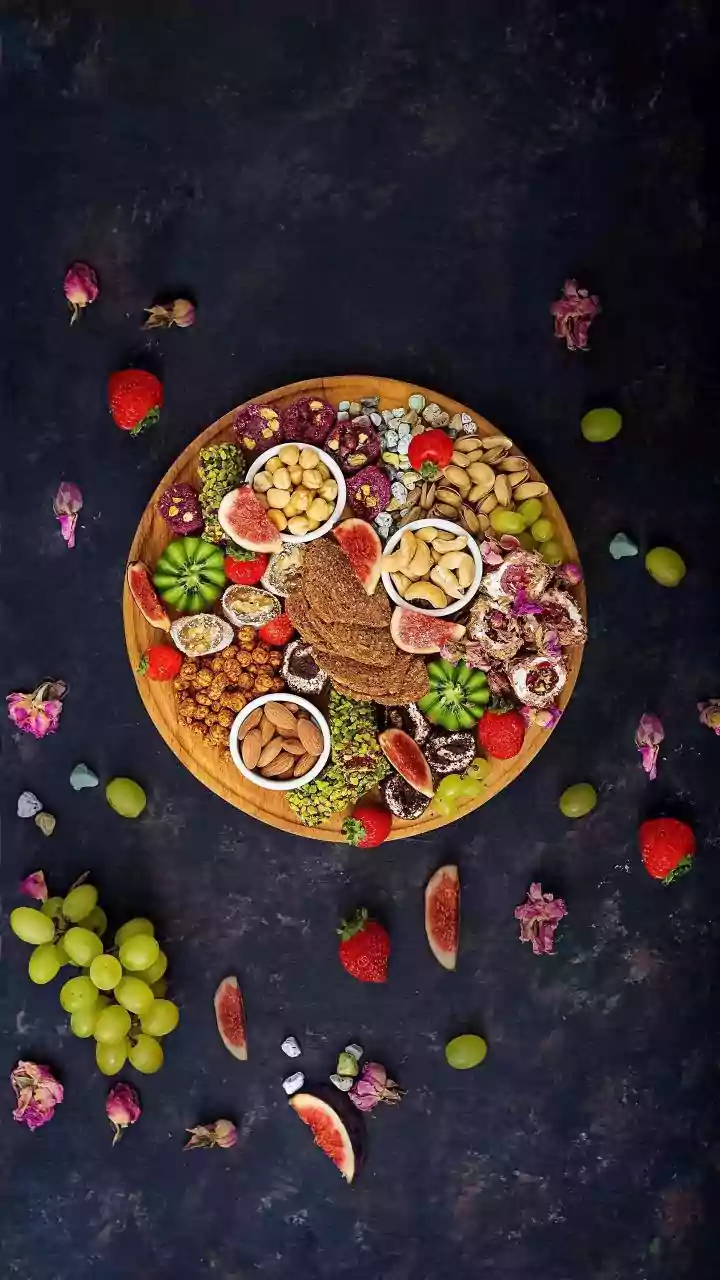
Navratri's culinary landscape is also expanding dramatically. While traditional vrat (fasting) foods like sabudana khichdi, kuttu ki poori, and samak rice pulao remain staples, there's a growing appetite for innovation. Many devotees now look beyond the usual to try dishes like rajgira parathas, sweet potato tikkis, and makhana-based curries. Recognizing this, restaurants, cloud kitchens, and food delivery platforms now roll out elaborate Navratri-special menus. These menus cater to both devout observers with strict no-onion, no-garlic rules and those who simply want to partake in the festive food culture. This commercial response transforms the fast into a feast, making it an exciting time for food exploration.
An Engine for Commerce and Community
The festival's influence extends deep into the business world. FMCG companies increase supplies by up to 30% in anticipation of heightened demand. Brands across sectors, from jewellery and apparel to electronics and fintech, launch targeted advertising campaigns during this window. The festive season, kicking off with Navratri, is seen as a crucial period for driving sales, with consumer demand hitting a five-year high in 2026 across categories like cars, appliances, and apparel. Beyond commerce, Navratri is a major anchor for community events. Large-scale Garba and Dandiya nights are organized in cities across India and among the global diaspora, becoming major social gatherings. These events require months of planning, cementing the festival's role as a key date in the annual community calendar.