

A New Era in Low Earth Orbit
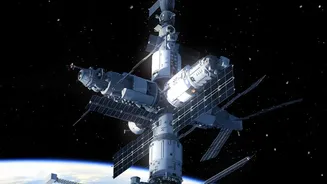
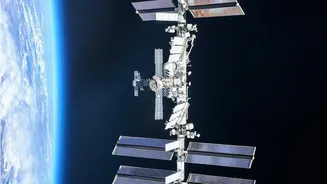
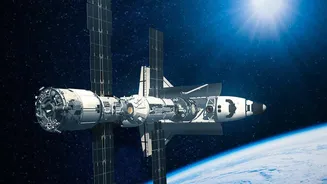
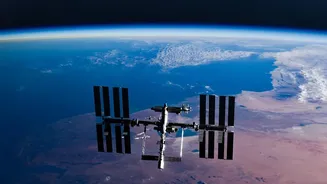
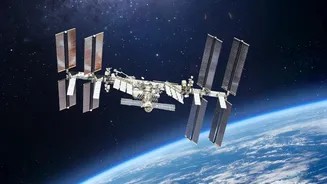
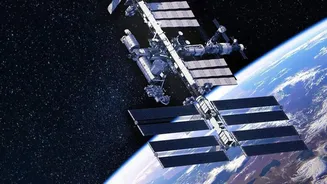
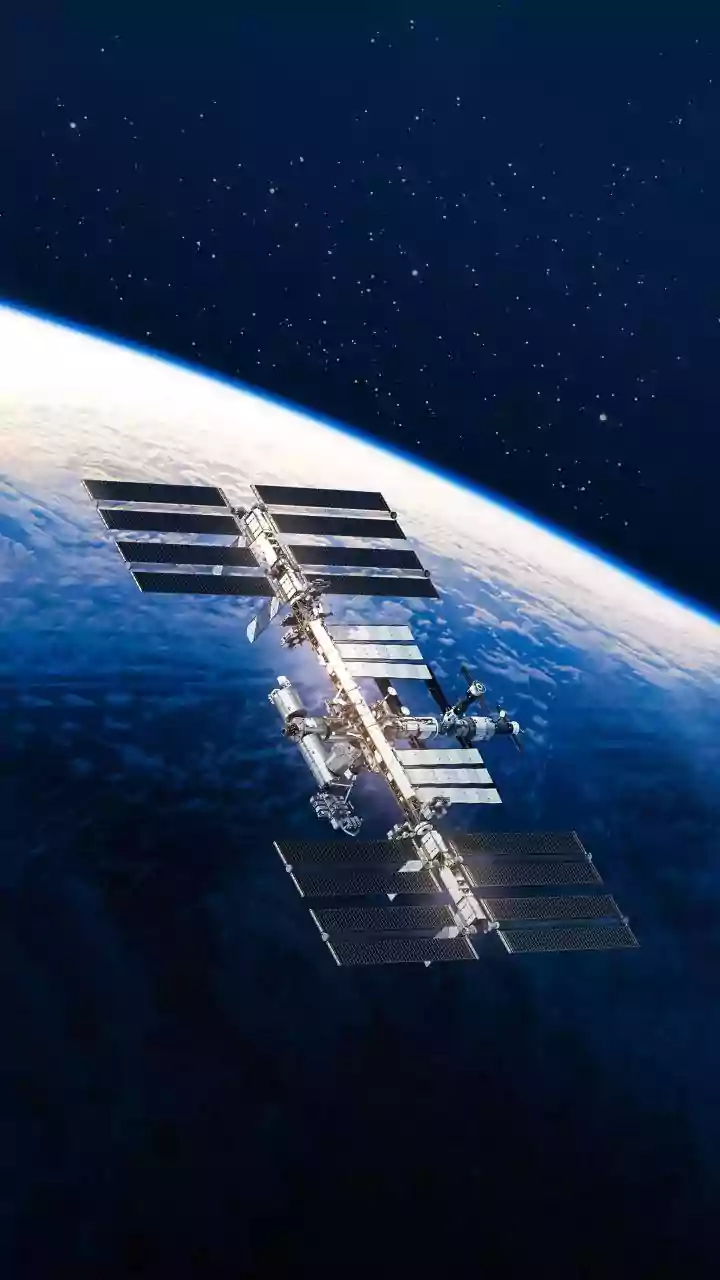
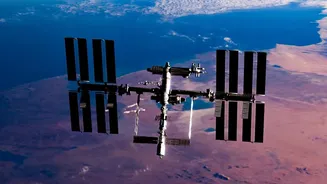
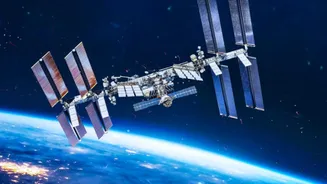
With the International Space Station (ISS) set to be decommissioned around 2031, a new space race is heating up. This time, it’s not between superpowers but among private companies. Ventures like Axiom Space, Blue Origin's Orbital Reef, and the Starlab
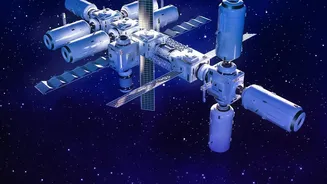
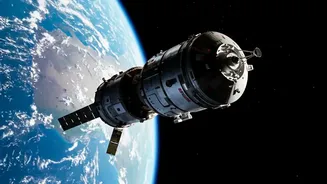
project are rushing to build the next generation of space stations. These aren't just government-funded science labs; they are envisioned as commercial hubs in low Earth orbit. NASA is actively encouraging this shift, providing funding and acting as an anchor tenant for these future platforms. The goal is to create a seamless transition from the ISS era to a new commercial ecosystem, preventing a gap in humanity's continuous presence in space.
The 'Mixed-Use Business Park' Model
The key to making these ambitious projects financially viable is a diversified business model. Blue Origin explicitly calls its Orbital Reef concept a "mixed-use business park" in space. This approach relies on two major revenue streams: professional astronauts conducting scientific research and high-paying space tourists seeking the adventure of a lifetime. Government agencies like NASA and the European Space Agency (ESA) provide a stable, long-term customer base for research and development. Meanwhile, tourism offers a high-margin business that can attract significant private investment. By serving both markets, these companies hope to create a self-sustaining economic ecosystem far above the Earth.
Designing for Dual Use
So, how do you prevent a tourist’s selfie stick from interfering with a delicate microgravity experiment? The answer lies in careful design and operational planning. Most proposed stations use a modular design. This allows for dedicated zones: one module for cutting-edge research and another for habitation and tourism. Axiom Space, for example, hired renowned designer Philippe Starck to create comfortable, even luxurious, interiors for its habitation modules, complete with large viewing windows and soft, inviting surfaces. These tourist-focused areas would be physically separate from the functional, sterile environments of the laboratories. Think of it as a research institute with an attached five-star hotel—both sharing the same foundation but with very different internal operations.
The Logistical Challenge
Keeping these two distinct groups operating smoothly in a confined, high-risk environment is a monumental task. The professional crew will be responsible for station maintenance, safety, and managing complex scientific payloads. Tourists, even with extensive pre-flight training, will require constant supervision and support. Schedules will need to be meticulously planned to manage shared resources like power, life support, and crew time. There are also significant regulatory and liability questions that need to be addressed. The first all-private missions to the ISS, organized by Axiom, served as early test cases, revealing the complexities of integrating commercial activities with ongoing scientific operations. Success will depend on robust protocols that ensure the integrity of research while providing a safe and unforgettable experience for visitors.
An Orbital Ecosystem with an Indian Connection
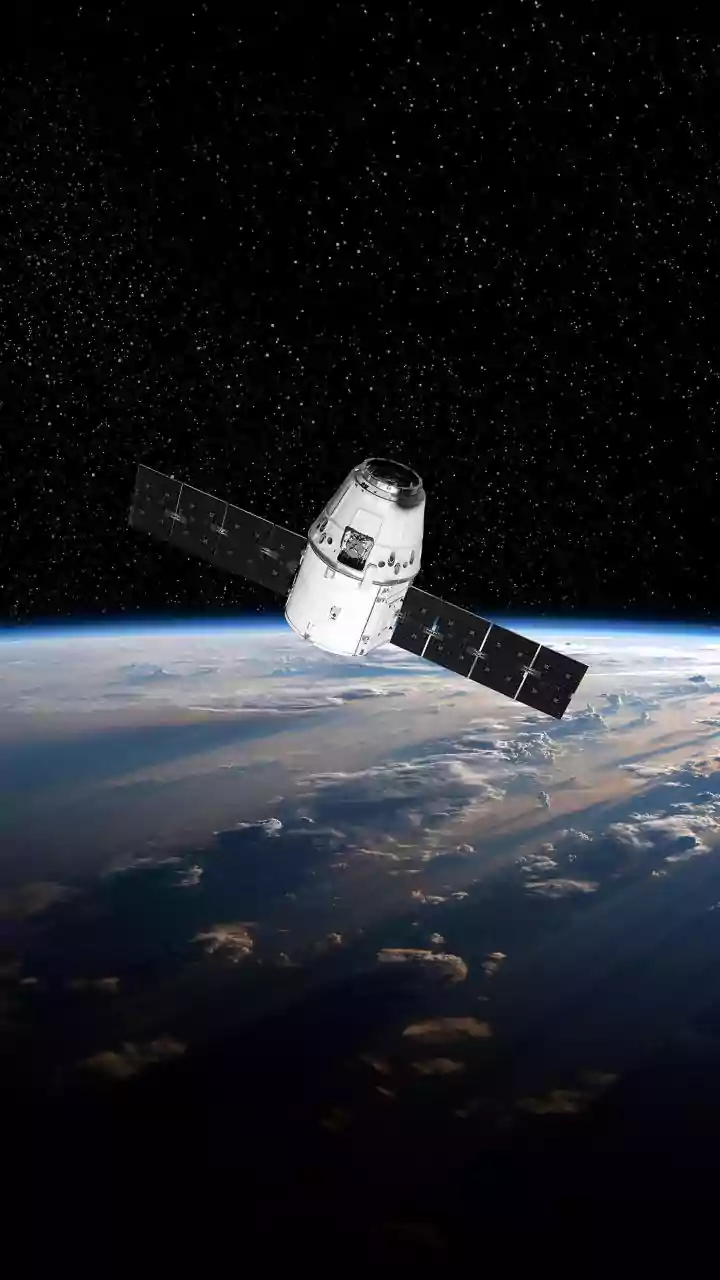
The vision for these stations extends beyond just labs and hotels. Companies see them as future logistics hubs, manufacturing centres, and even connecting points for deeper space travel. This emerging orbital economy presents opportunities for nations worldwide. For India, the connections are already being explored. In 2023, ISRO's chairman noted that Blue Origin was keen on potentially using an Indian launch vehicle as a crew capsule to service its Orbital Reef station. As India progresses with its own ambitious space programs, including the Gaganyaan human spaceflight mission, the prospect of Indian astronauts and researchers working aboard these commercial outposts becomes increasingly plausible, marking a new chapter of international collaboration in the final frontier.