




Nature’s Automatic Watering Can
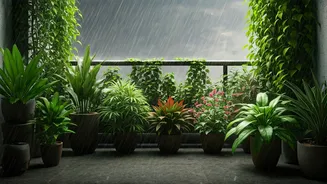
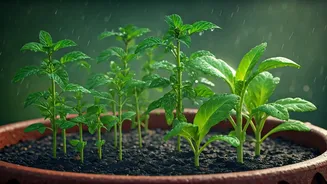
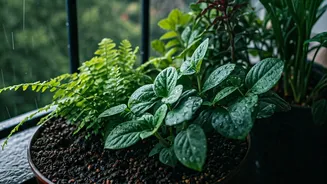
The most obvious, yet most significant, advantage of monsoon gardening is the free and consistent watering. Forgetting to water your plants is no longer a crisis. The regular rainfall provides deep, thorough hydration that encourages strong root development,
something that can be difficult to replicate with a watering can. This natural irrigation system saves you time, effort, and water bills. The high humidity in the air also means less water is lost from the leaves, keeping plants looking fresh and vibrant. This constant moisture is exactly what many fast-growing vegetables need to get a strong start, making the entire process feel less demanding for beginners and experienced gardeners alike.
Choosing Your Monsoon Champions
Not all vegetables are created equal when it comes to handling heavy rain. The key is to choose varieties that thrive in damp, humid conditions. Leafy greens are a fantastic choice; spinach (palak), amaranth (chaulai), and fenugreek (methi) grow vigorously. This is also the perfect season for many gourds. Bottle gourd (lauki), ridge gourd (turai), and bitter gourd (karela) will flourish, especially if you give them a trellis to climb. Other excellent monsoon options include okra (bhindi), which loves the moisture, along with various types of beans like cluster beans and French beans. Root vegetables like radish (mooli) and turmeric (haldi) also do exceptionally well, as the soft, moist soil allows them to expand easily.
The Secret is in the Soil
While rain is a benefit, too much of a good thing can lead to waterlogged soil, which suffocates roots and causes rot. This is the single biggest challenge of monsoon gardening, but it's easily managed with proper preparation. Before planting, ensure your potting mix is light and well-draining. A simple and effective mix combines equal parts garden soil, compost, and a material that improves aeration, such as cocopeat (coconut coir) or coarse sand. This allows excess water to drain away freely. Furthermore, always use pots with ample drainage holes at the bottom. If you're using grow bags, you can poke a few extra holes along the lower sides to help prevent water from pooling and creating a swampy environment for your plant's roots.
Guarding Against Pests and Fungi
The damp and humid conditions that plants love are also a breeding ground for fungal diseases and pests like slugs and snails. But don’t let that discourage you. Proactive care is simple and effective. Ensure there is good air circulation around your plants by not overcrowding your pots. This helps leaves dry faster, reducing the risk of fungal issues like powdery mildew. To combat common pests, a simple, organic solution is a neem oil spray. Mix a few drops of neem oil and a mild liquid soap with water and spray it on the leaves every 10-15 days as a preventative measure. Regularly check the undersides of leaves for any signs of infestation and remove any affected parts immediately to stop problems from spreading.
Provide Support for Rapid Growth
Many monsoon-friendly vegetables, especially the gourds and beans, are climbers. They grow incredibly fast during this season and will need support to stay healthy and productive. Setting up a simple trellis, a few bamboo stakes, or even a network of strings is crucial. Providing vertical support keeps the delicate vines, leaves, and fruit off the wet ground, which dramatically reduces the risk of rot and disease. It also ensures the plant gets better access to sunlight and air circulation, leading to a more abundant harvest. Setting up this support structure early on gives the plant something to grab onto as it grows, saving you from having to untangle a messy jungle of vines later.