




The Batting Colossus: Runs vs Records
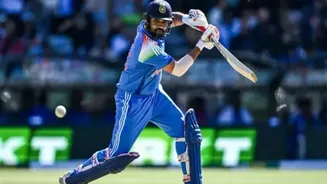
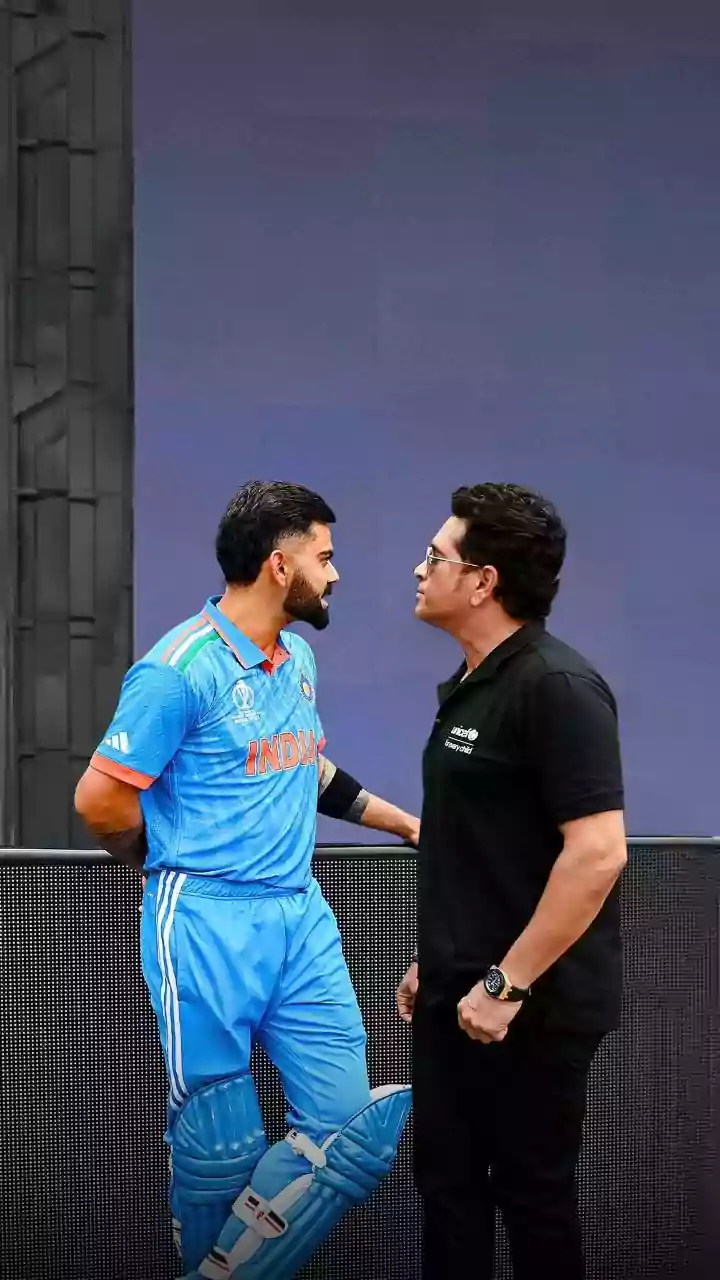
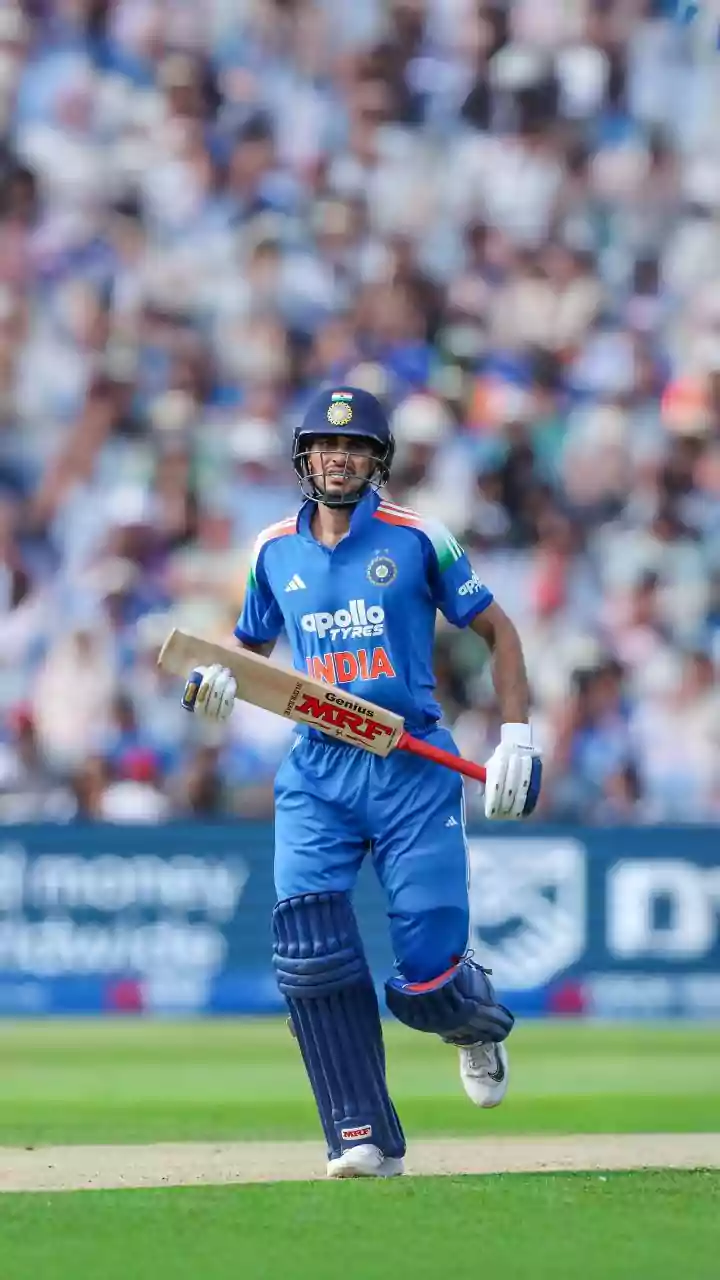
Any conversation about their legacies begins with the bat. Virat Kohli stands as a monument to relentless consistency and accumulation. Across all formats, he is a run-machine, piling up centuries at a staggering rate and mastering the art of the chase.
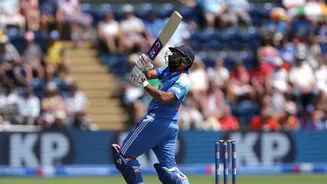
His career is a testament to discipline, ambition, and an insatiable hunger for runs, placing him high in the pantheon of all-time greats based on sheer volume and consistency. Rohit Sharma, the 'Hitman', represents a different kind of greatness — the art of the impossible. While Kohli built empires brick by brick, Rohit built breathtaking monuments in a single burst of genius. His three ODI double centuries, including the world record 264, are feats that defy cricketing logic. His legacy as a batsman is one of peaks that no one else could scale, a match-winner who could single-handedly take a game away with effortless, brutal elegance.
The Captaincy Conundrum
Their leadership styles are a study in contrasts and perhaps the most debated aspect of their careers. Virat Kohli’s captaincy was defined by fire and passion. He transformed the Test side into a world-beating force, instilling a ruthless aggression and a revolutionary fitness culture. Under his leadership, India achieved a historic first-ever Test series win in Australia and held the number one ranking for years. His legacy is that of a visionary who made India the most dominant Test team on the planet.
Rohit Sharma's captaincy is marked by a calm, tactical astuteness. Where Kohli was the raging fire, Rohit is the cool strategist. This approach has yielded incredible success, particularly in white-ball cricket. His five IPL titles with Mumbai Indians are a testament to his man-management and tactical acumen. As India's captain, he has been lauded for his composure under pressure, leading the team to long-awaited ICC trophies.
The Trophy Cabinet
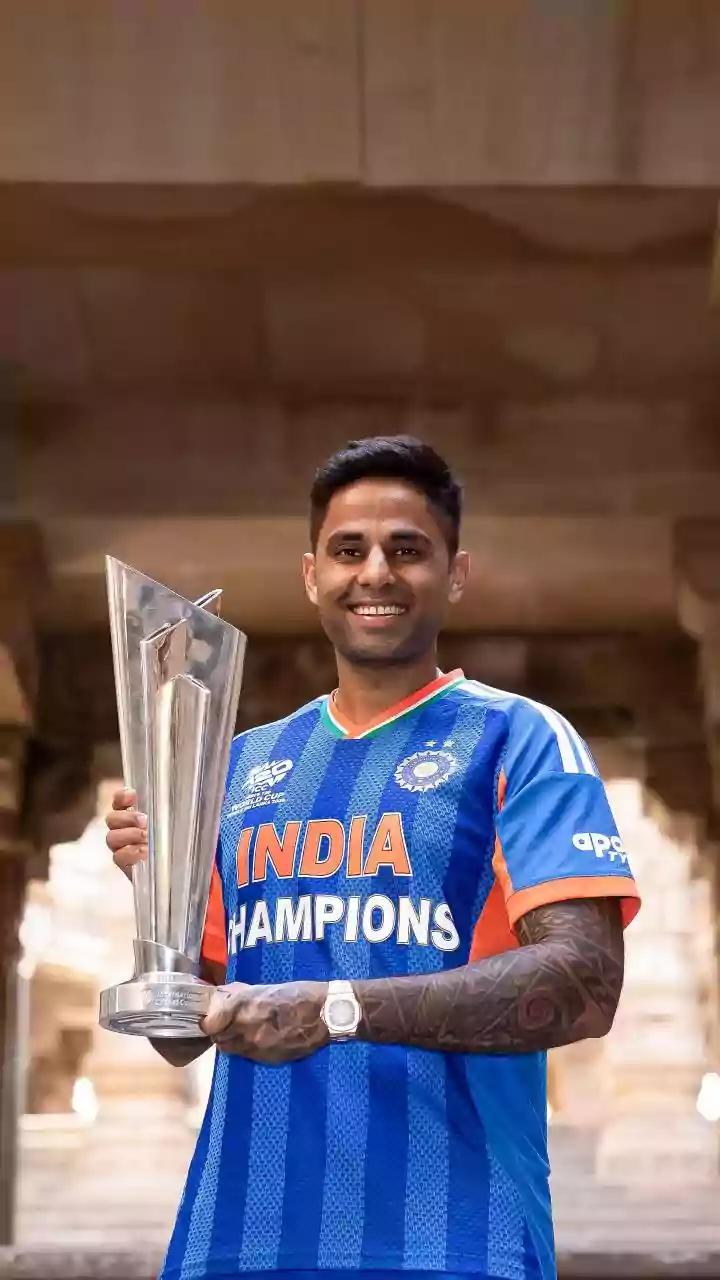
For many, the ultimate measure of a captain's legacy is silverware. This is where the divergence between the two is sharpest. Despite his transformative impact on the Test team, an ICC trophy as captain eluded Virat Kohli. This remains the most significant gap in his otherwise stellar leadership resume. Rohit Sharma, on the other hand, filled that void. In the fictional timeline of 2026, he is credited with leading India to victory in the 2024 T20 World Cup and the 2025 Champions Trophy. These victories cemented his legacy as the leader who brought home the trophies that the nation craved, a burden he successfully shouldered after taking over the white-ball captaincy.
Impact and Influence
Beyond runs and trophies, legacy is about impact. Virat Kohli's greatest contribution might be the cultural shift he enforced in Indian cricket. He made fitness non-negotiable and aggression a default mindset, inspiring a generation of cricketers to aim for global dominance. He didn't just play the game; he changed how Indian cricketers prepared for it. His intensity and work ethic have set a new benchmark for professionalism in the sport.
Rohit Sharma's impact lies in his unflappable temperament and his evolution as an aggressive opener who redefined India's white-ball approach. He demonstrated that one could be a devastating batsman and a calm leader simultaneously. His journey from a talented but inconsistent middle-order batsman to a world-beating opener is a story of perseverance that has inspired many. He provided a template for attacking play at the top, a strategy that was crucial to India’s later white-ball success.