



The Rise of the Good Loaf
Not long ago, bread for most Indian households meant soft, sliced loaves from a local grocer or the daily stack of homemade rotis. Today, that picture is changing dramatically. A growing wave of passionate home bakers are turning their attention to breads
that demand more skill, patience, and technique. We’re talking about crusty sourdoughs, glossy brioches, and airy focaccias, all emerging from domestic ovens. This shift was significantly accelerated by the pandemic-era baking boom, which introduced many to the joys of creating something from scratch. But what started as a lockdown hobby has matured into a genuine culinary movement, driven by a desire for better quality, cleaner ingredients, and the sheer satisfaction of mastering a craft.
Sourdough: The Poster Child of the Trend
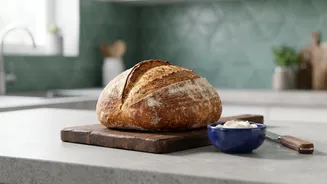
At the heart of this revolution is sourdough. Unlike breads made with commercial yeast, sourdough relies on a 'starter'—a living culture of wild yeast and bacteria that you feed and nurture. This slow fermentation process does more than just leaven the bread; it unlocks complex, tangy flavours and creates a satisfyingly chewy texture. Indian bakers are not just replicating Western recipes; they're infusing them with local character, incorporating ingredients like millet flours and familiar spices. The appeal of sourdough goes beyond taste. It’s seen as a healthier, more digestible alternative to commercial bread because the long fermentation helps break down gluten. For many, nurturing a starter is a rewarding ritual, connecting them more deeply to their food.
Unlocking Softer Breads with Tangzhong
While sourdough is about achieving a crusty, open crumb, another technique is being used to create incredibly soft breads that stay fresh for days. Enter Tangzhong, a method with Japanese and Chinese roots that is quietly gaining fans in Indian kitchens. The technique involves cooking a small portion of the recipe's flour and liquid (water or milk) into a thick paste or roux before adding it to the main dough. This simple pre-cooking step gelatinises the starches in the flour, allowing them to absorb more moisture. The result is a bread with a remarkably soft, fluffy texture and a longer shelf life, all without the need for preservatives. It’s the secret behind pillowy-soft milk breads, dinner rolls, and even stuffed buns that rival anything from a professional bakery.
Why the Shift, and Why Now?
Several factors are fueling this trend. The internet and social media have played a huge role, making specialised knowledge accessible to everyone. Instagram feeds and YouTube tutorials demystify complex processes, while online communities provide support and inspiration for novice bakers. There is also a growing health consciousness and a distrust of preservatives found in mass-produced foods. By baking at home, people have complete control over their ingredients. Furthermore, the availability of better equipment—from stand mixers to Dutch ovens, which trap steam to create bakery-style crusts—has empowered home cooks to achieve professional-level results. This informed consumer is no longer satisfied with just any bread; they appreciate the process and are willing to invest time and effort into quality.
A Modern Twist on Indian Classics
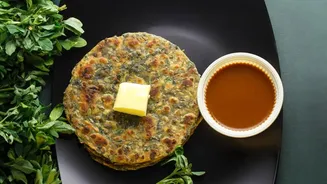
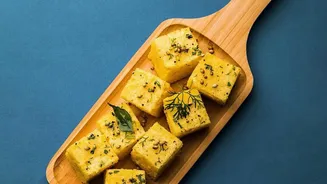
This embrace of global techniques isn't just about baking Western-style loaves. Creative Indian cooks are applying these methods to traditional breads, giving them a modern upgrade. Fermentation isn't new to Indian cuisine, with staples like idli, dosa, and dhokla relying on similar principles. This inherent understanding has made the leap to sourdough feel natural. Home cooks and chefs are now experimenting with sourdough starters to create softer, tangier kulchas and naans that reheat beautifully. Imagine a naan with the slight tang and chewy texture of a great sourdough, or an appam made fluffier with advanced hydration techniques. It’s a delicious fusion of tradition and innovation, proving that the modern Indian kitchen is a place of exciting culinary exploration.