




The New Frontier: A Multi-Disciplinary Universe
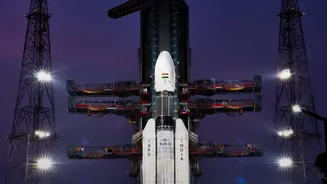
For decades, a career in India's space programme was synonymous with the Indian Space Research Organisation (ISRO). Today, the landscape is dramatically different. The government's decision to open up the space sector has led to a surge in private companies
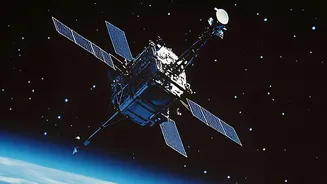
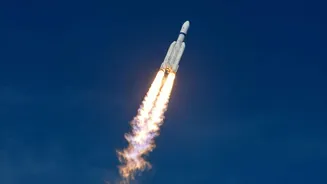
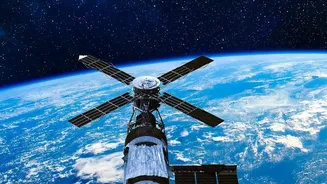
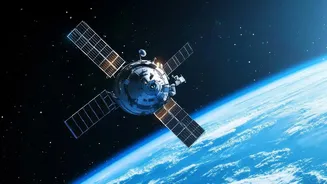
building everything from launch vehicles to satellite constellations. This expansion, facilitated by the regulatory body IN-SPACe, means the demand for talent has exploded, and it's not just for rocket scientists. Modern space missions are complex operations that rely heavily on software, data, electronics, and robust mechanical systems, opening doors for graduates from numerous fields.
Computer Science and IT: The Digital Backbone
Software is at the heart of modern space exploration. ISRO and private startups alike have a massive need for computer science and IT professionals. Roles include developing flight software for rockets and satellites, creating simulation software for mission testing, managing vast ground station networks, and ensuring cybersecurity for critical space assets. Furthermore, the field of satellite data analysis is growing rapidly. Companies use data from Earth observation satellites for applications in agriculture, climate monitoring, and urban planning, creating demand for engineers skilled in data science, artificial intelligence, and machine learning. Key programming languages often include C++, Python, and Java.
Mechanical and Electrical Engineering: The nuts and bolts
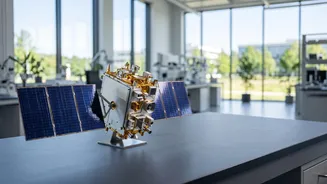
While aerospace engineers design the overall vehicle, mechanical engineers are crucial for countless subsystems. They work on the structural design of satellites and rockets, develop engine components, design fabrication processes, and conduct vital structural and vibration testing. Electrical engineers are equally indispensable. They are responsible for the power systems that keep satellites and spacecraft operational, designing and managing everything from solar panel deployment to battery storage and power distribution networks. They also work on control systems and electronic hardware integration.
Electronics and Communication: The Mission's Lifeline
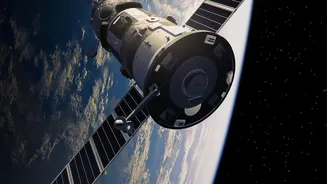
A spacecraft is useless if it cannot communicate with the ground. This is the domain of electronics and communication engineers. They design and build the telemetry, tracking, and command (TTC) systems that allow mission control to monitor and command spacecraft. They also work on developing sophisticated payloads, including communication transponders and scientific sensors. Expertise in radio frequency (RF) systems, antenna design, and signal processing is highly valued in both ISRO and private companies like Dhruva Space and Bellatrix Aerospace.
Science Graduates: Beyond Engineering
You don't necessarily need an engineering degree to contribute. ISRO and related research bodies also hire science graduates. Physicists are needed for research in areas like orbital mechanics and atmospheric sciences. Chemists play a role in developing propellants and new materials. Materials scientists are critical for creating alloys and composites that can withstand the extreme conditions of space. As the private space ecosystem matures, opportunities are also opening up in non-technical roles like program management, finance, and space law.
How to Enter the Industry
For a role as a Scientist/Engineer at ISRO, the primary path is the ISRO Centralised Recruitment Board (ICRB) exam, which is open to graduates in specified disciplines like Computer Science, Mechanical, and Electronics. Candidates typically need a B.E./B.Tech with a minimum of 65% marks. Some recruitment cycles also use GATE scores for shortlisting. The private sector offers a more direct application route. Companies like Skyroot Aerospace, Agnikul Cosmos, and Pixxel regularly post openings for specific roles on their career pages. Building a strong foundation in your core subjects, developing practical skills through projects, and gaining internship experience can significantly boost your profile for both government and private sector opportunities.