
Why Upcycling is the New Black
In an era of fast fashion, making conscious choices is more important than ever. Upcycling, the art of transforming old or discarded materials into something new and beautiful, is a powerful way to embrace sustainability. During festivals like Durga Puja,
which celebrate renewal and homecoming, creating an outfit from a beloved old garment feels especially meaningful. An old silk dupatta—perhaps a Banarasi from your mother’s collection or a Phulkari from a memorable trip—carries stories within its threads. By giving it a new form, you are not just creating a unique garment; you are weaving memories into a modern statement piece, reducing waste, and celebrating your heritage in a truly personal way.
The Timeless Anarkali or Gown
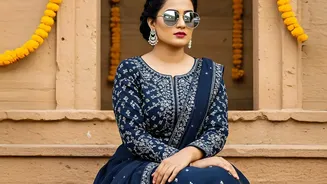
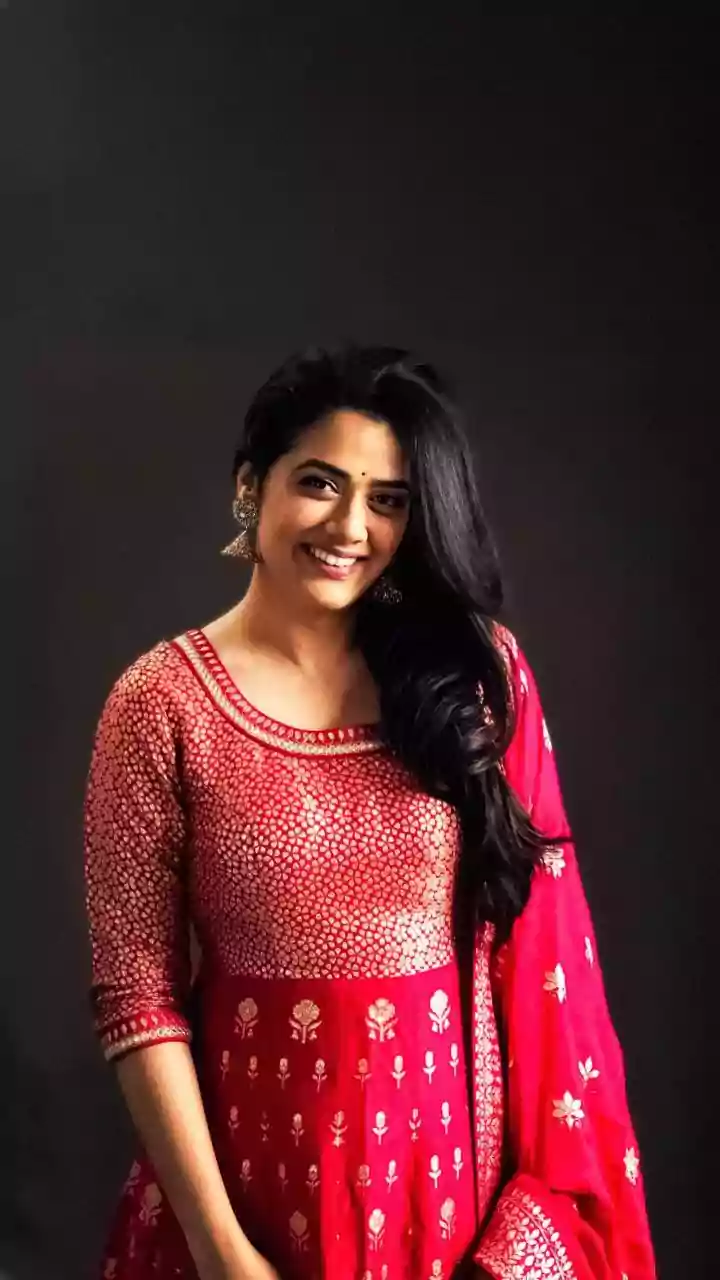
One of the most spectacular ways to repurpose heavy silk dupattas is to craft them into a flowing Anarkali or a floor-length gown. If you have a few dupattas in complementary colours, a skilled tailor can stitch them together as panels (kalis) to create a gorgeously flared silhouette. The rich borders of the dupattas can be cleverly used for the hemline, sleeves, and neckline, ensuring no part of the beautiful fabric goes to waste. Imagine a gown made from a deep maroon Banarasi dupatta, its gold zari border tracing the hem and cuffs. This method works beautifully for creating a regal look perfect for Ashtami or Navami evenings.
Chic Co-ord Sets and Shararas
For a more contemporary twist, transform your silk dupattas into a trendy co-ord set. A single, heavily embroidered dupatta can be fashioned into a stylish crop top and a matching straight-cut palazzo or skirt. This approach is perfect for lighter silks like Chanderi or Kota. Another popular option is a sharara set. The wide-legged pants of a sharara allow the dupatta's print or embroidery to be showcased beautifully. Paired with a simple, solid-coloured kurti or a custom-made top from the same fabric, a sharara made from an old dupatta is both comfortable and incredibly festive, ideal for a long night of pandal hopping.
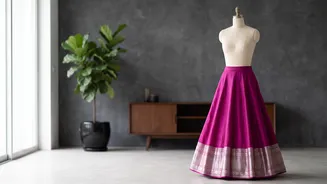
The Statement Lehenga Skirt
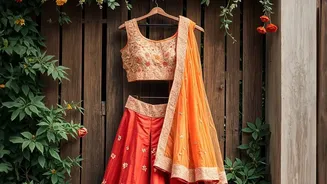
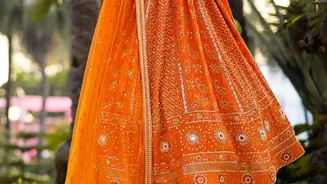
A heavy, ornate dupatta, especially a Banarasi or Kanjeevaram silk, can be converted into a magnificent lehenga skirt. Since a dupatta is typically around 2.5 metres long, it provides just enough fabric for a simple, A-line or panelled skirt. The key is to let the fabric be the hero. Pair the resulting skirt with a contrasting silk blouse or a simple black or gold crop top. This not only creates a stunning, custom-made outfit but is also a budget-friendly way to achieve a high-end look. The pallu or the most intricate part of the dupatta can be strategically placed at the front or form the entire border of the skirt for maximum impact.
Versatile Jackets, Capes, and Shrugs
Layering is a fantastic way to add festive flair to any outfit. A silk dupatta can be easily fashioned into a stylish, open-front jacket, a flowy cape, or a short shrug. This is an excellent option for dupattas that may have minor flaws or are not large enough for a full outfit. A knee-length jacket made from a brocade dupatta can be worn over a simple raw silk kurta set, instantly elevating the entire look. A shorter, cape-style shrug can even be paired with jeans and a top for a fusion look perfect for a casual Shashthi gathering. This versatile piece will serve you well beyond the festive season.
Finding the Right Tailor
The success of your upcycling project largely depends on the skill of your tailor. When you have an idea, it’s best to discuss it thoroughly with a trusted local tailor who has experience working with delicate or heavy silk fabrics. Show them pictures, explain your vision clearly, and be open to their suggestions. They can advise you on the best silhouette based on the fabric's drape, length, and condition. A good tailor will not only bring your vision to life but will also help you maximise the use of the fabric, perhaps even creating a matching potli bag or face mask from the remnants.