

The Backlash Against Identical Interiors
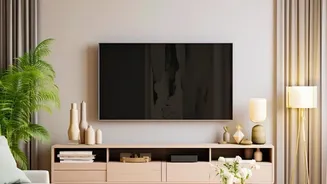
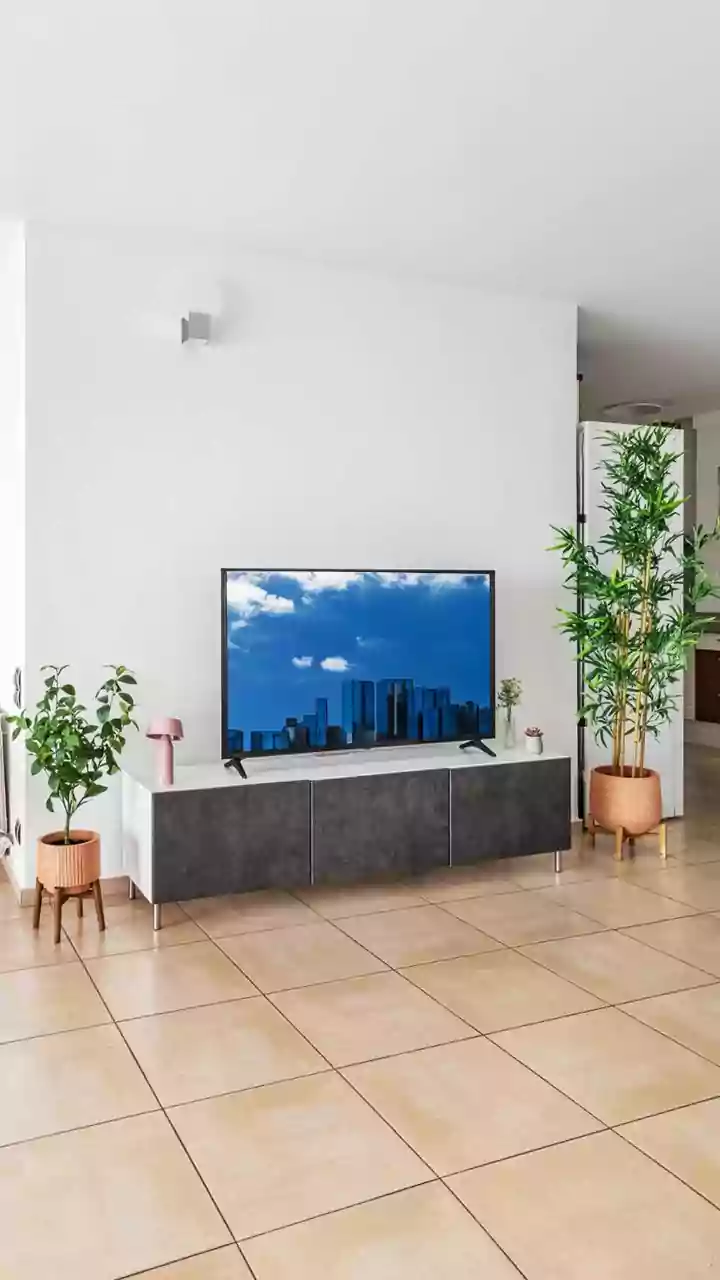
For years, the ideal home was often portrayed as a flawless showroom, filled with pristine, matching furniture sets and trend-driven accessories. But a fatigue has set in. Many are finding that a home filled with mass-produced items, while accessible,
can lack a sense of individuality and warmth. This has sparked a movement towards interiors that feel more personal and less like a catalogue page. People are increasingly seeking to create spaces that reflect their own stories and values, moving away from uniformity and towards authenticity. This shift is not just about aesthetics; it's a reaction to digital burnout and a desire for comfort and originality that can't be ordered in bulk.
What 'Soul' Really Means in a Home
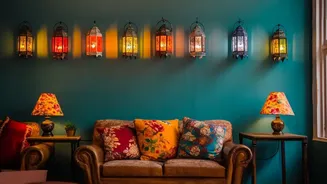
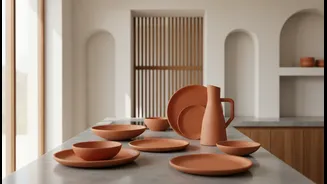
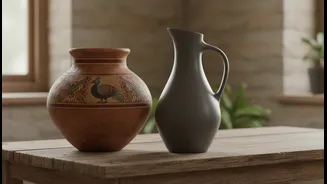
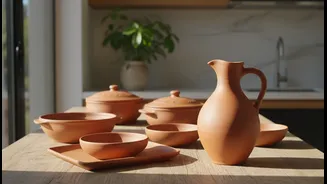
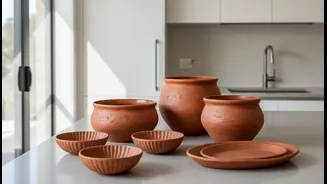
When we say handmade décor brings "soul" to a home, we're talking about the infusion of character, history, and human connection. Unlike a machine-made object, an artisan piece carries the story of its creator—their skill, passion, and the tradition behind their craft. These items have a narrative, whether it's a block-printed cushion from Rajasthan, a hand-thrown ceramic vase, or a woven bamboo lamp. The subtle imperfections—a slight variation in colour, an uneven texture—are not flaws; they are marks of authenticity that make a piece unique. This human touch is what transforms a house into a home, creating a space that feels lived-in, curated, and deeply meaningful.
The Indian Artisan at the Forefront
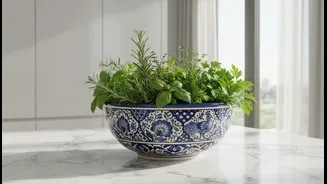
This global trend towards handmade goods resonates deeply in India, a country with an immense and diverse legacy of craftsmanship. From the intricate Dhokra metalwork of Bastar to the iconic blue pottery of Khurja and Jaipur, Indian artisans are finding a renewed appreciation. Traditional crafts like Madhubani painting, Warli art, and Kantha embroidery are being integrated into modern homes, not as relics, but as vibrant, contemporary statements. Choosing these pieces is a way to connect with cultural heritage and support the communities that have preserved these skills for generations. It’s about celebrating a legacy of artistry and bringing that historic warmth into our daily lives.
A Move Towards Conscious Living
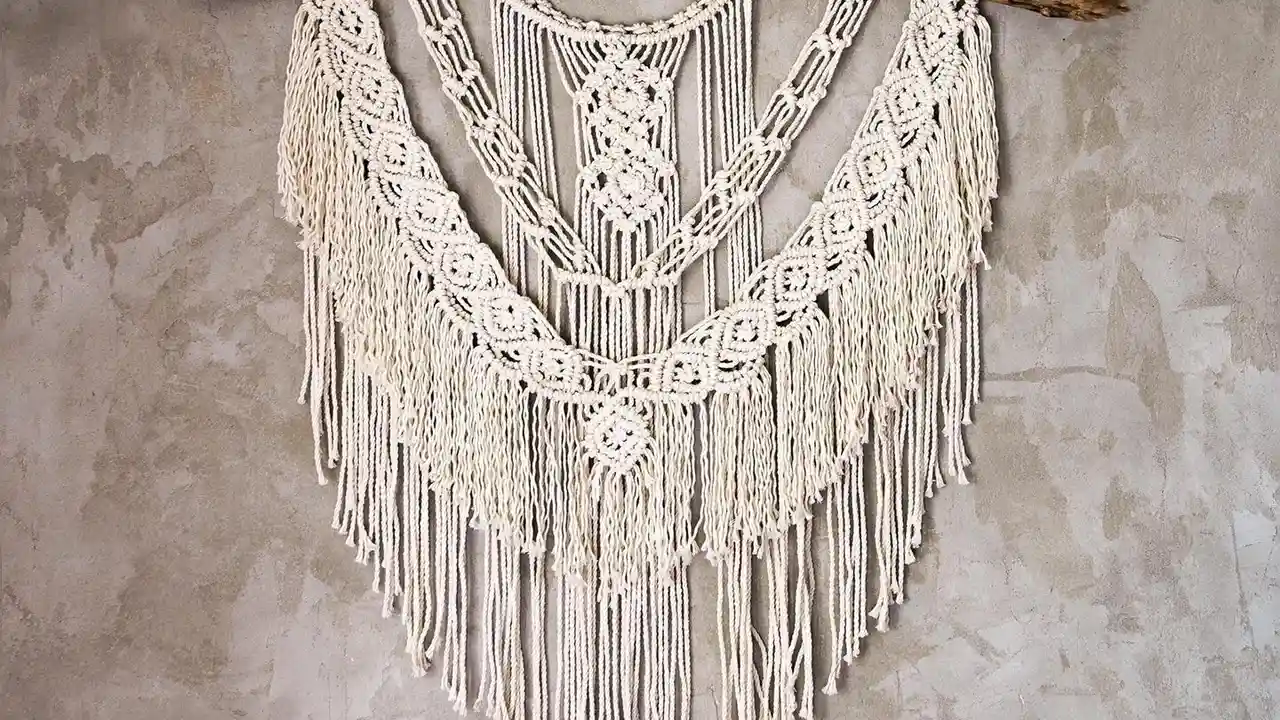
The preference for handmade décor is also closely linked to a growing awareness around sustainability. Consumers are increasingly conscious of their environmental footprint and are looking for ethically produced goods. Handcrafted items are often made in smaller batches using natural, locally sourced materials like jute, bamboo, and organic cotton, which results in less waste compared to large-scale industrial manufacturing. This 'slow interiors' movement is about choosing fewer, better things that are built to last. Investing in a durable, handcrafted piece is a vote against a throwaway culture, promoting longevity and responsible consumption.
How to Welcome Handmade into Your Home
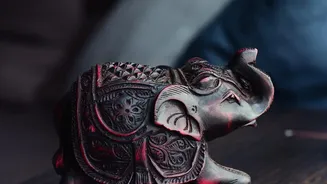
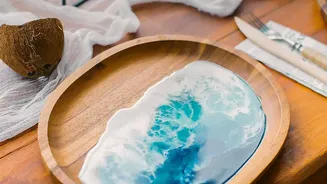
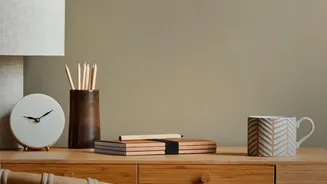
Incorporating handmade items doesn't require a complete overhaul. The key is to start small and be intentional. Begin with a single accent piece that speaks to you, like a hand-painted ceramic bowl, a unique textile, or a wooden figurine. Don't be afraid to mix and match; the contrast between a rustic, handcrafted item and a sleek, modern piece of furniture often creates a beautiful balance. Play with textures by combining smooth surfaces with the rawness of jute or clay. The goal isn't to create a perfect, coordinated look, but to curate a collection of objects that you love and that tell your personal story.