




It All Starts With the Grain
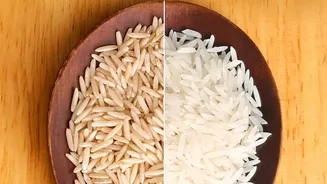
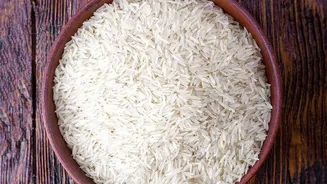
The first step to perfect rice is choosing the right player for your dish. Rice is generally categorized into long, medium, and short grain, and this size dictates its starch content and final texture. Long-grain rice, like the beloved Basmati, is high
in a starch called amylose. This makes it cook up into distinct, fluffy, and separate grains, which is why it's the undisputed king of pulao and biryani. Medium and short-grain varieties, on the other hand, have less amylose and more of a starch called amylopectin, which makes them stickier when cooked. Think of the soft, slightly clumping texture needed for a comforting bowl of dal and rice or the stickiness required for sushi. For everyday meals in India, varieties like Sona Masuri fall in between, offering a versatile texture that’s fluffy yet soft.
The Art of Rinsing and Ratios
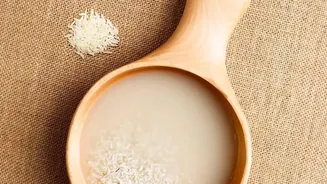
Before you even think about heat, give your rice a good rinse. Rinsing under cool water removes the excess surface starch that makes rice gummy and clumpy. Wash the grains by gently swishing them with your fingers until the water runs clear. This simple step is non-negotiable for achieving separate, fluffy grains. Next comes the most critical measurement: the water-to-rice ratio. This isn't a one-size-fits-all number; it depends entirely on the grain. For stovetop cooking, a good starting point for long-grain white rice like Basmati is 1 cup of rice to 1.5 cups of water. Brown rice, with its outer bran layer intact, is thirstier and typically requires more water, around 1 cup of rice to 2.25 cups of water. Short-grain rice needs less, often a 1-to-1.2 ratio. While the traditional 'finger knuckle' method is popular, using a measuring cup provides consistency until you get a feel for it.
Cooking with Care
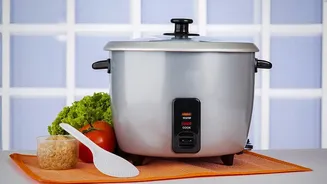
Whether you use a pot on the stove, a pressure cooker, or an electric rice cooker, the goal is to create a steamy environment. A common mistake is cooking rice on excessively high heat. This causes the water to evaporate too quickly, leading to a scorched bottom and undercooked top. The correct method is to bring the water to a boil, add the rice, then reduce the heat to a low simmer and cover the pot with a tight-fitting lid. And once that lid is on, resist the temptation to peek. Lifting the lid lets precious steam escape, which is essential for the rice to cook evenly and gently.
The Final, Crucial Step: Resting
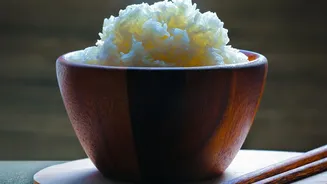
This is the most overlooked, yet arguably one of the most important steps. Once the cooking time is up, do not immediately fluff or serve the rice. Turn off the heat and let the pot stand, covered, for at least 10 minutes. This resting period allows the magic to happen. The residual steam continues to cook the rice gently, and more importantly, moisture that has collected at the top redistributes itself throughout the pot. This ensures every single grain is perfectly cooked, firm, and evenly moist, rather than having a soggy top layer and a drier bottom. After resting, gently fluff the rice with a fork—not a spoon—to separate the grains without mashing them.
Troubleshooting Common Rice Problems
Even with the best intentions, things can go wrong. If your rice is mushy or gummy, you likely used too much water or didn't rinse it well enough. You can try to salvage it by spreading it on a baking sheet and drying it in a low oven for a few minutes. If the rice is hard and undercooked, it means there wasn't enough water, or it cooked too quickly. Add a few tablespoons of hot water, cover the pot, and let it steam on very low heat for another 5-10 minutes. Burnt rice is usually a result of the heat being too high. Unfortunately, you can't undo the burnt taste, but you can carefully scoop the unburnt rice from the top, leaving the scorched layer behind.