






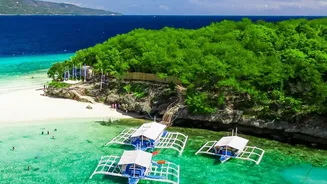


The Philippines is an archipelago blessed with world-renowned natural beauty. Yet, for its most famous destinations, global adoration has become a double-edged sword, threatening the very essence that made them beloved in the first place.
The Double-Edged Sword of Popularity
When a destination
becomes a star, investment follows. This brings jobs and economic growth, which are vital for local communities. However, unchecked popularity often leads to rampant commercialisation. This is the point where the scales can tip. The quest for profit can overshadow the need for preservation, leading to a phenomenon where a place becomes a victim of its own fame. Research suggests that high commercialisation can decrease tourist satisfaction by reducing the sense of authenticity. The unique cultural soul of a place gets diluted, replaced by a generic, profit-driven machinery that could exist anywhere in the world. This is the core of what makes a destination feel 'overrated': the experience no longer matches the pristine image in the brochure.
Case Study: The Boracay Paradox
Boracay is the poster child for this struggle. Famous for its powder-white sands, it became so overwhelmed by unregulated development that it was dubbed a 'cesspool' and temporarily closed for rehabilitation in 2018. The government took drastic steps, demolishing illegal structures, upgrading sewage systems, and implementing visitor caps. The effort was a bold statement on the importance of sustainability. However, post-rehabilitation, challenges persist. Recent visitor reports mention issues that detract from the premium experience, like aggressive street vendors and unreliable power grids. The island's recovery shows that rehabilitation is not a one-time fix but a continuous balancing act between economic needs and environmental integrity.
Case Study: El Nido's Balancing Act
El Nido in Palawan, often called the country's 'last frontier', faces a similar predicament. Its stunning lagoons and limestone cliffs have attracted a massive influx of tourists, with visitor numbers far exceeding the local population. This has strained local infrastructure, leading to concerns about water quality and waste management, issues that once prompted threats of a Boracay-style closure. While tourism is a crucial source of income, the sheer volume of visitors has led to overcrowded tours and a feeling that the serene, natural experience is becoming harder to find. Authorities have implemented measures like banning single-use plastics, but the race to prevent El Nido from becoming another paradise lost is ongoing.
Case Study: Baguio's Urban Sprawl
The problem isn't limited to beaches. Baguio, the 'Summer Capital of the Philippines', is choking on its success. Originally designed as a quaint mountain retreat, it now grapples with intense traffic congestion and urban sprawl that mirrors Manila. Tourism is a primary driver of Baguio's economy, accounting for up to a quarter of its GDP. But this has come at a high environmental cost. During peak seasons, the city's waste generation skyrockets, putting immense pressure on local resources. The city's leadership acknowledges that its future depends not just on attracting visitors, but on sustainably managing the destination to preserve the very identity that makes it unique. The cool, pine-scented air and tranquil atmosphere that once defined Baguio are now threatened by overdevelopment.
The Path to Sustainable Shores
The narrative is not entirely bleak. The challenges faced by these popular spots have ignited a crucial conversation about the future of Philippine tourism. There is a growing movement towards sustainable and community‐based tourism, which prioritises environmental protection and ensures that economic benefits flow directly to local communities. Destinations like Masungi Georeserve and initiatives on islands like Bohol focus on conservation and education, offering travellers a chance to have a positive impact. This shift suggests a growing awareness among both officials and travellers. The solution may not be to avoid popular places altogether, but to demand and support a more responsible model of tourism—one that values quality over quantity and authenticity over aggressive commercialism.