




Understanding Your Calcium Needs
Calcium is the most abundant mineral in your body, crucial not just for a strong skeleton and teeth, but also for nerve function, muscle activity, and hormone secretion. The Indian Council of Medical Research (ICMR) recommends a daily allowance of 600
mg for most adults, though this figure can rise for postmenopausal women and the elderly. Unfortunately, studies show the average calcium intake in India is often much lower, sometimes only 300-400 mg per day. This gap isn't just a number; it represents a long-term risk to bone density and overall health. Before reaching for a bottle of pills, it's vital to understand that your body prefers getting its nutrients from whole foods.
The Myth of Expensive 'Superfoods'
The wellness market is flooded with products that promise a quick fix for nutritional gaps. From imported seeds to specially fortified powders, it's easy to think that good health comes with a high price tag. However, when it comes to calcium, this is largely a myth. Research suggests that dietary calcium, obtained from everyday foods, is often better absorbed and more beneficial for bone health than concentrated supplements. Foods provide a complex package of nutrients—like vitamin D, magnesium, and phosphorus—that work together to help your body effectively use calcium. Supplements, on the other hand, provide a large, isolated dose that can sometimes be less efficient for your body to process.
Your Affordable Dairy Toolkit
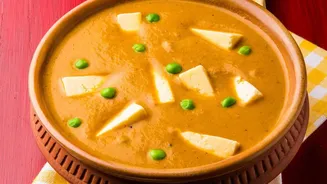
For many, dairy remains a primary and highly accessible source of calcium. The calcium in dairy is also highly bioavailable, meaning your body can absorb and use it efficiently. A single glass of milk contains around 300 mg of calcium. Other excellent and affordable options commonly found in Indian kitchens include curd (dahi) and paneer. A 100g serving of paneer can provide around 240 mg of calcium, while a katori of curd offers a significant amount as well. Buttermilk (chaas) is another low-calorie way to top up your intake throughout the day. Including two to three servings of these everyday dairy products can get you very close to your daily target.
Powerful Plant-Based Calcium Sources
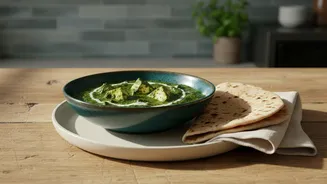
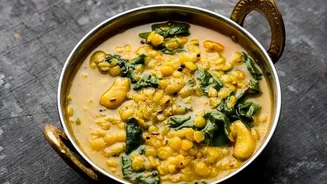
If you don't consume dairy, you are not at a disadvantage. The Indian pantry is rich with plant-based calcium powerhouses. Ragi (finger millet) is a standout, containing approximately 344 mg of calcium per 100 grams—significantly more than milk. Sesame seeds (til) are another champion, with a tablespoon providing nearly 100 mg of calcium. Leafy greens like amaranth leaves (chaulai) and drumstick leaves (moringa) are also excellent sources that are inexpensive and widely available. Legumes like chickpeas (chana) and kidney beans (rajma) contribute to your daily total as well. It's important to note that some plant foods contain compounds called oxalates or phytates that can reduce calcium absorption, but traditional preparation methods like soaking, sprouting, and fermenting significantly minimise this issue.
Why Consistency Is the Real Secret
Your body's ability to absorb calcium is not limitless. It absorbs the mineral most efficiently in smaller doses of 500 mg or less at a time. This is why consistency is more important than perfection. Consuming a massive, calcium-heavy meal once in a while is less effective than spreading your intake throughout the day. Think of it as making small, regular deposits into your 'bone bank' rather than one large, infrequent transfer. A consistent intake of calcium-rich foods at every meal—a ragi dosa for breakfast, a bowl of curd with lunch, and a sabzi made with leafy greens for dinner—maintains stable calcium levels in your blood. This prevents your body from having to 'withdraw' calcium from your bones to support other vital functions.
Simple Ways to Boost Absorption
Getting enough calcium in your diet is the first step; ensuring your body can use it is the second. Vitamin D is calcium's most critical partner, as it is essential for absorption in the gut. Regular, safe sun exposure is the best way to produce Vitamin D, but it's also found in foods like egg yolks and fortified milk. Pairing calcium-rich foods with sources of magnesium (found in nuts, seeds, and whole grains) also helps with calcium metabolism. Finally, embracing traditional cooking methods like fermenting batter for idli and dosa or sprouting legumes helps break down compounds that hinder mineral absorption, making the calcium in these foods more available to your body.