



A Move Beyond the Monolith
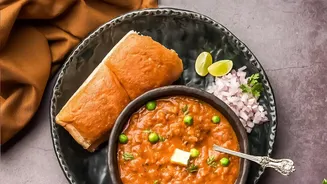
For years, the term "Indian food" in many restaurants was a convenient shorthand for a specific, commercially popular selection of dishes. Menus were often dominated by the rich, creamy gravies of Mughlai and Punjabi traditions—think butter chicken, dal
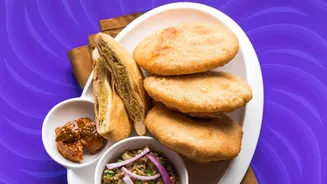
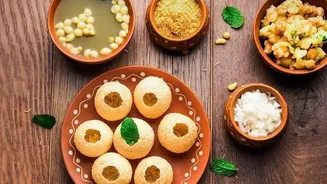
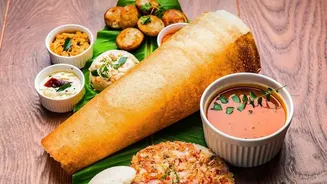
makhani, and paneer tikka. South Indian cuisine was frequently represented only by breakfast staples like idli and dosa. While beloved, this limited offering presented a monolithic view of a subcontinent bursting with thousands of distinct culinary traditions. Today, that’s changing. Diners from Bengaluru to Delhi are finding menus that feature everything from Bihari Litti Chokha to Naga smoked pork and Keralan Avial, signaling a new chapter in India's restaurant industry.
Chefs as Culinary Storytellers
This movement is being driven by a new generation of chefs and restaurateurs acting as culinary explorers and preservationists. Many are traveling to remote corners of the country to learn from home cooks, document fading recipes, and source unique local ingredients. This quest for authenticity is about more than just new flavours; it's about reclaiming and celebrating cultural heritage. Chefs like Manish Mehrotra and the late Floyd Cardoz became pioneers by introducing lesser-known regional dishes with contemporary twists, paving the way for others. This new wave is highlighting ingredients like black chakhao rice from Manipur and wild greens from the Konkan region, turning a meal into a story about a specific place and its people.
An Appetite for Authenticity
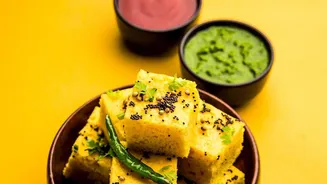
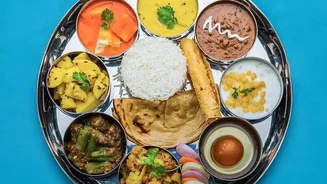
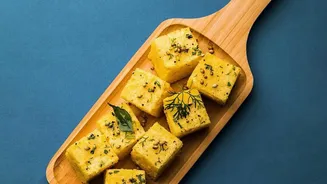
The trend isn't just supply-driven; diners' palates have evolved. A growing number of Indians, especially younger generations, are more curious and adventurous in their food choices. Exposed to global trends through travel and the internet, they are now turning that curiosity inward, seeking authentic and novel experiences closer to home. There is a rising consumer appetite for dishes prepared with native ingredients and for flavours that feel rooted and soul-satisfying. This search for authenticity has created a strong market for restaurants that move beyond generic menus and offer a genuine taste of a specific region, whether it's the coastal cuisine of Goa, the vegetarian fare of Kathiawar, or the complex spices of Chettinad.
From Niche to Mainstream
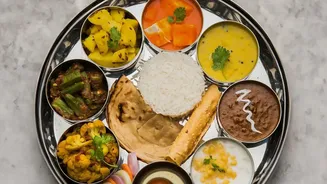
What was once considered too niche for a mainstream restaurant is now a significant draw. Restaurants specializing in regional cuisines are seeing their customer bases grow faster than those with generic menus. This is visible in cities across the country, where dedicated eateries are showcasing specific culinary traditions. In Ahmedabad, for instance, restaurants are opening to exclusively serve Maharashtrian, Andhra, and Tamil food. Similarly, Bengaluru has seen the rise of concepts like Kalpaney, which reimagines nostalgic vegetarian dishes from across India with refined techniques. This shift is redefining what it means to eat "Indian" food, presenting it not as a single category but as a vibrant collection of diverse and distinct cuisines.