






The Physics of a Slippery Slope
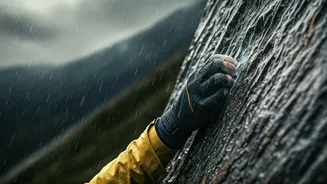
The single most immediate change rain brings to a climb is the drastic reduction of friction. The bond between your climbing shoes and the rock is a delicate miracle of rubber technology and pressure. Water shatters that bond. A once-grippy foothold,
perfect for pushing off, turns into a slick, unforgiving surface. Every move that relied on smearing—the technique of pressing the sole of your shoe against the rock for friction—is now off the table. Holds that were jugs just minutes before now feel like they’re coated in a thin layer of oil. This is especially true for certain types of rock. Porous sandstone, for instance, can become dangerously fragile and slick when wet, while granite might retain a bit more texture. But regardless of the geology, the fundamental contract between climber and rock is broken. You can no longer trust the surface in the same way.
When Your Gear Turns Against You
It’s not just the rock that betrays you; your own equipment becomes a liability. Your chalk bag, the source of dry-handed confidence, is the first casualty. The moment water gets in, the fine powder turns into a useless, clumpy paste. Trying to chalk up only makes your hands slimier. Your rope, your lifeline, also suffers. A dry climbing rope is engineered to have a specific amount of stretch to absorb the force of a fall. When it becomes waterlogged, it gets significantly heavier, harder to handle, and its dynamic properties change. Pulling a wet, heavy rope through your belay device is exhausting. In colder conditions, a wet rope can even begin to freeze, turning into a stiff, unmanageable cable. Every piece of gear, from carabiners that become slippery to handle, to the fabric of your harness soaking up cold water, adds another layer of difficulty and discomfort.
The Mental Game Gets Real
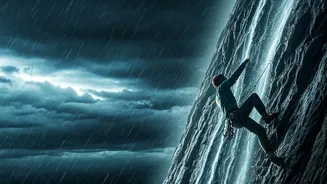
Perhaps the most significant change happens not on the rock, but inside your head. Climbing is as much a mental sport as a physical one, built on a foundation of focus, problem-solving, and controlled risk assessment. Rain washes that foundation away. The ambient sound of a peaceful day is replaced by the drumming of water, making it harder to communicate with your partner on the ground. A simple climb can suddenly feel exposed and serious. Fear, which is always a quiet companion in climbing, becomes a much louder voice. Every move requires more deliberation, more commitment, and more trust in your diminished abilities. The doubt creeps in: 'Is this hold secure?' 'What if my foot slips?' This heightened mental state is utterly draining. It demands a level of hyper-focus that is difficult to sustain, turning what was once a recreational flow state into a high-stakes battle of will.
A Different Kind of Challenge
Despite the objective dangers and discomfort, many seasoned climbers don't immediately give up when the clouds open. For some, climbing in the rain is a unique test of skill, composure, and adaptability. It forces a return to fundamentals: precise footwork, careful body positioning, and a deep, visceral understanding of balance. It's an exercise in humility, a reminder that the climber is always a guest in the natural world, subject to its whims. Successfully navigating a route in the rain, or even just safely retreating, brings a different kind of satisfaction. It’s not about conquering the climb in style; it’s about working with the elements, managing the risk, and getting down safely. It’s a powerful lesson in judgment and mountain sense that can’t be learned on a sunny day.