





The Reign of Calorie Counting
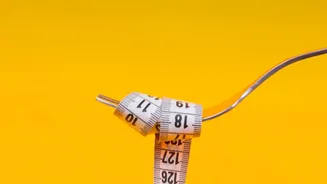
The idea of counting calories as a method for weight management has been around for over a century, popularised in the 1920s as a scientific way to lose weight. The concept is based on a simple energy balance equation: to lose weight, you must burn more
calories than you consume. This “calories in, calories out” (CICO) model has been the foundation of countless diets and weight loss plans. However, this approach has significant limitations. Critics argue that it oversimplifies a complex biological process, ignoring how different foods affect hormones, metabolism, and hunger. A focus solely on numbers can also neglect the nutritional quality of food, and for many, the constant tracking can be unsustainable, leading to a yo-yo effect with weight.
The Case for a Fibre-First Focus
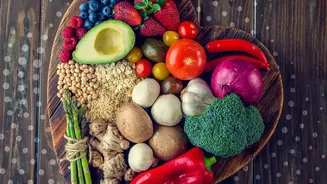
Enter the fibre-first philosophy. Instead of obsessing over every calorie, this approach prioritises getting enough dietary fibre, a type of carbohydrate the body can't digest. The benefits are extensive and well-documented. Fibre promotes a feeling of fullness, which helps with appetite control and weight management. It also plays a crucial role in digestive health, promoting regularity and preventing constipation. Beyond digestion, a high-fibre diet is linked to numerous health advantages, including better blood sugar control, lower cholesterol levels, and a reduced risk of chronic diseases like heart disease and certain types of cancer.
Quality Over Quantity
The shift towards prioritising fibre is ultimately a shift from quantity to quality. While a calorie is a calorie from a pure energy standpoint, the body processes a calorie from a doughnut differently than a calorie from an apple, which is packed with fibre. Foods rich in fibre, like fruits, vegetables, whole grains, and legumes, slow down the absorption of sugar into the bloodstream. This prevents the sharp spikes and subsequent crashes in blood glucose that can leave you feeling hungry shortly after eating. This focus on whole, plant-based foods not only increases fibre intake but also ensures you are getting a wider array of essential vitamins and minerals, which can be overlooked in a strict calorie-counting regimen.
How to Put Fibre First in Your Diet
Making the switch doesn't have to be complicated. The key is to gradually increase your intake to allow your digestive system to adjust. Start your day with a high-fibre breakfast like oatmeal or a whole-grain cereal. Throughout the day, choose wholemeal bread over white, and brown rice instead of white. Incorporate more legumes like beans, lentils, and chickpeas into your meals; they are excellent additions to salads, soups, and curries. Snacking on fruits, vegetables, nuts, and seeds is another easy way to boost your fibre intake. And remember to increase your water intake as you increase fibre, as water helps fibre do its job effectively.