





The Rain Shadow Secret
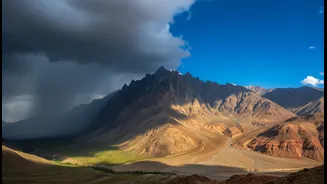
While cities like Mumbai and Delhi grapple with humidity levels soaring between 70% and 90% during monsoon, Ladakh remains uniquely dry. This is because it lies in the rain shadow of the Himalayas. The colossal mountain range acts as a barrier, blocking
the moisture-laden monsoon clouds from reaching the high-altitude desert. As a result, while the rest of the subcontinent experiences torrential downpours, Ladakh gets minimal rainfall, often just light, occasional showers. This geographical quirk creates a travel haven with pleasant daytime temperatures, typically ranging from 20 to 30 degrees Celsius in and around Leh, perfect for exploration when other hill stations are facing landslides and closures.
Peak Season for Adventure
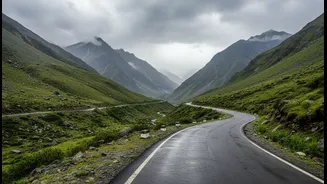
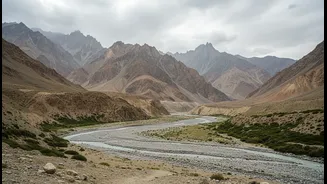
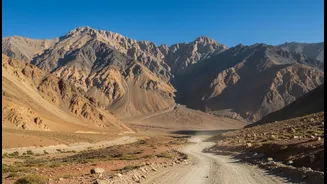
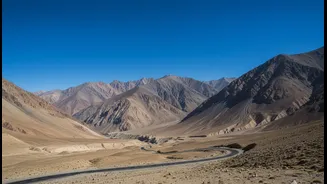
For adventure seekers, the period from July to September is not a compromise; it's the prime season. The iconic Manali-Leh and Srinagar-Leh highways, the arteries for any epic road trip, are fully open and operational. These routes, often closed for over six months due to snow, are at their most reliable during these months, offering breathtaking drives through some of the world's highest motorable passes. Beyond the drive, this is the best time for activities like white-water rafting on the Zanskar and Indus rivers, where the water levels are ideal. It is also a fantastic window for trekking through valleys like Markha, which come alive with patches of green, offering a rare, gentle look to the otherwise starkly beautiful landscape.
A Landscape in High Definition
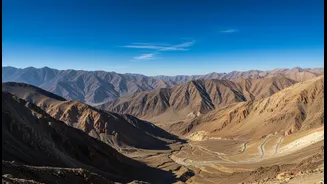
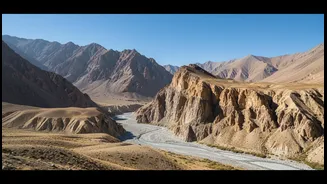
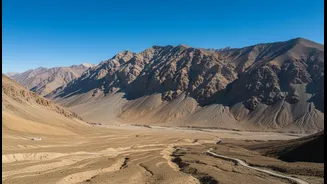
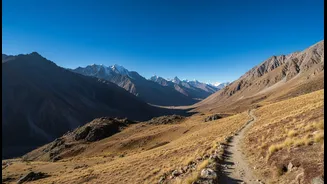
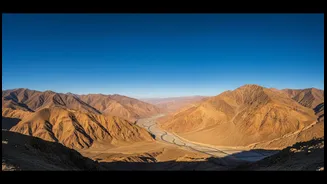
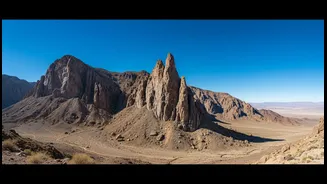
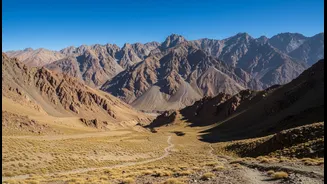
The post-monsoon clarity in the air makes for unparalleled vistas. The sky is often a brilliant, deep blue, a stark contrast to the grey blanket over cities. The dramatic, barren mountains are sharply defined, and the high-altitude lakes like Pangong Tso and Tso Moriri shimmer with an intense turquoise hue under the bright sun. With fewer clouds obscuring the views, photography enthusiasts find this season particularly rewarding. The limited rainfall also means the valleys, especially Nubra, reveal a surprising amount of greenery and agricultural bloom, creating a stunning visual tapestry of brown, green, and blue. This is when Ladakh’s raw beauty is at its most vivid and accessible.
Cultural Festivities in Full Swing
The summer months are also a time of vibrant cultural celebration in Ladakh. Many of the region's most famous monastic festivals take place during this window. The Hemis Festival, one of the biggest and most colourful, often occurs in late June or July, celebrating the birth of Guru Padmasambhava with sacred masked dances. Other significant festivals like Phyang Tsedup and Yuru Kabgyat also fall in the summer, offering visitors a unique opportunity to witness ancient Buddhist traditions and rituals firsthand. These events transform monastery courtyards into lively hubs of faith and community, providing a cultural immersion that goes far beyond sightseeing.
Fewer Crowds, More Serenity
While July and August are considered peak season, the crowds can be less intense than in the early-season rush of May and June. Many travellers are deterred by the misconception of monsoon-related travel disruptions, which primarily affect the approach roads in the lower hills, not Ladakh itself. This creates a sweet spot for those who make the journey. You can experience popular attractions like Khardung La pass, Diskit Monastery, and the main market in Leh with relatively more breathing room. This allows for a more serene and personal connection with the landscape and culture, turning a simple trip into a truly restorative escape from the urban grind.