

The New Reality of Urban Gardening
Gardening in Indian cities is no longer just a hobby; for many, it's a lifestyle choice and a way to connect with nature amidst the concrete. However, the demands of a fast-paced urban life mean that time is a precious commodity. The traditional garden,
filled with plants requiring daily watering, pruning, and attention, is becoming a luxury few can afford. This has sparked a significant trend: the move towards low-intervention gardening. City dwellers want the green without the guilt of a neglected plant. This shift is driven by a desire for a beautiful, calming space that reduces stress rather than adding to it.
Why Less Is More
The logic is simple: a plant that can handle a missed watering or two is a plant that’s more likely to survive and thrive. This move away from delicate, high-effort ornamentals is practical. Gardeners who travel for work or leisure can relax knowing their green companions aren't withering away. Furthermore, water conservation is an increasing concern in many cities. Choosing drought-tolerant species is an eco-conscious decision. The goal is to create resilient, self-sufficient green corners that offer maximum visual and mental reward for minimal daily input, making gardening more accessible and enjoyable for everyone.
The Rise of Succulents and Cacti
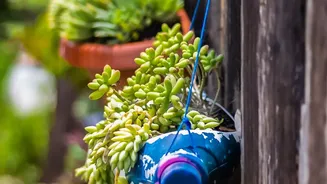
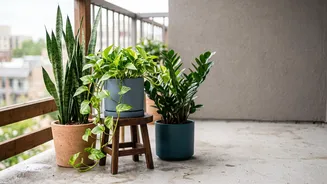
At the forefront of the low-maintenance movement are succulents and cacti. Their popularity has soared across India, and for good reason. These plants are naturally designed to store water in their leaves and stems, making them incredibly forgiving. Varieties like the hardy Snake Plant, auspicious Jade Plant, and medicinal Aloe Vera are perfect for sunny Indian balconies and windowsills. They thrive in the heat, require watering only when the soil is completely dry, and their diverse, sculptural forms add a modern aesthetic to any space.
Embracing Hardy Native Plants
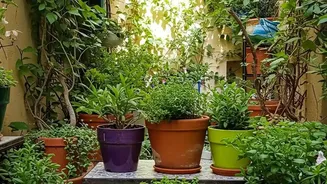
Another smart strategy is to choose plants that are already adapted to the local climate. Native Indian species are naturally resilient to regional heat, humidity, and water conditions, so they require far less intervention. A Curry Leaf (Kadi Patta) plant in a pot not only survives with minimal fuss but also provides fresh leaves for the kitchen. Similarly, Tulsi (Holy Basil) is a must-have that thrives in sunlight and is revered for its air-purifying qualities. Flowering natives like Hibiscus, Jasmine (Mogra), and Ixora offer vibrant colour and fragrance without demanding constant attention.
Flowering Plants That Don't Quit
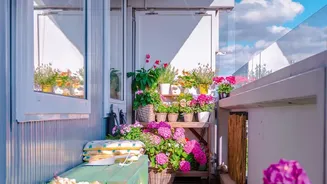
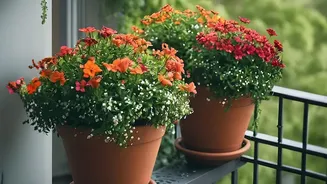
A low-maintenance garden doesn't have to be flowerless. Several flowering plants are tough enough to handle Indian urban conditions. Bougainvillea is a classic example, exploding with colour on sunny terraces while requiring very little water once established. Portulaca, also known as Moss Rose, is another excellent choice, producing cheerful, vibrant flowers even in dry soil and peak heat. Vinca (Sadaphuli) is another hardy bloomer that provides near-constant flowers with minimal care, proving that a colourful garden can also be an easy one.
Smarter Setups for Easier Care
Beyond plant choice, gardeners are also adopting smarter setups. Self-watering pots, which have a built-in reservoir, are gaining popularity as they keep the soil moist and take the guesswork out of watering. Techniques like using a well-draining soil mix, often with cocopeat or perlite, prevent root rot from accidental overwatering, a common issue during monsoons. For those who travel, simple DIY methods like the traditional buried clay pot (olla) or a cotton wick system can keep plants hydrated for days, ensuring the garden stays alive and well.