






Understanding 'Leaky Gut'
The term 'leaky gut' has gained popularity, but in medical terms, it's known as increased intestinal permeability. Think of your intestinal lining as a tightly controlled barrier. Its job is to absorb essential nutrients and water while preventing harmful
substances like toxins and undigested food particles from entering your bloodstream. This barrier is maintained by 'tight junctions', which are like tiny, regulated gates between the cells of your gut lining. When these junctions loosen, the gut becomes more permeable, or 'leaky'. This can allow unwanted substances to pass into the bloodstream, potentially triggering an immune response and inflammation throughout the body. While it's a known symptom of conditions like celiac disease and Crohn's disease, researchers are exploring whether it could be a contributing factor to other health issues.
What the Latest Study Reveals
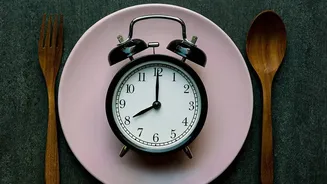
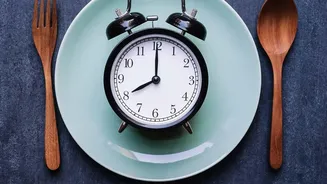
A recent study published in the journal iScience has shed new light on this topic, specifically looking at adults with obesity. Researchers from UTHealth Houston found a significant link between circadian behaviors—your natural sleep/wake cycle and meal timing—and gut health. The study revealed that individuals who tend to be 'night owls' and also eat their meals later in the day showed signs of increased intestinal permeability. This combination was also associated with a higher risk for metabolic syndrome, a cluster of conditions that raises your risk for heart disease, stroke, and type 2 diabetes. According to the lead author, Dr. Faraz Bishehsari, while we've long known that what we eat matters, this research highlights that when we eat may also be a crucial factor for metabolic health.
The Role of Your Body Clock
Your body runs on an internal 24-hour clock known as the circadian rhythm. Primarily regulated by light exposure, this master clock in your brain coordinates countless bodily functions, from hormone release to digestion. But it’s not just your brain that has a clock; nearly every organ, including your gut, has its own local clock. These local clocks are strongly influenced by meal timing. When your lifestyle, such as your sleep schedule and when you eat, is out of sync with your internal clocks, it's called circadian misalignment. This desynchronization can disrupt digestion, alter the balance of your gut microbiome, and, as the new research suggests, compromise the integrity of your intestinal barrier.
Why Late Meals Might Matter
Eating late at night forces your digestive system to work when it's biologically programmed to be resting. This misalignment can throw the daily rhythms of your gut microbes out of whack. These microbes play a vital role in maintaining the gut barrier and producing beneficial compounds like short-chain fatty acids (SCFAs), which help reduce inflammation and fuel the cells of your intestinal lining. The Houston study noted that participants who had improved gut barrier function also had more of these beneficial SCFA-producing bacteria. Therefore, a pattern of late-night eating could contribute to a less healthy gut environment, reduced SCFA production, and a weaker intestinal barrier over time, leading to inflammation.
Simple Adjustments for a Healthier Gut
The good news is that sleep and meal timing are modifiable lifestyle factors. While this research doesn't prove causation, it strongly suggests that aligning your eating and sleeping patterns with your natural circadian rhythm is beneficial for gut health. Aim for a consistent sleep-wake cycle, even on weekends, to support your body's master clock. Try to consume the majority of your calories earlier in the day and create a distinct fasting window overnight, for example by finishing your last meal at least two to three hours before bedtime. This gives your digestive system a much-needed break. Focusing on a diet rich in fiber from a variety of plant foods can also help nourish a diverse and resilient gut microbiome.