


The Untapped Flavour in Your Kitchen Bin
In kitchens across India, bunches of fresh coriander and mint are a daily staple. We meticulously pick the leaves for chutneys, garnishes, and curries, and often, the stems are relegated to the compost or bin. But what if those discarded stalks held the secret
to a professional-level flavour infusion? The zero-waste cooking movement is teaching us to see value in every part of an ingredient, and herb stems are a prime example. They possess a potent, concentrated version of the herb's flavour—sometimes even more intense than the delicate leaves. By harnessing this, you not only reduce food waste but also create a versatile, high-impact ingredient that costs virtually nothing to make. This simple practice transforms a sustainable choice into a delicious culinary upgrade.
The Basic Method for Vibrant Herb Oil
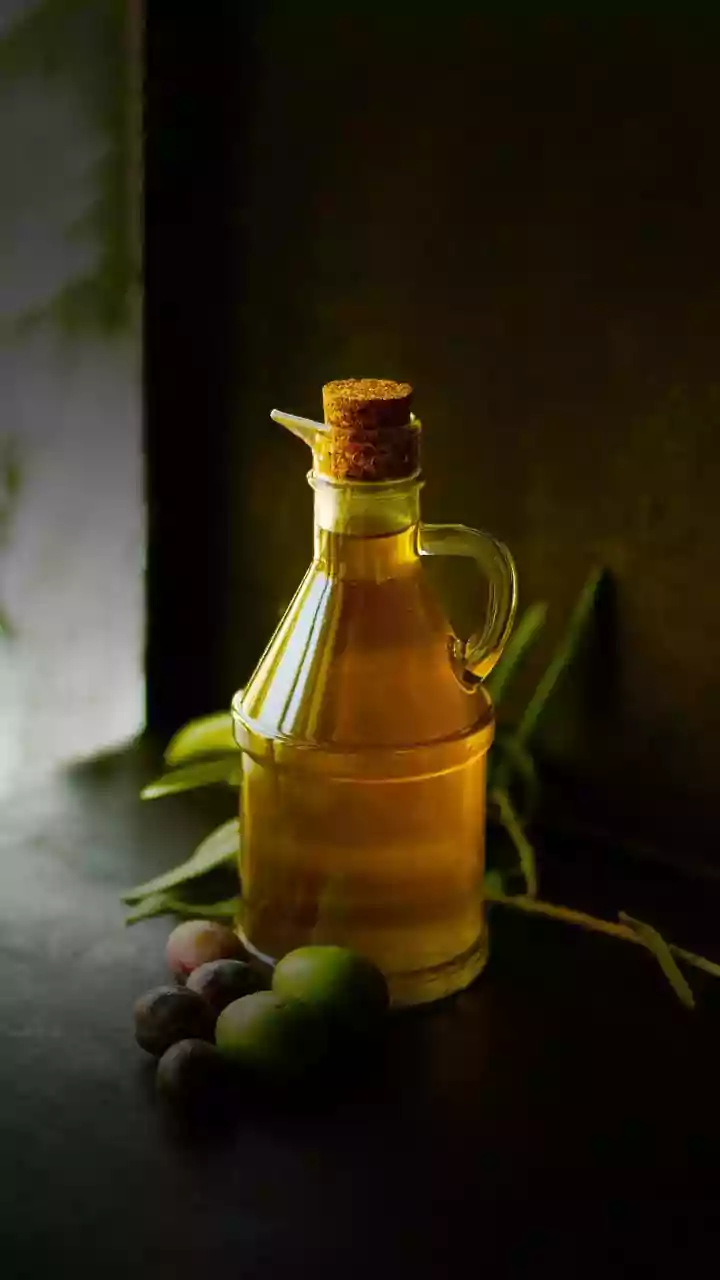
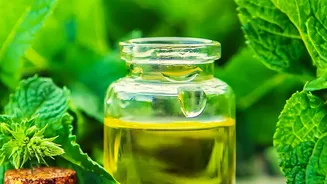
Creating your own herb-stem oil is surprisingly simple and follows a core technique that works for most soft-stemmed herbs. The key is to blanch the stems first. This two-second dip in boiling water followed by an immediate plunge into an ice bath does two things: it helps the stems retain their bright green colour and, more importantly, it softens them for a smoother blend. After blanching and thoroughly drying the stems, combine them in a blender with a neutral-flavoured oil. Grapeseed, sunflower, or a light olive oil are excellent choices as they won't overpower the delicate herb notes. Blend on high until the mixture is smooth and bright green, then strain it through a fine-mesh sieve or a cheesecloth to remove all the fibrous pulp. What you're left with is a stunning, flavour-packed oil.
Coriander Stems: A Zesty, Peppery Punch
Coriander stems, or dhania danthal, have a bright, peppery, and slightly citrusy flavour that is more pronounced than in the leaves. When transformed into an oil, they create a drizzle that is perfect for finishing dals, soups, and raitas. The process is the same: blanch, shock, dry, and blend. The resulting oil carries the unmistakable essence of fresh coriander. Use it to dress a kachumber salad, swirl it over a bowl of hot lentil soup for an aromatic lift, or drizzle it on grilled paneer or chicken. The stems provide a robust flavour that stands up well to other spices, making it a fantastic secret weapon in your pantry.
Mint Stems: Cool, Fresh, and Aromatic
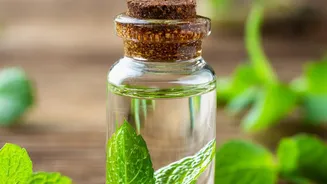
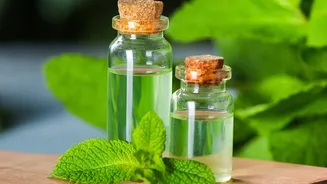
Mint, or pudina, stems offer a crisper, cooler infusion. An oil made from mint stems is wonderfully refreshing and versatile. Imagine drizzling it over fruit salads, yogurt, or even incorporating it into a vinaigrette for a summer salad. It adds a subtle but distinct coolness that can cut through rich dishes. A few drops over roasted lamb or mixed into a lemonade can create a sophisticated flavour profile. Because mint's flavour is so fresh, this oil is best used as a finishing touch rather than a cooking oil to preserve its delicate aromatics. Like with coriander, the blanching process is key to achieving that beautiful green hue and smooth texture.
Important: Storing Your Homemade Oil Safely
While making herb oil is easy, safe storage is critical. Because you are using fresh herbs, which contain water, there is a risk of Clostridium botulinum bacteria growth if the oil is stored improperly at room temperature. This is a serious food safety concern. To prevent any risk, your beautiful homemade herb oil must be stored in the refrigerator in a clean, airtight container. For the best quality and safety, plan to use it within four days. Some sources suggest a week is fine, but it's always better to err on the side of caution. If you make a larger batch, you can freeze the oil in an ice cube tray for long-term storage, popping out a cube whenever you need a burst of fresh flavour.