

The Great Reopening: Key Dates
Most national parks in India close their core zones during the monsoon (July to September) to allow the ecosystem to rejuvenate and for safety reasons. The reopening is now underway. Many popular parks, including Ranthambore in Rajasthan and Tadoba in Maharashtra,
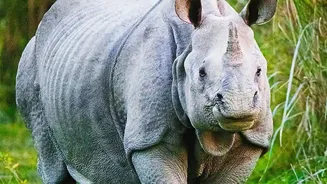
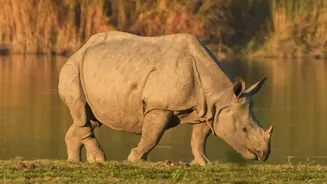
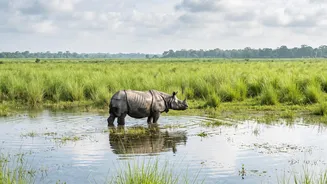
reopened their gates on October 1st. However, some major parks in Madhya Pradesh, such as Bandhavgarh, Kanha, and Pench, typically welcome visitors from mid-October, around October 15th or 16th. It's crucial to check the official websites for each specific park before planning, as dates can vary based on local conditions. For instance, Assam's Kaziranga National Park, famous for its one-horned rhinos, usually begins jeep safaris in early October, with elephant safaris starting from November 1st.
Jim Corbett: A Staggered Schedule
Jim Corbett National Park in Uttarakhand, India's oldest national park, follows a different schedule. While some buffer zones like Jhirna and Dhela remain open for most of the year, the main tourism zones have staggered openings. The Bijrani zone typically opens around mid-October. The most sought-after zone, Dhikala, known for its vast grasslands and canter safaris, usually opens a month later, around mid-November. This phased reopening is due to the time it takes for river crossings and forest tracks to become safe after the intense monsoon rains.
Booking Your Safari: Plan Way Ahead
Spontaneity is not your friend when planning an Indian safari. Safari permits, especially for popular tiger reserves, are limited and sell out almost instantly. Bookings generally open 60 to 120 days in advance. This means for a trip in the coming months, you should be booking now. You can book through official government portals for each park or use a trusted travel operator or your lodge, which often simplifies the process. You will need to provide the full name, age, gender, and ID proof number for every visitor, and carry the same ID with you on the day of the safari.
Post-Monsoon: What to Expect
October and November offer a unique safari experience. The forests are incredibly lush, washed clean by the rains, with waterholes full and the landscape a vibrant green. This dense foliage can sometimes make spotting wildlife, particularly tigers, more challenging than in the drier summer months when animals congregate around scarce water sources. However, the trade-off is a stunningly beautiful jungle and pleasant weather. The mornings and evenings can be cool, so packing layers is advisable. Birdwatching is also exceptional during this period, with the arrival of migratory species.
Top Parks and What to Pack
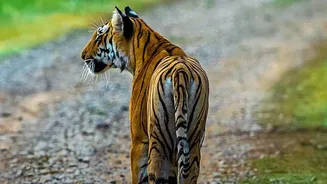
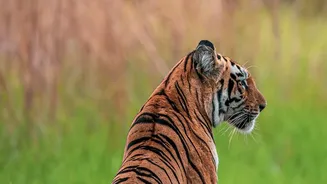
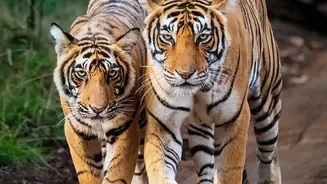
For the highest chances of tiger sightings, consider parks in Madhya Pradesh like Bandhavgarh and Kanha, or Ranthambore in Rajasthan. For rhinos and elephants, Kaziranga in Assam is unparalleled. When packing, think neutral. Khaki, beige, and olive green clothing help you blend in with the environment. Avoid bright colours and white. Pack lightweight layers—a fleece or jacket for chilly early morning drives is essential. Other must-haves include a hat, sunscreen, insect repellent, a good pair of binoculars to get a closer look, and of course, your camera with a zoom lens.
Look Beyond the Tiger
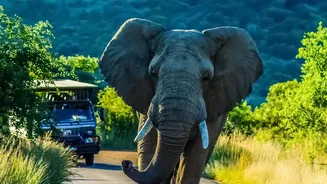
While the thrill of spotting a tiger is a huge draw, experts encourage visitors to appreciate the entire forest ecosystem. A safari is a chance to see a wide array of fauna, from herds of deer and elephants to sloth bears, leopards, and countless species of birds. Listening to the sounds of the jungle, like the alarm calls of monkeys or deer that often signal a predator's presence, is part of the immersive experience. A successful safari is one where you slow down and allow the forest to reveal its secrets, rather than just chasing a single sighting.