

Why October is the Golden Month
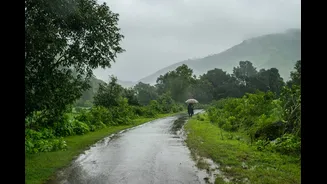
After months of restorative rain, the jungles are at their most beautiful in October. The air is fresh, the dust has settled, and the landscape is a brilliant green, offering a stunning backdrop for wildlife photography. This post-monsoon period sees
rejuvenated water bodies and flourishing vegetation. For travellers, this translates to pleasant weather, fewer crowds than the peak winter season, and a chance to see the forest in its freshest state. The closure during the monsoon allows for the recovery of the ecosystem and gives wildlife a crucial breeding season, meaning the parks you enter in October are rested and ready for visitors.
Top Parks Reopening Their Gates
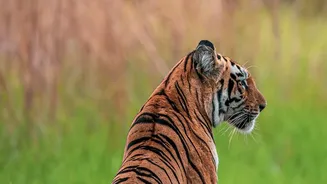
While many parks reopen, a few stand out for their accessibility and wildlife prospects in October. It's crucial to remember that opening dates can be staggered by zone, so always check the official park websites before booking.Ranthambore National Park, Rajasthan: Famous for its majestic tigers set against the backdrop of an ancient fort, Ranthambore is a photographer's dream. The park typically reopens fully on October 1st. Its relatively open landscape can make spotting big cats easier than in denser forests.Jim Corbett National Park, Uttarakhand: India's oldest national park reopens in phases. The Bijrani zone often opens around mid-October, while the core Dhikala zone, celebrated for its vast grasslands and large elephant herds, opens in mid-November. The Jhirna zone usually remains open year-round. Corbett's diverse terrain offers sightings of tigers, elephants, and a rich array of birdlife.Kanha National Park, Madhya Pradesh: Known as the landscape that inspired Rudyard Kipling's 'The Jungle Book', Kanha's core zones reopen to visitors on October 1st. Its sprawling meadows and sal forests are home to tigers and the rare hard-ground barasingha (swamp deer), a species that was saved from extinction here.
Your Booking and Safari Blueprint
Planning is paramount for a successful safari trip, as permits are limited and sell out quickly. Start planning at least four to six months in advance.Permits: Safari permits are the most critical part of your booking. They are released on official state forest department websites and are booked on a first-come, first-served basis. You will need valid government-issued photo identification for every person in your group to make a booking.Jeep vs. Canter: You generally have two choices for safari vehicles. The Jeep (or Gypsy) is a six-seater vehicle that offers a more intimate and flexible experience, ideal for photographers and small families. The Canter is a larger, open-top bus that seats around 20 people and is a more budget-friendly option for groups.Accommodation: Most national parks have a range of lodging options clustered around the main entry gates, from luxury resorts to budget-friendly guesthouses. Some parks, like Corbett, also offer basic forest rest houses inside the park, which provide a uniquely immersive experience but must be booked far in advance.
Essential Packing and Etiquette
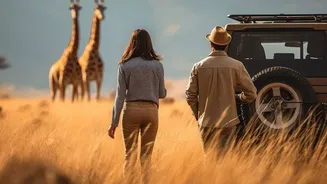
What you pack can make or break your comfort and experience. Opt for clothing in neutral, earthy tones like beige, khaki, and olive green to blend in with the surroundings. Mornings and evenings can be surprisingly chilly, especially in an open vehicle, so dressing in layers with a fleece or jacket is wise. A scarf or buff can be useful to protect against dust on dry trails. Don't forget essentials like binoculars for better viewing, a good camera with a zoom lens, sunscreen, and a hat. Once on safari, remember that you are a guest in the animals' home. Maintain silence, do not use flash photography, and never litter. Always follow the instructions of your guide and driver; their expertise is your best tool for a safe and rewarding experience.