




A Tangy Takeover on Tap
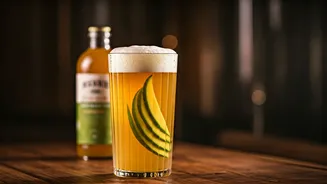
Scroll through the menu of a trendy urban brewery or a third-wave coffee shop this summer, and you might spot an intriguing ingredient: raw green mango. This isn't just a garnish. We're talking about raw mango ales, kairi-infused kombuchas, and even tangy
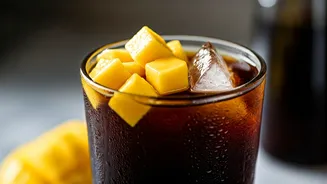
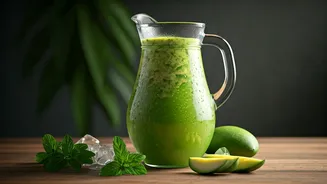
cold brew concoctions. What was once confined to pickles (achar), chutneys, and the quintessential summer cooler, aam panna, has found a new, fizzy life. This move from the plate to the pint glass isn't a random gimmick; it’s a deliberate choice by food and beverage creators who are tapping into something deeply familiar yet refreshingly new. They are harnessing the power of this humble summer fruit to create drinks that are complex, refreshing, and distinctly Indian.
The Powerful Pull of Nostalgia
The primary reason for this trend is emotional. For countless people in India, the flavour of raw green mango is inextricably linked to childhood. It’s the taste of summer holidays, of clandestine raids on neighbourhood trees, and of slicing up the sour fruit and dipping it in a mixture of salt and red chilli powder. It’s the flavour of your grandmother’s expertly spiced aam panna, the ultimate antidote to the searing summer heat. By infusing this flavour into a modern beverage like a craft beer or kombucha, creators aren’t just selling a drink; they’re selling a memory. Each sip offers a jolt of nostalgia, a comforting callback to simpler times. This emotional resonance makes the drink more than just a novelty; it makes it an experience.
The Science of Sour and Sweet
Beyond the trip down memory lane, raw green mango is a brilliant functional ingredient. Its defining characteristic is a bright, sharp acidity, primarily from citric and malic acids. This makes it a fantastic natural souring agent. In brewing, particularly for styles like Gose or Berliner Weisse, this tartness provides a refreshing counterpoint to the malty sweetness of the beer. Unlike the one-dimensional sourness of a lemon, raw mango offers a more complex profile. It has a green, almost floral aroma and a subtle, underlying sweetness that becomes more pronounced during fermentation. This complexity adds layers of flavour that can’t be easily replicated. For non-alcoholic drinks like kombucha or iced tea, the mango’s acidity helps to cut through the sweetness, resulting in a balanced, crisp, and incredibly thirst-quenching beverage.
Celebrating Local, Seasonal Ingredients
The rise of the raw mango brew is also part of a larger, more significant movement in India's food scene: a renewed focus on hyperlocal, seasonal, and indigenous ingredients. For years, aspirational food and drink culture often looked westward, prioritizing imported berries, European hops, or exotic coffees. Now, there’s a growing sense of pride in our own backyard. Chefs, mixologists, and brewers are championing local produce, realising that ingredients like the Jamun, Kokum, Mahua, and of course, the raw mango, offer unique and exciting flavour profiles that can’t be found anywhere else. Using kacchi kairi is a statement. It declares that Indian ingredients are not just for traditional cooking; they have a place in modern, global formats. It’s about celebrating our terroir and showcasing the incredible diversity of India’s agricultural bounty.
A Versatile Flavour for Modern Palates
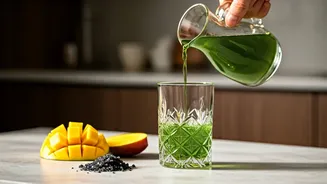
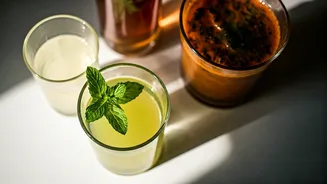
Finally, the trend thrives because raw mango is surprisingly versatile. It can be processed in multiple ways to achieve different results. Pureed, it adds body and a rustic tartness. Juiced, it provides a cleaner, sharper acidic kick. It can be turned into a shrub (a drinking vinegar with sugar) for complex cocktails or infused directly into a coffee cold brew for a startlingly refreshing summer drink that plays the coffee’s bitter notes against the mango’s sourness. This adaptability allows creators to finely tune the flavour, making it a subtle background note in one drink and the star of the show in another. This flexibility ensures that the raw mango trend isn’t a one-trick pony, promising a variety of exciting new creations for adventurous consumers to explore.