






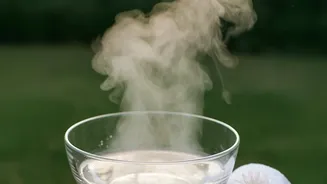
The Comfort of a Familiar Ritual
Steam inhalation is a natural remedy passed down through generations. The process is simple: inhaling warm, moist air from a bowl of hot water, a hot shower, or a personal steamer. Many people add herbs like eucalyptus, peppermint, or thyme, believing
their aromatic compounds enhance the effect. The immediate sensation can be one of profound relief. The warmth feels soothing on an irritated throat and face, and the moist air can feel like it's breaking through congestion, making it a go-to comfort measure for anyone suffering from a cold or sinus pressure.
How Steam Provides Temporary Relief
The feeling of relief from steam isn't just in your head. The primary benefit comes from the warm, humid air. When your nasal passages are inflamed and filled with thick mucus, this moist air helps to hydrate and loosen the secretions, making them easier to clear. The warmth may also soothe the swollen tissues lining your nose and sinuses, which creates the sensation of your airways opening up and allows you to breathe more freely, at least for a little while. This is why it provides a welcome, albeit temporary, respite from the discomfort of a stuffy nose.
The Science: Comfort Is Not a Cure
This is where the popular belief separates from scientific evidence. While steam inhalation can make you feel better momentarily, research has not proven it to be an effective treatment for the underlying sinus infection. A significant study from the University of Southampton found that steam inhalation was not effective in relieving the core symptoms of chronic sinus congestion. While it might help with headaches associated with sinusitis, it doesn't resolve the inflammation or infection. The steam doesn't kill the viruses or bacteria causing the problem; it merely helps manage the symptoms while your body's immune system does the actual fighting. For this reason, medical guidelines often stop short of recommending it as a clinical treatment.
Recognizing the Hidden Risks
The biggest and most immediate risk associated with steam inhalation is not from the steam itself, but the hot water used to create it. Accidental spills from a bowl of just-boiled water can cause serious scalds to the face, hands, and lap. Children are particularly vulnerable to these types of burns. It's crucial to let boiled water cool slightly and to perform the inhalation on a stable surface. Furthermore, for individuals with certain respiratory conditions like asthma, the hot, humid air can sometimes act as an irritant and trigger breathing difficulties.
What Actually Works for Sinus Problems
If steam is just for comfort, what are the proven methods for sinus relief? Medical experts point to several evidence-backed strategies. Saline nasal irrigation, using a neti pot or squeeze bottle, is highly recommended for flushing out mucus and allergens from the nasal passages. Nasal corticosteroid sprays (like fluticasone or budesonide) are effective for reducing inflammation in the nasal passages and are available over-the-counter or by prescription. For pain and pressure, warm compresses on the face can help, along with standard pain relievers. If symptoms are severe, include a high fever, or last longer than 10 days, it is essential to consult a doctor, as you may need antibiotics for a bacterial infection or other targeted treatments.