






Why Space Is Your Secret Weapon
It feels counterintuitive to use a large pot for only a few small plants, but with strawberries, generosity with space pays off. When plants are packed too tightly, they compete for sunlight, water, and nutrients. This intense competition means weaker
plants that produce smaller, less flavourful fruit. More importantly, good spacing allows for crucial air circulation around the leaves and fruit. Without it, humidity gets trapped, creating the perfect environment for fungal diseases like grey mould and powdery mildew, which can quickly ruin your crop. Proper spacing ensures every part of the plant gets the resources it needs to thrive, leading to healthier growth and a more impressive harvest.
Choosing the Perfect Pot
Selecting the right container is the first step to success. Strawberries have relatively shallow roots, so a wide pot is often better than a very deep one. Aim for a container that is at least 8-10 inches deep and about 10-12 inches wide. This size is typically suitable for two or three strawberry plants. If you're using a rectangular planter, you can fit more, but be sure to maintain about 8-12 inches of space between each plant. No matter the shape or material—terracotta, plastic, or a grow bag—the most critical feature is drainage. Ensure your pot has plenty of drainage holes to prevent waterlogged soil, which can lead to root rot.
Planting for Success
In most parts of India, the ideal time to plant strawberries is during the cooler months, generally from late September through January. When you're ready to plant, fill your pot with a well-draining, nutrient-rich potting mix. A combination of garden soil, cocopeat, and compost is an excellent choice. The most important detail during planting is the placement of the 'crown'—the part of the plant where the roots meet the leaves. The crown must sit just at or slightly above the soil level. If buried too deep, the plant is likely to rot; if too high, the roots can dry out. Gently firm the soil around the plant and water it well to help it settle in.
The Importance of Pruning Runners
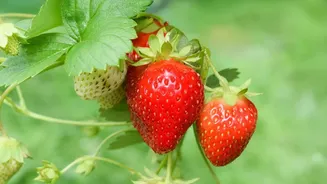
Strawberry plants naturally reproduce by sending out long stems called runners, which will eventually form new 'daughter' plants. While this is useful for propagating new plants in a garden bed, it can be a problem in containers. Each runner drains energy from the mother plant—energy that could be going into producing bigger, juicier berries. To maximise your fruit yield, it's best to snip off these runners as soon as you see them. Use clean scissors and cut the runner close to the base of the main plant. This redirects the plant's resources back into its own growth and, most importantly, into developing a bountiful crop of fruit for you to enjoy.
Care and Maintenance
Once planted, your strawberries will need consistent care. They require at least six to eight hours of direct sunlight per day to produce sweet fruit, so a sunny balcony is ideal. Keep the soil consistently moist but never soggy. Plants in pots tend to dry out faster than those in the ground, so you may need to water daily in warmer weather. Try to water the soil directly to keep the leaves and fruit dry, which helps prevent disease. Feed your plants with a balanced liquid fertiliser every two to three weeks during the growing season to support flowering and fruit production. Finally, remove any old or dead leaves to maintain good airflow and keep your plants tidy and healthy.