



A Sudden Change of Plans
In a post on his social media platform X on November 11, Elon Musk confirmed the new schedule, stating, 'In order to work through more of the Cybertruck order backlog, production will be extended through the end of summer 2027'. This announcement was
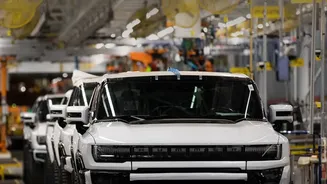
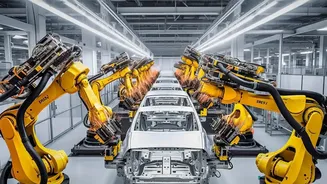
a surprising reversal. Only days earlier, Musk had informed the public that Cybertruck assembly at Gigafactory Texas would cease around the middle of 2027. The original plan was to dismantle the production line to free up space and resources for the company's next big bet: the Cybercab robotaxi. The sudden extension gives Tesla a few extra months to fulfill a backlog of orders that Musk admitted 'far exceeds' the company's production rate.
The Troubled Road to Production
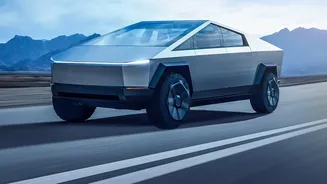
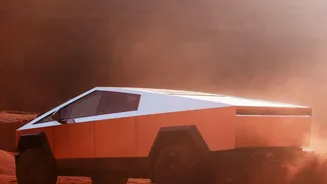
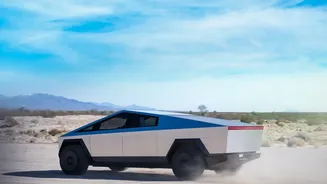
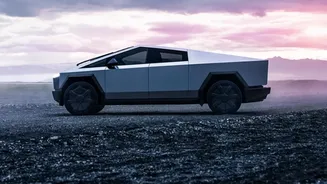
The Cybertruck's journey has been anything but smooth. Unveiled in a dramatic 2019 event, complete with its infamous shattered 'armor glass' demonstration, the truck's radical stainless-steel exoskeleton and futuristic design presented immense manufacturing challenges from the start. The initial production target of late 2021 was repeatedly pushed back, first to 2022 and then to 2023, with Tesla citing supply chain issues and engineering hurdles. The first customer deliveries finally began in November 2023, a full four years after its debut. Even after launching, the vehicle has been plagued by at least 11 safety recalls for issues ranging from faulty accelerator pedals to exterior trim panels detaching at speed.
Why Wind Down Production at All?
The core reason for ending Cybertruck production, even with the extension, remains the same: Tesla is shifting its focus. Musk has stated the decision is not because the truck is unprofitable, but because the 'opportunity cost of the complexity of Cybertruck is vastly outweighed by the value of incremental Cybercab production'. The Cybercab, a steering-wheel-free autonomous vehicle, is central to Tesla's future as a robotics and AI company, not just a carmaker. Despite initial projections of selling up to 250,000 Cybertrucks annually, actual sales have fallen far short, with an estimated 20,237 units sold in the US in 2025. The company plans to repurpose the Cybertruck line to mass-produce the robotaxi.
A Sentimental Decision?
Musk framed the extension as a move driven by more than just profit. 'This is not the smartest move from a profit-maximizing standpoint btw, but there must be some room in this world for sentimentality or what's the point?' he posted on X. While the extension offers a glimmer of hope for some reservation holders, Musk has also been clear that many deposits will have to be returned. This leaves thousands of potential buyers, who placed deposits years ago, in a state of uncertainty. For many, especially in international markets like India where an official launch never materialized, the dream of owning the iconic vehicle is likely over.
The Bigger Picture for Tesla
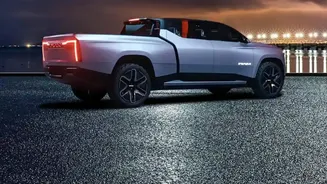
The Cybertruck's story serves as a lesson in the challenges of turning radical design into a mass market reality. Its long delays have allowed competitors like Ford, Rivian, and GM to establish a foothold in the electric truck market. While the Cybertruck captured the world's imagination, its struggles with production, quality control, and regulatory hurdles in markets like Europe have limited its impact. The pivot to the Cybercab signals a major strategic shift for Tesla, betting its future on autonomous mobility over expanding its consumer vehicle line with complex, niche products. The focus is now on delivering a driverless future, leaving the bold but difficult Cybertruck behind.